


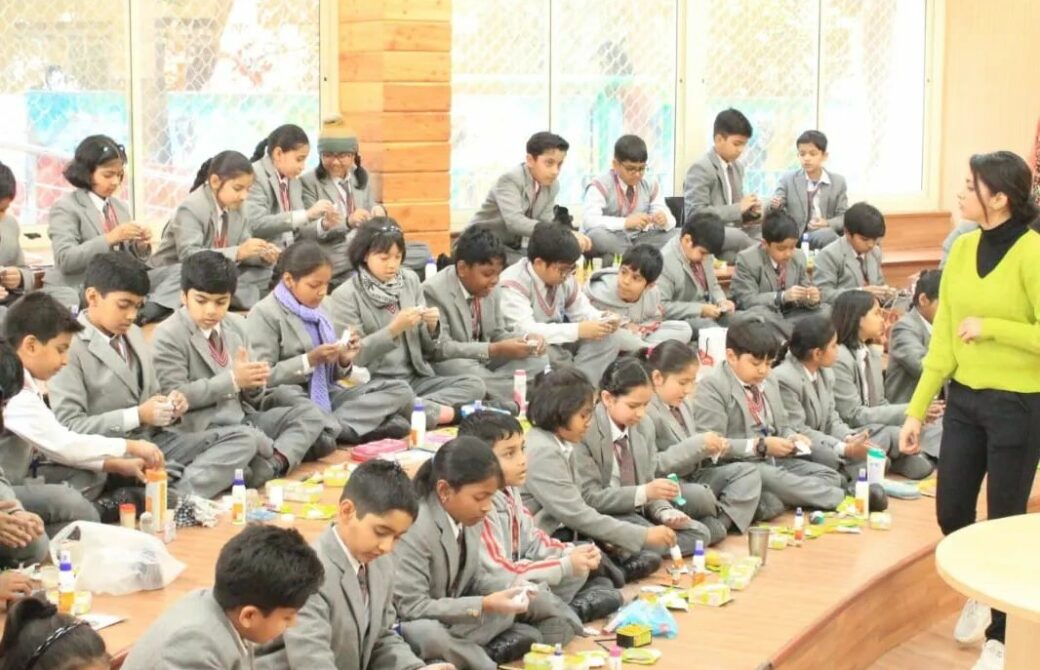


Key Highlights
- Leadership skills are as vital as academics for future success
- Early exposure builds confidence, communication, and decision-making
- Extracurriculars and real-world projects enhance holistic growth
- Programs focus on collaboration, critical thinking, and emotional intelligence
Table of Contents
- Introduction
- About Us
- Why Early Leadership Matters
- How Leadership Programs Shape Young Minds
- Integrating Extracurricular Activities for Holistic Growth
- Academic Performance vs Leadership Development
- Long-Term Benefits of Leadership-Oriented Education
- Conclusion
- FAQs
Introduction:
In today’s dynamic world, academic excellence alone is insufficient for success. At Summer Fields School, the Best Schools in Gurugram where students must be equipped with leadership, critical thinking, collaboration, and problem-solving skills. Leading institutions emphasize a holistic approach, recognizing that confident, proactive leaders are forged through early exposure to structured leadership programs. These initiatives help children develop a strong sense of responsibility, ethical decision-making, and interpersonal skills—traits essential for thriving in both higher education and the professional realm.
About Us:
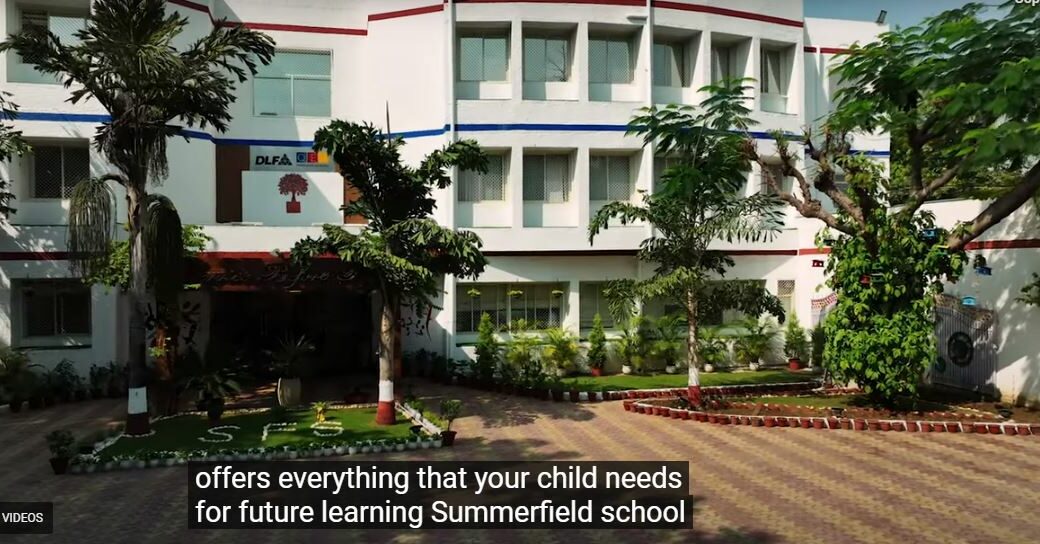
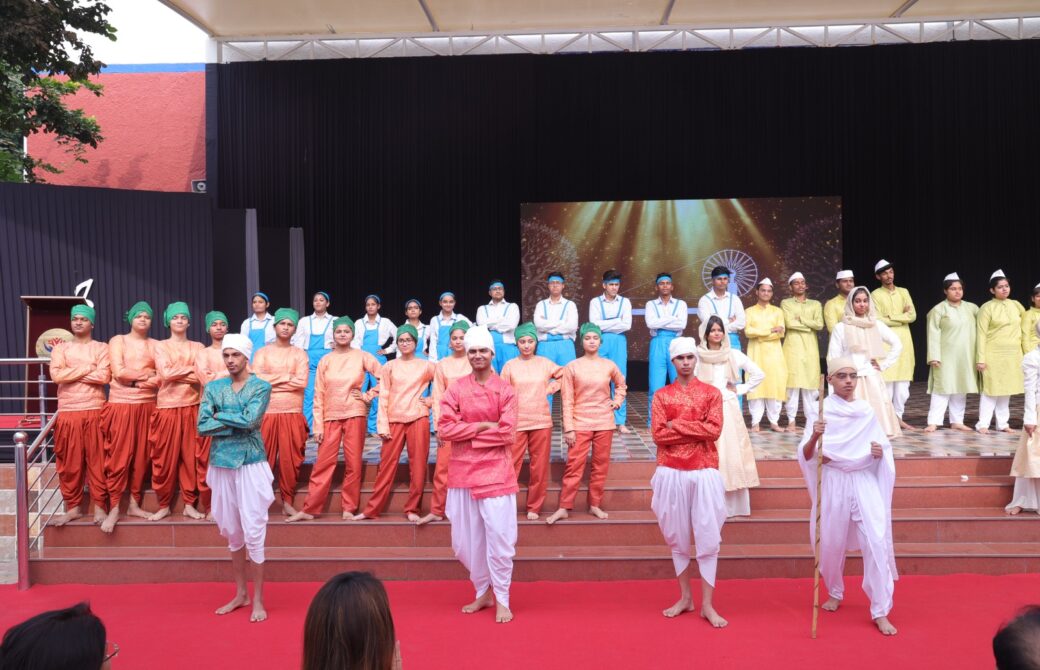
Summer Fields School has long been recognized among the schools for its commitment to holistic development. The institution integrates academic rigor with experiential learning, offering students leadership opportunities through student councils, group projects, and public speaking platforms. Its curriculum emphasizes values, critical thinking, and life skills, ensuring that students grow into empathetic, confident, and forward-thinking leaders.
Why Early Leadership Matters
- Instills Confidence Early: Children learn to voice opinions, take initiative, and embrace challenges.
- Promotes Responsibility: Leadership roles encourage accountability and ethical decision-making.
- Builds Emotional Intelligence: Recognizing emotions in oneself and peers enhances interpersonal relationships.
- Prepares for Real-World Challenges: Early exposure equips students with skills to tackle academic and social challenges effectively.
How Leadership Programs Shape Young Minds
What Activities Foster Leadership in Students?
- Student Councils & Committees: Develop responsibility, planning, and decision-making abilities.
- Group Projects: Encourage collaboration, negotiation, and conflict resolution.
- Public Speaking Platforms: Boost communication skills and self-confidence.
- Problem-Solving Tasks: Teach analytical thinking and creative solutions.
Real-Life Exposure
Summer Fields School incorporates simulations, debates, and mini-projects that mirror real-world scenarios, allowing students to make informed decisions and experience outcomes firsthand.
Integrating Extracurricular Activities for Holistic Growth
Extracurricular engagement is integral to leadership development. Students participate in:
- Sports: Teach teamwork, perseverance, and resilience.
- Arts & Music: Enhance creativity, self-expression, and cultural appreciation.
- Community Service: Cultivate empathy, social responsibility, and civic engagement.
- STEM & Innovation Clubs: Encourage critical thinking, curiosity, and problem-solving.
| Activity Type | Leadership Skills Developed |
| Sports | Teamwork, Resilience |
| Arts & Music | Creativity, Confidence |
| Community Service | Empathy, Initiative |
| STEM Clubs | Analytical Thinking, Innovation |
Academic Performance vs Leadership Development
While academic performance remains important, leadership programs focus on holistic skills that traditional exams cannot measure.
| Aspect | Academic Excellence Focus | Leadership Development Focus |
| Primary Goal | High grades and scores | Confidence and skill-building |
| Learning Approach | Theoretical, exam-oriented | Experiential, real-world tasks |
| Skill Development | Subject knowledge | Communication, teamwork, problem-solving |
| Student Engagement | Limited | High |
| Real-World Readiness | Moderate | Strong |
Long-Term Benefits of Leadership-Oriented Education
- Confidence Building: Students articulate ideas and take initiative naturally.
- Better Decision-Making: Enhances analytical, problem-solving, and planning abilities.
- Enhanced Communication: Improves collaboration, public speaking, and interpersonal skills.
- Adaptability: Prepares students to handle future challenges with resilience.
- Future Success: Equips students with essential skills for higher education and careers .
Conclusion:
By focusing on early leadership programs alongside academics, Summer Fields School ensures students emerge as confident, capable, and adaptable individuals. Parents seeking schools find institutions that prioritize these programs to create a foundation for lifelong success. Leadership skills developed at a young age empower students to navigate uncertainties, embrace challenges, and contribute meaningfully to society.
FAQs:
Q. 1 How does Summer Fields School develop leaders early?
Ans : Through student councils, group projects, and public speaking opportunities that foster confidence and responsibility.
Q. 2 Do leadership programs affect academics at Summer Fields School?
Ans : No—they complement academics by enhancing critical thinking and decision-making skills.
Q. 3 Can younger students benefit from these programs?
Ans : Yes, early exposure builds self-confidence and ethical leadership skills.
Q. 4 What makes Summer Fields School different from other schools in leadership?
Ans : Its structured, student-led programs ensure hands-on, practical learning experiences.
Q. 5 How do these programs prepare students for real-world challenges?
Ans : By simulating real-life scenarios and encouraging problem-solving and teamwork.
Q. 6 Why choose Summer Fields School for leadership development?
Ans : It balances academics and life skills, nurturing confident, future-ready leaders.