


Introduction
The world is changing at unprecedented speed. Technological innovation, global connectivity, and evolving workplace demands create an entirely new landscape for today’s students. Traditional educational approaches focused on memorization and standardized testing no longer adequately prepare young people for success in a rapidly transforming global economy. Future-focused learning represents a paradigm shift in how educators approach curriculum, instruction, and student development. Parents searching for a top 10 school in Gurgaon increasingly recognize that forward-thinking educational institutions offer the preparation their children need to thrive on the global stage.
Future-focused education goes beyond acquiring static knowledge. It develops critical thinking, adaptability, creativity, and global awareness—competencies essential for navigating complex, interconnected worldwide challenges. Students engaged in future-focused learning gain perspective on global issues, understand diverse cultures, and develop the resilience to adapt to unforeseen circumstances. This comprehensive guide explores how forward-thinking schools prepare students for unprecedented global opportunities through innovative, intentional educational approaches.
Understanding Future-Focused Learning
What Defines Future-Focused Education?
Future-focused learning represents an educational philosophy centered on preparing students for lives and careers that don’t yet exist. Rather than teaching to past or current benchmarks, forward-thinking schools anticipate emerging competencies and global demands.
Key characteristics include:
- Emphasis on adaptability and learning how to learn
- Development of critical and creative thinking
- Integration of technology and digital literacy
- Global perspective and cultural understanding
- Collaboration and communication across boundaries
- Problem-solving applied to real-world issues
- Ethical reasoning and responsible citizenship
- Entrepreneurial thinking and innovation
Future-focused schools recognize that specific jobs, industries, and technologies will evolve dramatically during students’ careers. Rather than training for specific roles, education develops foundational capabilities enabling lifelong learning and professional pivoting.
How Future-Focused Learning Differs From Traditional Approaches
Traditional education often operates within predetermined curricula emphasizing established knowledge and skills. Students master content deemed important by previous generations. While foundational knowledge remains valuable, future-focused approaches integrate this knowledge with emerging competencies.
Distinctions include:
Traditional Model:
- Standardized curriculum for all students
- Teacher as primary knowledge source
- Focus on right answers and correct procedures
- Assessment through tests and grades
- Compartmentalized subject learning
- Preparation for known careers
Future-Focused Model:
- Personalized learning pathways
- Student agency in learning direction
- Focus on thinking processes and problem-solving
- Assessment through demonstrated competencies
- Integrated, interdisciplinary projects
- Preparation for unknown future roles
A top 10 school in Gurgaon demonstrates future-focused philosophy through curriculum design, instructional methods, and student opportunities reflecting these principles.
Core Competencies of Future-Focused Learning
Critical and Creative Thinking
The ability to analyze complex problems and generate innovative solutions distinguishes successful professionals. Future-focused schools develop these capabilities through:
- Open-ended projects requiring analysis and synthesis
- Inquiry-based learning prompting student questions
- Exposure to multiple perspectives and approaches
- Encouragement of unconventional thinking
- Failure normalization as learning opportunity
- Design thinking and innovation frameworks
- Debate and perspective-taking activities
Students learn not just what to think but how to think deeply about multifaceted challenges.
Digital Literacy and Technological Fluency
Technology permeates modern life and workplaces. Future-ready students demonstrate:
- Comfort navigating digital tools and platforms
- Ability to evaluate online information critically
- Understanding of cybersecurity and digital responsibility
- Coding and computational thinking basics
- Media creation and digital communication
- Data literacy and interpretation
- Technology ethics and responsible use
Importantly, digital literacy extends beyond technical skills to include understanding technology’s societal impact and ethical implications.
Global Perspective and Cultural Competence
Success in interconnected global economy requires understanding diverse worldviews. Future-focused education cultivates:
- Knowledge of major global issues and challenges
- Understanding of diverse cultures and perspectives
- Appreciation for cultural differences and similarities
- Awareness of global interdependencies
- Ability to communicate across cultural boundaries
- Respect for different values and traditions
- Understanding of international institutions and systems
Students develop genuine curiosity about the world and comfort engaging with people from different backgrounds.
Adaptability and Resilience
Rapid change demands the ability to embrace uncertainty. Forward-thinking schools develop:
- Comfort with ambiguity and complexity
- Resilience when facing obstacles or failure
- Growth mindset believing in development potential
- Self-awareness and metacognitive skills
- Emotional regulation and stress management
- Flexibility in thinking and approach
- Recovery capability after setbacks
These psychological competencies prove essential across life’s unpredictable challenges.
Communication and Collaboration
Professional success increasingly requires teamwork and clear communication. Future-focused schools emphasize:
- Clear, persuasive communication across formats
- Active listening and perspective-taking
- Collaborative problem-solving
- Leadership in diverse team settings
- Conflict resolution and negotiation
- Cross-cultural communication
- Digital communication tools and etiquette
Students practice these skills through group projects, presentations, and peer learning.
Ethical Reasoning and Global Citizenship
Education encompasses developing responsible citizens. Future-focused schools cultivate:
- Understanding of personal values and ethics
- Consideration of multiple perspectives in decisions
- Understanding of social and environmental issues
- Civic engagement and community participation
- Responsibility for global challenges
- Sustainable thinking and environmental awareness
- Justice and fairness consideration
Students develop moral compass guiding decisions throughout their lives.
How Schools Implement Future-Focused Learning
Interdisciplinary Project-Based Learning
Rather than isolated subject instruction, future-focused schools organize learning around authentic challenges. Projects might explore:
- Climate change solutions combining science, economics, and policy
- Global health issues integrating biology, geography, and ethics
- Social justice movements intersecting history, literature, and activism
- Sustainable business models blending entrepreneurship with environmental science
Students apply knowledge across disciplines to understand complex real-world problems deeply.
Global Learning Opportunities
Forward-thinking institutions provide international experiences:
- Virtual connections with peers in different countries
- Study abroad programs and exchanges
- International service learning projects
- Global issue exploration with diverse perspectives
- Language learning integrated throughout curriculum
- Cultural immersion experiences
- Partnerships with international schools
These experiences develop genuine global awareness transcending textbook knowledge.
Personalized Learning Pathways
Recognizing diverse student interests and goals, future-focused schools offer:
- Student choice in projects and learning activities
- Differentiated instruction addressing various learning needs
- Flexible pacing accommodating different speeds
- Interest-based clubs and programs
- Mentoring and career exploration
- Individualized learning plans
- Competency-based progression
Personalization increases engagement while honoring student agency.
Integration of Technology and Innovation
Strategic technology use enhances future-focused learning:
- Coding and computer science curriculum
- Digital creation and media production
- Virtual and augmented reality learning experiences
- Data analysis and computational thinking
- Maker spaces and innovation labs
- Online collaboration tools and platforms
- Learning management systems supporting personalization
Technology serves learning goals rather than existing as isolated subject.
Real-World Problem-Solving
Authentic challenges engage students meaningfully:
- Community partnerships addressing local issues
- Service learning projects creating genuine impact
- Entrepreneurship opportunities developing business ideas
- Environmental restoration and conservation projects
- Social justice initiatives promoting equity
- Research projects contributing to knowledge
- Design challenges solving practical problems
Real-world connection motivates deeper learning and develops confidence.
Benefits of Future-Focused Learning for Global Success
Enhanced Problem-Solving Capabilities
Students accustomed to complex, open-ended challenges develop sophisticated problem-solving. They navigate ambiguity, gather diverse perspectives, and generate creative solutions—essential professional capabilities.
Increased Adaptability and Resilience
Exposure to varied challenges and perspectives develops flexibility. Students comfortable with change and failure maintain confidence amid uncertainty, enabling career transitions and continuous learning.
- Stronger Cross-Cultural Communication : Global awareness and international experience develop comfort collaborating across differences. This cultural competence becomes invaluable in increasingly multicultural workplaces.
- Greater Intrinsic Motivation : Learning connected to personal interests and real-world impact engages students more deeply. This intrinsic motivation sustains learning beyond grades or external rewards.
- Preparation for Unknown Futures : While specific career paths remain unpredictable, developing foundational competencies and learning agility prepares students for diverse professional trajectories.
- Enhanced Competitive Advantage : Employers consistently seek candidates with critical thinking, collaboration, communication, and adaptability. Future-focused education directly develops these sought-after competencies.
Summer Fields School, Gurugram: Exemplifying Future-Focused Excellence
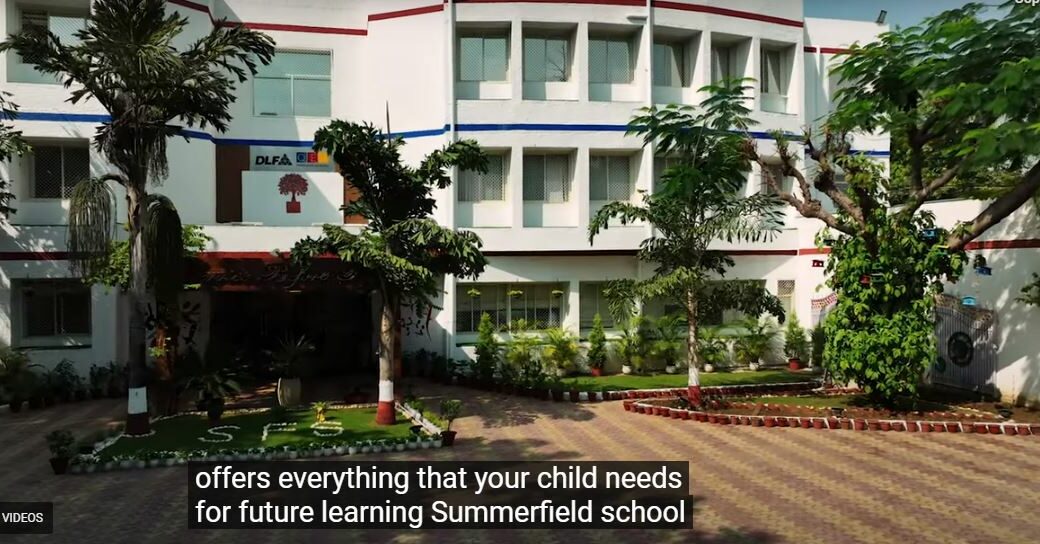
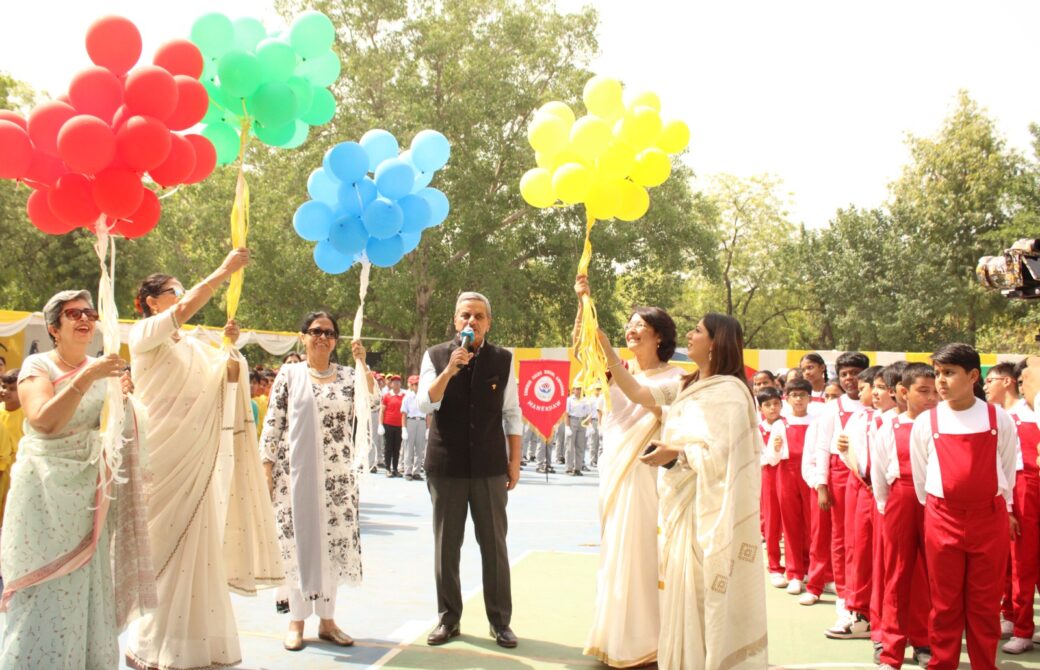
When evaluating educational institutions, examining how schools approach future-focused learning provides crucial insight. Summer Fields School, Gurugram demonstrates commitment to forward-thinking education through innovative curricula, global partnerships, and student-centered approaches.
Quality institutions serious about future-focused learning demonstrate:
- Explicit focus on developing twenty-first century competencies
- Project-based and experiential learning opportunities
- Integration of technology throughout instruction
- Global connections and international partnerships
- Student choice and personalization in learning
- Real-world problem-solving projects
- Interdisciplinary curriculum design
- Assessment focusing on demonstrated competencies
Identifying Future-Focused Schools: What to Observe
Questions to Ask About Educational Approach
Investigate schools’ future-focus through specific questions:
Curriculum and Instruction:
- How does the school balance foundational knowledge with emerging competencies?
- What percentage of learning involves project-based approaches?
- How does curriculum incorporate technology and innovation?
- Are subjects integrated around themes or real-world issues?
- How do students demonstrate learning beyond traditional tests?
Global Connections:
- What international partnerships or programs exist?
- How is global perspective incorporated throughout curriculum?
- What language learning opportunities are available?
- Are diverse cultural perspectives represented in materials?
- What study abroad or exchange programs operate?
Student Agency and Personalization:
- How much choice do students have in learning activities?
- Are personalized learning plans developed for students?
- How are different learning styles and interests accommodated?
- What mentoring and career exploration happens?
- How do students voice input into school decisions?
Technology Integration:
- What technology infrastructure exists?
- Is coding or computer science taught?
- How are digital tools integrated into learning?
- What maker spaces or innovation labs are available?
- How is digital citizenship and responsibility taught?
Real-World Connections:
- What community partnerships and projects exist?
- Are students engaged in authentic service learning?
- What entrepreneurship opportunities are available?
- How do students tackle real-world problems?
- What research or innovation projects happen?
What Future-Focused Schools Look Like
During school visits, observe:
- Active student engagement and questioning
- Displays of projects and student work
- Technology integrated throughout classrooms
- Diverse materials reflecting global perspectives
- Student leadership and voice in school
- Flexible learning spaces supporting collaboration
- Visible connections to real-world issues
- Guest speakers and community partners
Warning Signs of Limited Future-Focus
Be cautious if schools:
- Emphasize standardized testing above all
- Show minimal technology integration
- Maintain rigid, traditional subject compartmentalization
- Provide limited student choice or personalization
- Display limited cultural diversity
- Lack community partnerships or service learning
- Show no evidence of global perspective
- Discourage questions or creative thinking
Preparing Your Child for Global Success
Supporting Future-Focused Learning at Home
Parents amplify school efforts through:
- Encouraging curiosity and questioning
- Exposing children to diverse perspectives and cultures
- Supporting technology competency development
- Discussing global issues age-appropriately
- Celebrating creative thinking and problem-solving
- Encouraging service and community engagement
- Discussing careers and professional possibilities
- Modeling adaptability and learning from challenges
Seeking Enrichment Opportunities
Beyond school, students benefit from:
- Language learning and cultural exploration
- Online courses in emerging fields
- Summer programs and camps focused on innovation
- Volunteer work and service learning
- Travel and international experiences
- Mentoring from professionals
- Participation in competitions or projects
- Reading widely about global issues
Conclusion
Future-focused learning represents education’s essential evolution. As global challenges grow more complex and technological change accelerates, students need preparation extending beyond traditional academics. When selecting educational institutions, prioritizing a top 10 school in Gurgaon that genuinely embraces future-focused learning positions your child for success in an unpredictable world.
Look for schools demonstrating commitment to developing critical thinking, global perspective, adaptability, collaboration, and ethical reasoning. Investigate curriculum design, global connections, student choice, and real-world engagement. Speak with students, teachers, and parents about authentic experiences with future-focused approaches. Your intentional selection of a top 10 school in Gurgaon aligned with forward-thinking principles will profoundly influence your child’s readiness for global opportunities.
Act now. Request information about future-focused initiatives from schools you’re considering. Schedule visits observing real classrooms and student engagement. Ask specific questions about how schools develop twenty-first century competencies. Connect with current families about their children’s experiences with innovative learning. Make your school decision based on commitment to preparing globally-minded, adaptable, capable learners. Your child’s future success in our interconnected world depends on the quality of preparation they receive today.
Frequently Asked Questions
Q. 1 What exactly does “future-focused learning” mean, and how does it differ from regular education?
Ans : Future-focused learning prepares students for an uncertain future by developing adaptability, critical thinking, and problem-solving rather than just memorizing predetermined content. Traditional education emphasizes established knowledge and skills, while future-focused approaches develop learning agility and competencies needed for careers and challenges that don’t yet exist. Future-focused schools teach students how to learn continuously and think creatively about new problems rather than training them for specific known roles.
Q. 2 Will future-focused learning disadvantage my child in standardized testing or college admissions?
Ans : No. Research demonstrates that students from innovative, future-focused schools typically perform well on standardized tests because they develop strong foundational skills and critical thinking abilities. Additionally, colleges increasingly value well-rounded students with demonstrated engagement, leadership, and real-world project experience. A top 10 school in Gurgaon balances emerging competencies with strong academics, ensuring students excel across measures while gaining advantage through broader capabilities.
Q. 3 How can a top 10 school in Gurgaon ensure global learning when not all students travel internationally?
Ans : Quality schools create global learning experiences through multiple pathways. Virtual partnerships with international schools, online collaborations with peers worldwide, cultural immersion through literature and media, language learning, visiting professionals and speakers, and carefully designed curriculum exploring global issues all develop global perspective without requiring international travel. Study abroad programs supplement these experiences for interested students.
Q. 4 Are future-focused approaches appropriate for younger elementary students, or only secondary?
Ans : Future-focused principles apply across all educational levels. Young children benefit from inquiry-based learning, problem-solving, creativity, and exposure to diverse perspectives. As students mature, approaches become more sophisticated while maintaining the same philosophy. A top 10 school in Gurgaon implements age-appropriate future-focused strategies from kindergarten through secondary levels, building capabilities progressively.
Q. 5 How can parents support future-focused learning at home without expertise in innovative teaching methods?
Ans : Parents don’t need specialized expertise. Support happens through asking questions encouraging thinking (“What would happen if…?” “How might you solve that?”), exposing children to diverse ideas and cultures, encouraging creativity and experimentation, discussing current events and global issues, and modeling curiosity and continuous learning. Simple conversations about problems and possibilities, encouragement of trying new things, and genuine interest in your child’s learning journey powerfully complement school efforts.