







Introduction
Education extends far beyond classroom walls and school hours. The most significant predictor of student success isn’t test scores or facility quality alone—it’s the strength of collaboration between parents and schools. When parents and educators work together as genuine partners, students thrive academically, emotionally, and socially. If you’re searching for a good school in Gurgaon, understanding the critical importance of parent-school partnerships should influence your decision profoundly.
Research spanning decades consistently demonstrates that students whose parents actively engage in education perform better across all measurable outcomes. These students achieve higher grades, demonstrate improved attendance, develop stronger behavioral patterns, and maintain greater motivation toward learning. The collaborative approach creates a unified support system where home and school reinforce consistent values, expectations, and strategies. This comprehensive guide explores why parent-school collaboration matters and how to identify a good school in Gurgaon that genuinely values partnership.
Understanding Parent-School Collaboration
Defining Effective Partnership
Parent-school collaboration transcends traditional parent-teacher conferences held twice yearly. Authentic partnership involves:
- Regular, meaningful communication in both directions
- Shared decision-making about educational approaches
- Mutual respect for each party’s expertise and perspective
- Transparent information sharing about student progress
- Coordinated strategies addressing challenges
- Joint celebration of achievements
- Collaborative problem-solving when issues arise
- Consistent reinforcement of school values at home
This genuine partnership acknowledges that parents are the primary educators and primary adults in their children’s lives. Schools provide specialized expertise and structured learning environments. When both parties recognize their complementary roles and work strategically together, synergy emerges that benefits students dramatically.
The Partnership Beyond Academics
While academic support is important, collaboration extends further. Effective partnerships address:
- Behavioral expectations and discipline approaches
- Social-emotional development and character building
- Health and wellness practices
- Extracurricular engagement and talent development
- College and career preparation
- Mental health and well-being support
- Communication and conflict resolution skills
A good school in Gurgaon recognizes that student development encompasses these dimensions simultaneously, requiring coordinated family-school effort.
Research Demonstrating Collaboration’s Impact
Academic Achievement Outcomes
Extensive educational research provides compelling evidence about parent involvement’s academic impact:
- Students with involved parents earn higher grades across subjects
- Reading and mathematics achievement increases significantly with parental engagement
- Students demonstrate improved academic persistence and reduced procrastination
- Higher standardized test performance correlates with parent involvement
- Graduation rates improve substantially when families actively participate
- College enrollment and completion rates increase with parental engagement
These results hold true across socioeconomic levels, ethnic backgrounds, and geographic regions. The consistency demonstrates that collaboration is universally beneficial, not limited to particular populations.
Behavioral and Attendance Benefits
Beyond academics, parent-school collaboration dramatically improves school behavior and attendance:
- Discipline referrals and suspensions decrease significantly
- School attendance improves with parental support and monitoring
- Students demonstrate better classroom behavior and compliance
- Bullying and social conflicts reduce with coordinated responses
- Students develop stronger self-regulation and responsibility
- Motivation and engagement in learning increase noticeably
These behavioral improvements create better learning environments for all students, not just those with involved parents.
Long-term Life Success
The benefits of parent-school collaboration extend throughout students’ lives:
- Higher college and university enrollment rates
- Improved career outcomes and earning potential
- Stronger social and relationship skills
- Enhanced physical and mental health outcomes
- Greater civic engagement and community participation
- Increased life satisfaction and well-being
- More stable family relationships in adulthood
Students experiencing strong parent-school collaboration develop capabilities and resilience supporting success throughout their lives.
Why Schools Benefit From Strong Partnerships
Enhanced Understanding of Student Needs
Parents possess crucial knowledge about their children that teachers cannot observe in school environments. This includes:
- Learning preferences and academic strengths
- Challenges, fears, and anxiety triggers
- Family circumstances affecting emotional state
- Health conditions requiring accommodation
- Personality traits and behavioral patterns
- Interests and passions worth cultivating
- Sibling dynamics and family relationships
When parents share this information regularly, teachers design more effective, personalized instruction. Understanding individual student contexts enables educators to provide more relevant feedback and targeted support.
Reinforcement of School Values at Home
Educational values and behavioral expectations mean little when inconsistent between settings. Collaborative schools ensure:
- Parents understand school academic and behavioral standards
- Families reinforce these expectations at home
- Consistent discipline approaches exist across settings
- Academic skills receive practice beyond classroom
- Character education values align with family teachings
- Communication norms remain consistent
This consistency creates powerful behavioral and academic change. Students internalize values more deeply when experiencing unified messaging.
Increased Parental Buy-in and Support
When parents genuinely participate in educational decisions, they develop ownership and commitment to school success. This manifests through:
- Stronger advocacy for school resources and policies
- Greater volunteer involvement and contribution
- Enhanced willingness to support school fundraising
- More active participation in school events and activities
- Increased patience during school transitions or challenges
- Stronger emotional investment in school community
This grassroots support strengthens schools’ overall functioning and culture.
Professional Insights and Resources
Parents bring diverse expertise, professional skills, and community connections benefiting schools. Collaborative environments leverage these resources through:
- Guest speakers sharing professional knowledge
- Volunteers assisting with programs and events
- Mentoring programs connecting students with professionals
- Resources and expertise for special projects
- Community partnerships and connections
- Financial and material contributions
- Advocacy and political support when needed
Schools recognizing parents as valuable contributors access tremendous resources.
Benefits for Parents in Collaborative Relationships
Informed Decision-Making About Education
When schools communicate transparently, parents understand their child’s academic progress, strengths, challenges, and learning needs. This enables:
- Informed choices about academic placement and programming
- Appropriate support and intervention for struggles
- Identification of gifted or special needs requiring different approaches
- Realistic goal-setting aligned with capabilities
- Timely intervention preventing academic failure
- Better preparation for transitions and testing
Parents armed with accurate information make better decisions supporting their children’s education.
Consistent Support and Reinforcement
Collaborating schools help parents understand how to support learning at home. This includes:
- Specific academic skills to practice
- Behavioral strategies aligned with school approaches
- Resources for addressing particular challenges
- Ways to maintain motivation and engagement
- Connection between academics and home life
- Preparation for upcoming transitions
This guidance enables parents to be more effective educators at home.
Reduced Stress and Anxiety
When communication is open and parents feel heard, stress decreases dramatically. Parents experience:
- Clear understanding of what’s happening educationally
- Confidence in school’s commitment to their child
- Quick problem resolution when issues arise
- Emotional support from school community
- Reduced worry about academic progress
- Greater sense of control and partnership
This emotional benefit extends to children, who sense parental confidence in the school.
Community Connection and Support
Active parent-school relationships create community bonds providing:
- Friendship and social connection
- Practical support from other families
- Shared resources and information
- Common goals and values
- Sense of belonging and inclusion
- Extended support network for families
These community connections strengthen families’ overall well-being.
Characteristics of Schools Prioritizing Parent-School Collaboration
Communication Excellence
Quality schools establish multiple, accessible communication channels:
- Regular written updates about classroom activities and progress
- Frequent individual communication about specific students
- Accessible leadership open to parent contact
- Clear protocols for addressing concerns
- Multiple languages represented when necessary
- Technology-based systems for convenient information sharing
- Annual surveys soliciting parent feedback and ideas
Communication should be proactive, specific, and two-directional rather than one-way reporting.
Meaningful Parent Involvement Opportunities
Beyond bake sales and fundraising, collaborative schools offer:
- Decision-making participation in school committees
- Input into curriculum and educational approaches
- Volunteer opportunities matching parent interests and skills
- Parent education workshops addressing real needs
- Mentoring and tutoring opportunities
- Participation in student learning activities
- Leadership roles in school governance
Opportunities should be flexible, inclusive, and genuinely impactful.
Transparent Policies and Expectations
Clear communication about school operations includes:
- Published academic standards and grading policies
- Behavioral expectations and discipline procedures
- Assessment and testing information
- Special education and accommodations processes
- Diversity and inclusion initiatives
- Financial policies and funding sources
- Long-term school goals and strategic direction
Transparency builds trust and enables parents to support school values effectively.
Responsive Problem-Solving
When issues arise, collaborative schools demonstrate:
- Prompt response to parental concerns
- Willingness to listen and consider alternative perspectives
- Collaborative approach to problem-solving
- Clear resolution processes and timelines
- Follow-up ensuring solutions remain effective
- Appreciation for parent insights and suggestions
- Fair treatment of all families
This responsiveness demonstrates genuine partnership and commitment to student success.
Inclusive Community Culture
Effective schools intentionally build welcoming cultures:
- Cultural diversity represented in staff and curriculum
- Multiple languages and communication methods
- Inclusive language and practices
- Welcoming physical environment
- Events scheduled considering family schedules
- Recognition of various family structures
- Active inclusion of families from all backgrounds
Inclusive environments enable all families to participate fully.
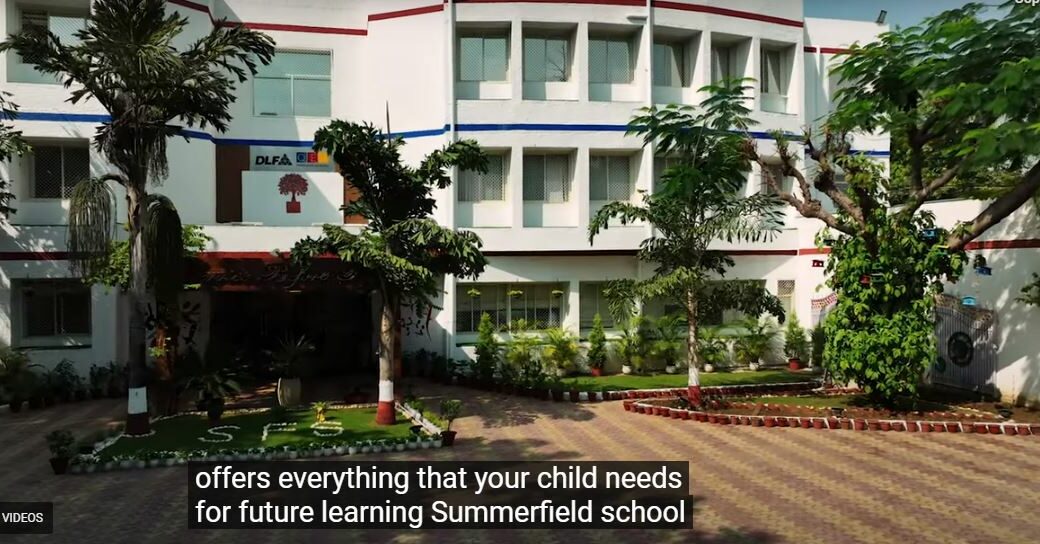
Summer Fields School, Gurugram: Exemplifying Parent-School Partnership
When evaluating educational options, examining how schools approach parent engagement provides crucial insight into institutional values. Summer Fields School, Gurugram demonstrates commitment to parent-school collaboration through structured communication, meaningful involvement opportunities, and transparent partnerships.
Quality institutions serious about collaboration demonstrate:
- Dedicated positions coordinating parent involvement
- Regular parent workshops and learning opportunities
- Multiple channels for parent input and feedback
- Visible parent presence on campus
- Parent representation in decision-making structures
- Clear communication about educational approaches
- Celebration of parent contributions
- Regular surveys measuring parent satisfaction
Identifying a Good School in Gurgaon Through Partnership Quality
Questions to Ask During School Evaluation
Investigate parent-school collaboration by asking:
Communication Practices:
- How frequently do teachers communicate with parents?
- What communication methods are available?
- How promptly do schools respond to parent concerns?
- What information is shared about student progress?
- Are parents provided data on academics, behavior, and growth?
Parent Involvement Opportunities:
- What volunteer opportunities exist?
- Can parents participate in decision-making?
- Are there parent workshops or learning opportunities?
- How does the school celebrate parent contributions?
- What flexibility exists for working parents?
Problem-Solving Processes:
- What steps occur when concerns arise?
- Who can parents contact with questions?
- How are disputes handled fairly?
- Are parents included in solutions?
- What timeline exists for resolution?
Inclusivity and Diversity:
- Do communications reach all families?
- Are events scheduled accessibly?
- Is cultural diversity reflected in staff and curriculum?
- Are multiple languages supported?
- Are families with various structures welcomed?
Parent Feedback:
- What do current parents report about communication?
- How welcomed do parents feel?
- Are parents satisfied with collaboration?
- Do parents feel heard and valued?
- Would parents recommend the school?
What Strong Collaboration Looks Like
During school visits, observe:
- Welcoming, organized front office
- Visible parent volunteers and participation
- Parent communications posted or available
- Diverse representation in displayed student work
- Staff seeming connected to families
- Accessible leadership and teachers
- Inclusive messaging and imagery
- Student-created work reflecting diverse backgrounds
Red Flags Indicating Weak Collaboration
Be cautious if schools:
- Provide minimal communication about progress
- Discourage parent questions or input
- Lack transparent policies or procedures
- Show resistance to parent involvement
- Have defensive responses to concerns
- Demonstrate limited diversity
- Appear unwelcoming to families
- Lack clear problem-resolution processes
Building Stronger Collaboration as a Parent
Taking Initiative in Partnership
While schools must establish structures, parents initiate collaboration through:
- Regular communication with teachers and administrators
- Attendance at school events and meetings
- Volunteer contributions matching available time
- Input into school decisions when opportunities exist
- Support for school policies and values
- Positive feedback and appreciation
- Constructive addressing of concerns
- Reinforcement of school lessons at home
Parents demonstrating commitment often inspire reciprocal school engagement.
Supporting School Values at Home
Effective parents reinforce school education through:
- Regular homework support and review
- Discussions about school experiences
- Modeling of valued behaviors and attitudes
- Maintaining consistent discipline approaches
- Supporting school policies and expectations
- Participation in learning activities
- Encouraging positive peer relationships
- Addressing concerning behaviors promptly
This home reinforcement multiplies school’s impact.
Communicating Effectively
Strong collaboration requires clear communication:
- Specific questions and observations rather than generalizations
- Professional, respectful tone
- Focus on student benefit rather than personal frustration
- Willingness to listen to school perspective
- Collaborative problem-solving approach
- Follow-through on agreements
- Appreciation for teachers’ efforts
Good communication transforms potential conflicts into productive partnerships.
Conclusion
The strength of parent-school collaboration stands as perhaps the single most important factor influencing student success. Students thrive academically, behaviorally, and emotionally when parents and educators work together strategically. When selecting a good school in Gurgaon, prioritize institutions demonstrating genuine commitment to meaningful partnership.
Evaluate schools not just on facilities or reputation but on how they approach parent engagement. Look for schools with transparent communication, meaningful parent involvement opportunities, responsive problem-solving, and welcoming, inclusive cultures. Visit classrooms. Speak with current parents. Ask specific questions about collaboration. Your careful assessment of partnership quality will guide you toward a good school in Gurgaon that truly values family involvement.
Take action today. Schedule school visits. Prepare your questions about parent engagement and communication. Connect with current parents about their experiences. Request information about parent involvement opportunities. Ask how the school handles parent concerns and problem-solving. Make your decision based on partnership quality alongside academic factors. Choosing a school that genuinely partners with parents positions your child for exceptional success throughout their educational journey and beyond.
Frequently Asked Questions
Q. 1 How much parent involvement is too much? Can parents be overinvolved?
Ans : Balance matters. Healthy involvement means staying informed, supporting learning, and collaborating with schools—without micromanaging or undermining teacher authority. Teachers need autonomy to teach effectively. Good schools provide guidance about appropriate involvement levels. The goal is partnership where each party respects the other’s expertise and decision-making authority within their domain.
Q. 2 What if my work schedule prevents frequent school involvement?
Ans : Quality schools recognize families have diverse circumstances and provide flexible involvement options. Even limited communication, attending occasional events, and reinforcing learning at home constitute meaningful involvement. Many schools offer evening or weekend options, virtual participation, or home-based volunteering. Communicate your constraints to schools; collaborative ones adapt to accommodate.
Q. 3 How do schools handle parents who disagree with educational approaches?
Ans : Disagreements arise; collaborative schools address them constructively. Process typically involves listening to parent concerns, explaining school rationale, considering parent perspectives, and working toward solutions honoring both viewpoints when possible. If irreconcilable differences exist, schools should have clear processes and may recommend alternative educational settings. Respect and openness characterize productive disagreement.
Q. 4 Should parents help with homework every night?
Ans : Research suggests balance. Parents should monitor homework, create supportive conditions, and provide some guidance. However, excessive parental involvement prevents student independence and masks learning gaps. Teachers should understand homework challenges. If homework consistently requires extensive parental help, discuss with teachers whether assignments match student capability or whether additional support is needed.
Q. 5 How can I address concerns about my child without damaging the teacher relationship?
Ans : Start with the teacher directly, privately, and respectfully. Describe specific observations rather than accusations. Listen to the teacher’s perspective. Assume positive intent. Focus on student benefit. Use collaborative language: “I’ve noticed… Can we work together on…?” rather than accusatory: “You never…” Most concerns resolve through respectful conversation. Only escalate to administration if teacher involvement isn’t productive.