




Introduction
Education has transformed significantly over the past decade. Today’s parents and educators recognize that academic excellence alone doesn’t prepare students for success in an increasingly complex world. Holistic learning approaches have emerged as the gold standard for developing well-rounded individuals. If you’re searching for the best school in Gurgaon, understanding how holistic education shapes future-ready students is essential. This comprehensive guide explores the multifaceted benefits of holistic learning and why it matters for your child’s development.
Holistic education extends far beyond traditional textbook learning. It integrates physical health, emotional intelligence, social skills, and creative thinking alongside academic subjects. Schools that embrace this philosophy recognize that each student is a unique individual with distinct strengths, weaknesses, and learning styles. By addressing the whole person, these institutions cultivate resilient, adaptable learners prepared for whatever challenges lie ahead.
What Is Holistic Learning?
Understanding the Holistic Education Framework
Holistic learning is an educational philosophy that treats students as complete human beings rather than mere repositories for academic information. This approach considers:
- Intellectual development: Critical thinking and problem-solving abilities
- Physical wellness: Regular exercise and healthy lifestyle habits
- Emotional growth: Self-awareness and emotional regulation
- Social skills: Collaboration, communication, and leadership
- Creative expression: Artistic and innovative thinking
- Character development: Ethical values and moral reasoning
Unlike traditional education systems that prioritize standardized test scores, holistic schools integrate these elements into a cohesive learning experience. Students engage in activities that stimulate multiple areas of development simultaneously.
How Holistic Learning Differs From Conventional Education
Traditional schooling often operates under a compartmentalized model where subjects exist in isolation. Mathematics, science, history, and literature are taught separately without meaningful connections. Holistic education dismantles these barriers.
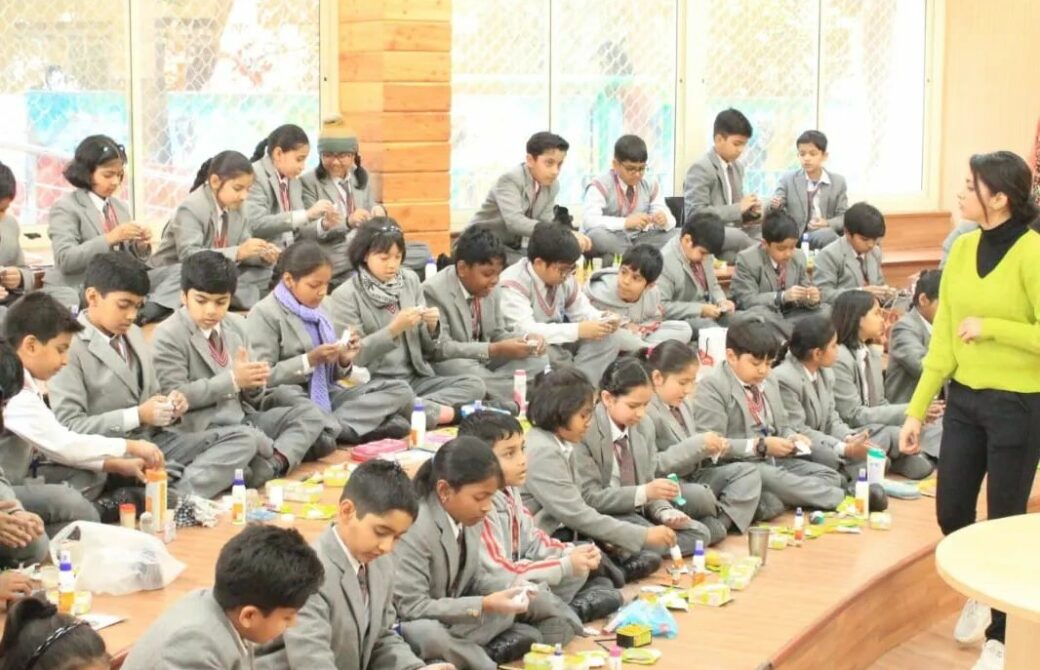
The best school in Gurgaon incorporating holistic principles creates interdisciplinary projects where students apply knowledge across subjects. A history project might involve research writing (language arts), data analysis (mathematics), and presentations (communication). This integrated approach mirrors real-world problem-solving, where success requires diverse skill sets.
The Five Pillars of Holistic Learning
Pillar 1: Academic Excellence
Rigorous academics form the foundation of quality education. However, holistic institutions maintain that comprehensive learning requires more than strong grades.
Curriculum design emphasizes:
- Deep understanding over rote memorization
- Application of concepts to real-world scenarios
- Development of research and analytical skills
- Encouragement of intellectual curiosity
Teachers employ diverse instructional strategies to reach learners with different learning preferences. This personalized approach ensures every student can access challenging content at an appropriate level.
Pillar 2: Social-Emotional Development
Students spend substantial time in school environments, making emotional well-being fundamental to academic success. Holistic education prioritizes:
- Building healthy relationships with peers and teachers
- Managing stress and developing resilience
- Practicing empathy and understanding diverse perspectives
- Developing conflict resolution skills
- Cultivating self-confidence and positive self-image
Schools implementing strong social-emotional learning programs report improved attendance, reduced behavioral issues, and enhanced student satisfaction. Students learn to navigate interpersonal challenges with maturity and thoughtfulness.
Pillar 3: Physical Health and Wellness
A healthy body supports a healthy mind. The best school in Gurgaon recognizes that physical activity is non-negotiable for student development.
Comprehensive wellness programs include:
- Regular physical education classes beyond traditional sports
- Access to diverse activities: yoga, swimming, martial arts, dance, outdoor exploration
- Nutrition education and healthy eating practices
- Sleep hygiene awareness
- Mental health support services
Physical activity isn’t merely about fitness; it enhances cognitive function, improves concentration, and reduces anxiety. Students who engage regularly in physical activities demonstrate better academic performance and emotional regulation.
Pillar 4: Creative and Artistic Expression
Creativity fuels innovation and helps students discover their passions. Holistic learning creates space for artistic development through:
- Visual arts programs (painting, sculpture, digital design)
- Performing arts (theater, music, dance)
- Creative writing and storytelling
- Media literacy and content creation
- Design thinking workshops
These programs aren’t supplementary additions; they’re integral to the curriculum. Research demonstrates that students engaged in creative pursuits develop enhanced problem-solving abilities, increased confidence, and stronger neural connections supporting academic learning.
Pillar 5: Character and Leadership Development
Education ultimately prepares students for citizenship and meaningful contribution to society. Character education emphasizes:
- Integrity, honesty, and ethical decision-making
- Responsibility and accountability
- Leadership skills and collaborative teamwork
- Service learning and community engagement
- Global awareness and cultural understanding
Through these experiences, students develop the moral compass and interpersonal skills necessary for positive impact in their communities.
Benefits of Holistic Learning for Future Success
- Enhanced Critical Thinking and Problem-Solving : Students educated through holistic approaches develop superior analytical abilities. By encountering problems from multiple perspectives and applying diverse knowledge domains, they become adaptable thinkers. This skill proves invaluable in higher education and professional environments where complex challenges require innovative solutions.
- Improved Mental Health and Resilience : The pressure of conventional education often takes a psychological toll. Holistic schools deliberately cultivate supportive environments where students feel valued as whole people. This approach significantly reduces anxiety, depression, and academic stress. Students develop healthy coping mechanisms and bounce back from setbacks with greater resilience.
- Better Preparation for Career Success : Employers consistently report that technical skills alone are insufficient. They seek employees with strong communication abilities, teamwork capabilities, emotional intelligence, and adaptability. Holistic education directly addresses these employer-valued competencies. Graduates emerge prepared for diverse career paths with well-developed soft skills.
- Increased Student Engagement and Motivation : When learning connects to student interests and real-world applications, motivation soars. Holistic education honors diverse interests and learning styles, ensuring more students find genuine engagement with their studies. This intrinsic motivation sustains learning beyond the classroom.
- Development of Global Consciousness : Holistic schools emphasize understanding diverse perspectives and global interconnectedness. Students explore cultural differences with respect and curiosity. This global consciousness prepares them for functioning effectively in an increasingly international, multicultural world.
Summer Fields School Gurugram: Exemplifying Holistic Excellence
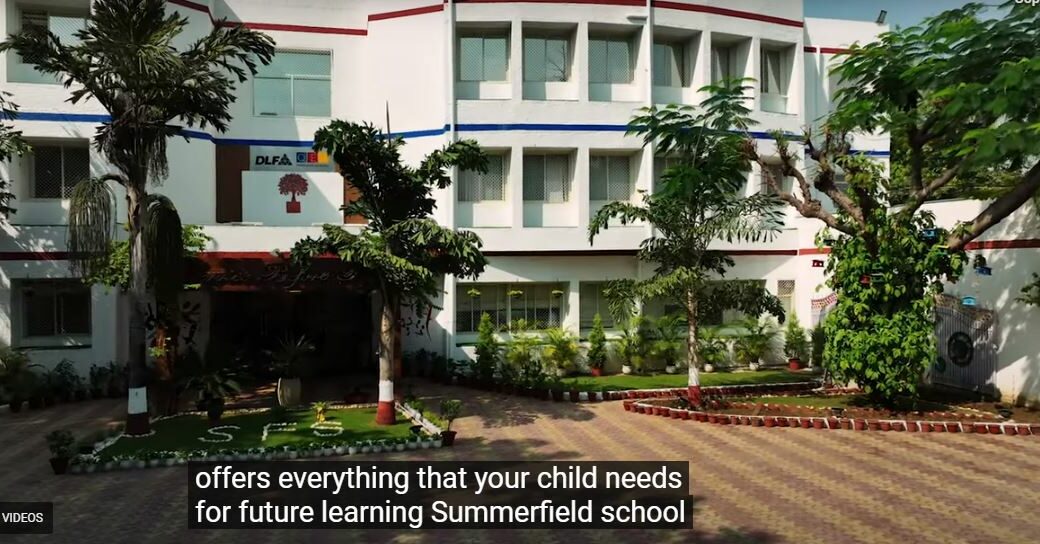
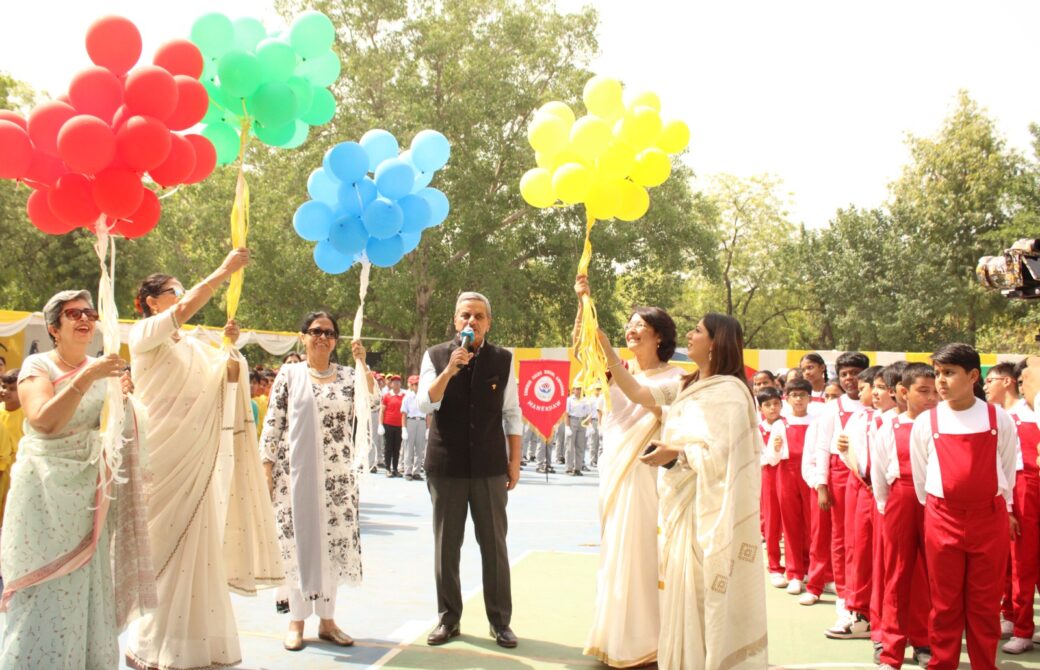
Finding quality education aligned with holistic principles requires examining institutions’ actual practices and values. Summer Fields School Gurugram represents a notable example of an institution committed to developing future-ready students through comprehensive, integrated learning experiences.
Such schools demonstrate commitment to holistic education through:
- Faculty professional development focused on integrated teaching strategies
- Facilities supporting diverse activities and learning modalities
- Regular assessment of student well-being alongside academic progress
- Strong community engagement and parent partnerships
- Transparent communication about educational philosophy and outcomes
Identifying Holistic Learning at School Selection
When evaluating educational options, look beyond rankings and facilities. Consider:
Educational Philosophy: Request the school’s mission statement and curriculum documents. Does philosophy explicitly address whole-person development?
Classroom Environment: Visit classrooms. Do teachers interact supportively with students? Is the environment welcoming and organized?
Student Well-being Programs: Inquire about mental health support, physical activities, and social-emotional curricula.
Extracurricular Opportunities: Quality schools offer diverse clubs, sports, and creative programs accessible to most students.
Teacher Qualifications: Investigate faculty credentials and ongoing professional development.
Student Outcomes: Ask about graduate destinations, college placements, and student feedback.
Community Feedback: Connect with current parents and alumni about genuine school experiences.
Challenges and Considerations
Implementing holistic education requires significant resources and commitment. Schools must invest in:
- Qualified faculty with diverse expertise
- Comprehensive facilities and equipment
- Time for interdisciplinary planning
- Professional development for staff
- Mental health professionals and counselors
Additionally, standardized testing pressures sometimes conflict with holistic philosophies. Progressive schools must balance accountability requirements with comprehensive student development.
The Future of Education
Educational research increasingly validates holistic approaches. Studies demonstrate that students educated through comprehensive frameworks outperform peers in academic achievement, personal satisfaction, and life outcomes. As the professional landscape evolves and technological disruption accelerates, skills like creativity, collaboration, and emotional intelligence become increasingly valuable.
The best school in Gurgaon will be one that recognizes education’s true purpose: developing capable, compassionate, resilient individuals prepared to navigate an uncertain future successfully. Holistic learning isn’t a luxury; it’s increasingly essential.
Conclusion
Choosing the right educational environment profoundly influences your child’s development and future success. Holistic learning approaches offer a compelling alternative to traditional, test-focused education. By nurturing intellectual, emotional, physical, social, and creative development, holistic schools cultivate future-ready students equipped for life’s complexities.
If you’re searching for the Top schools in Gurgaon, prioritize institutions demonstrating genuine commitment to whole-person education. Look for evidence of integrated curricula, supportive environments, diverse opportunities, and authentic concern for student well-being alongside academic achievement.
Your child deserves an education that honors their unique potential and prepares them comprehensively for success. Investigate schools in your area, ask critical questions, and select an institution whose values align with your family’s beliefs about education’s true purpose. The investment in quality, holistic education yields returns throughout your child’s life.
Frequently Asked Questions
Q. 1 At what age should children begin holistic learning?
Ans : Holistic education principles apply across all grade levels. Early childhood benefits from play-based, integrated learning. As students progress, holistic approaches become more sophisticated but maintain the same comprehensive philosophy. The best school in Gurgaon will implement age-appropriate holistic strategies from kindergarten through secondary levels.
Q. 2 How do holistic schools address standardized testing?
Ans : Quality holistic institutions recognize standardized testing’s role while refusing to allow it to dominate curriculum. They teach test-taking skills within a broader context of comprehensive education. Students typically perform well on standardized measures because holistic education develops strong foundational skills and critical thinking abilities.
Q. 3 Will holistic education disadvantage my child in competitive college admissions?
Ans : Quite the opposite. Colleges increasingly value well-rounded applicants with demonstrated strengths beyond academics. Students from holistic schools often present compelling applications featuring strong academics combined with genuine passions, leadership experience, and meaningful community involvement.
Q. 4 How do I know if my child is thriving in a holistic learning environment?
Ans : Look for indicators including genuine enthusiasm for learning, improved emotional well-being, developing friendships, confidence in tackling challenges, creative expression, and balanced stress levels. Regular communication with teachers provides insights into your child’s holistic development.
Q. 5 Are holistic schools more expensive than traditional schools?
Ans : Holistic education requires investment in facilities, trained faculty, and diverse programs. Some holistic schools charge higher tuition, though this isn’t universally true. Many excellent holistic public schools exist. Evaluate costs against genuine educational value and your family’s financial situation.
Q. 6 Can I support holistic learning at home?
Ans : Absolutely. Encourage diverse experiences including sports, arts, volunteer work, and unstructured play. Prioritize emotional conversation alongside academics. Limit screen time and support healthy lifestyle habits. Your consistent reinforcement of holistic values significantly impacts your child’s development.