





Key Highlights
- STEM education encourages curiosity, creativity and problem-solving abilities from an early age.
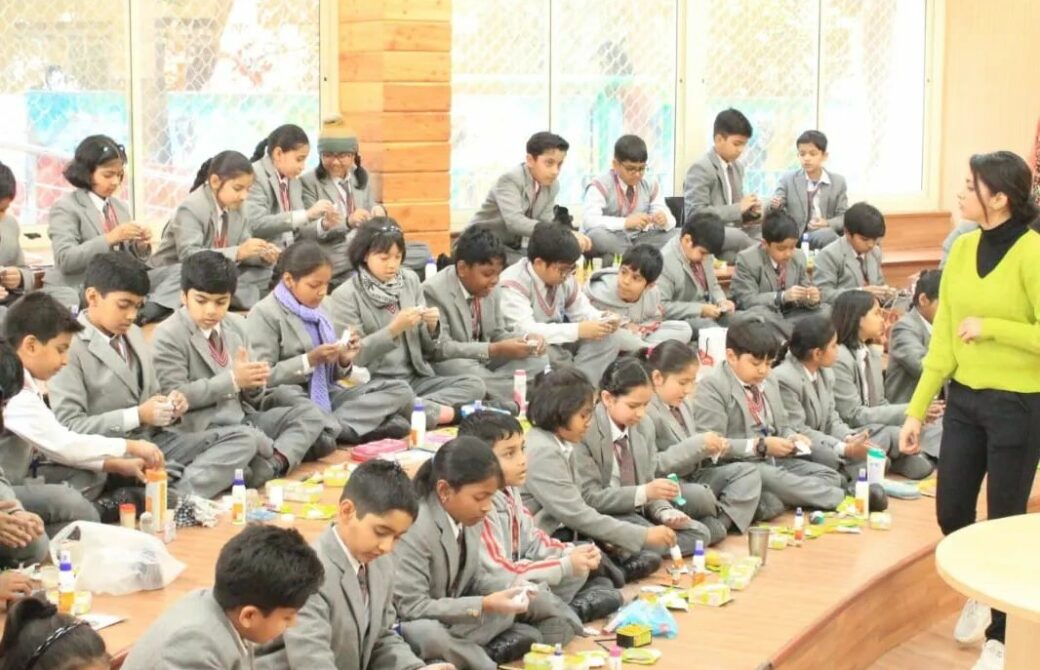
- Hands-on activities help children understand concepts through exploration and experimentation.
- Science, Technology, Engineering and Mathematics develop logical thinking and innovation skills.
- Early STEM exposure prepares students for future academic and career opportunities.
- Experiential learning approaches are becoming an important feature among the top schools in Gurugram.
- A balanced STEM curriculum supports overall development beyond traditional classroom learning.
Table of Contents
- Introduction
- About Us
- Why Is STEM Learning Important in Early Education?
- How Does STEM Education Encourage Curiosity Among Young Learners?
- How Does STEM Learning Develop Creativity and Problem-Solving Skills?
- How Do STEM Activities Prepare Students for the Future?
- STEM Learning Impact Chart
- Conclusion
- FAQs
Introduction
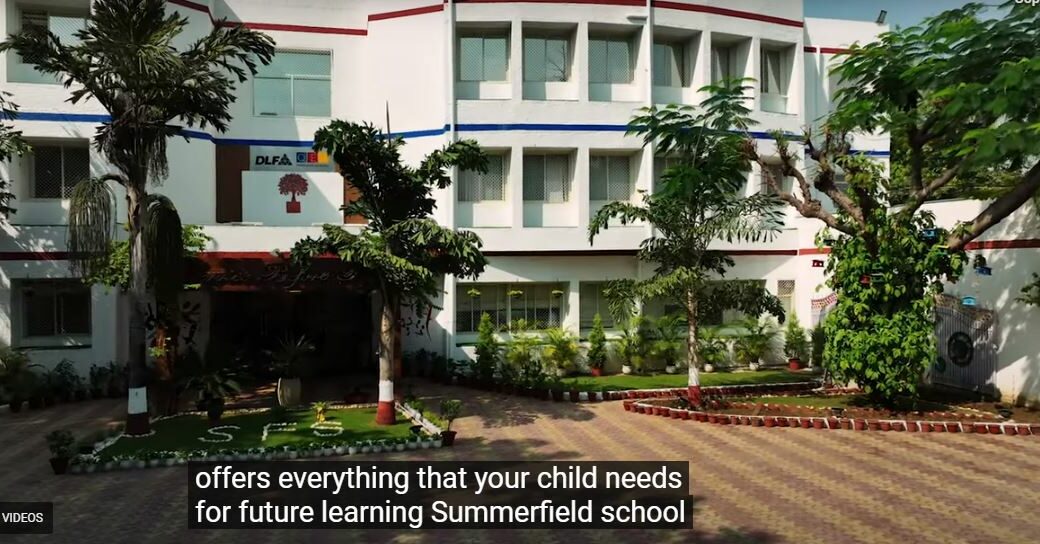
Early childhood is a crucial stage when children naturally explore, question and experiment with the world around them. At Summer Fields School, the way students learn at Top Schools in Gurgaon during the formative years plays an important role in shaping their thinking abilities, creativity and confidence. STEM learning, which combines Science, Technology, Engineering and Mathematics, provides young learners with opportunities to discover concepts through practical experiences rather than only memorising information.
About Us
Summer Fields School follows a student-centred educational approach that focuses on academic excellence, character development and overall growth. The institution believes that meaningful learning happens when students are encouraged to think independently, ask questions and connect classroom concepts with real-life experiences. Through innovative teaching methods and a supportive environment, the school aims to prepare learners with essential skills for a changing world.
Why Is STEM Learning Important in Early Education?
STEM education introduces children to the process of discovering answers rather than simply receiving information. At an early age, students are naturally curious and eager to understand how things work. STEM activities channel this curiosity into structured learning experiences.
STEM learning helps young students by:
- Developing logical thinking and reasoning abilities.
- Encouraging children to ask questions and find solutions.
- Connecting classroom concepts with everyday situations.
- Building confidence through experimentation.
- Improving observation and analytical skills.
For example, creating a simple structure using building blocks introduces basic engineering concepts, while observing plant growth helps children understand scientific processes. These activities make learning enjoyable and meaningful.
How Does STEM Education Encourage Curiosity Among Young Learners?
Curiosity is the foundation of innovation. STEM learning creates opportunities where students are encouraged to explore, investigate and discover answers independently. Instead of focusing only on correct answers, STEM activities encourage children to understand the process behind solutions.
STEM-based learning promotes curiosity through:
- Hands-on experiments and practical activities.
- Interactive science and mathematics challenges.
- Exploration-based classroom discussions.
- Real-world problem-solving tasks.
- Opportunities to test ideas and learn from mistakes.
When children experiment and observe results, they develop confidence in their own thinking abilities. This approach helps them become active learners who are willing to explore new concepts.
How Does STEM Learning Develop Creativity and Problem-Solving Skills?
Creativity is not limited to art or imagination; it is also an important part of innovation and decision-making. STEM education combines logical reasoning with creative thinking, allowing students to develop unique solutions to different challenges.
STEM activities improve creativity and problem-solving by:
- Encouraging multiple solutions to a single problem.
- Helping students design and build new ideas.
- Developing teamwork through group projects.
- Teaching children to analyse challenges step-by-step.
- Promoting innovation through experimentation.
For instance, designing a model bridge or creating a simple machine allows children to apply scientific concepts while using creativity. Such activities help students understand that learning is not just about knowing facts but also about applying knowledge.
How Do STEM Activities Prepare Students for the Future?
The modern world requires individuals who can adapt, innovate and solve complex problems. Early exposure to STEM concepts helps students develop skills that are valuable across different fields.
STEM learning prepares students by developing:
| Skill Area | How STEM Supports Development |
| Critical Thinking | Encourages analysis and logical reasoning |
| Creativity | Helps students design innovative solutions |
| Collaboration | Builds teamwork through projects |
| Communication | Encourages sharing ideas and explanations |
| Digital Awareness | Introduces responsible use of technology |
These abilities help students become confident learners who are prepared for future academic challenges and evolving career opportunities.
STEM Learning Impact Chart
| Learning Aspect | Traditional Learning | STEM-Based Learning | Student Benefit |
| Concept Understanding | Reading-based learning | Activity-based exploration | Better clarity |
| Problem Solving | Limited practice | Real-world challenges | Stronger reasoning skills |
| Creativity | Fixed answers | Multiple approaches | Improved innovation |
| Participation | Teacher-led lessons | Interactive activities | Higher engagement |
| Learning Experience | Memorisation focused | Experiment-focused | Long-term retention |
Conclusion
STEM learning in early education plays an important role in developing curious, creative and confident learners. By encouraging exploration, experimentation and practical understanding, STEM activities help children build skills that go beyond traditional academics. They learn how to think, question, create and solve problems effectively.
FAQs
Q. 1 How does Summer Fields School introduce STEM learning compared to other schools?
Ans : Summer Fields School focuses on practical and activity-based learning, while many schools follow only textbook-based approaches.
Q. 2 Why should parents compare STEM facilities while selecting a school?
Ans : STEM facilities help parents understand how effectively a school develops creativity and problem-solving skills.
Q. 3 Is Summer Fields School among the top schools in Gurugram for STEM-based learning?
Ans : The school focuses on innovative teaching methods that support curiosity, exploration and overall development.
Q. 4 How does STEM learning benefit students at Summer Fields School?
Ans : STEM activities help students develop logical thinking, creativity and confidence through practical experiences.
Q. 5 Can STEM education replace traditional learning methods at Summer Fields School?
Ans : No, STEM complements traditional academics by adding experimentation and real-world application.
Q. 6 How does Summer Fields School compare with other schools offering STEM education?
Ans : The school balances STEM learning with academic knowledge, values and holistic development for students.