






Key Highlights
- Student-led initiatives empower young environmental ambassadors
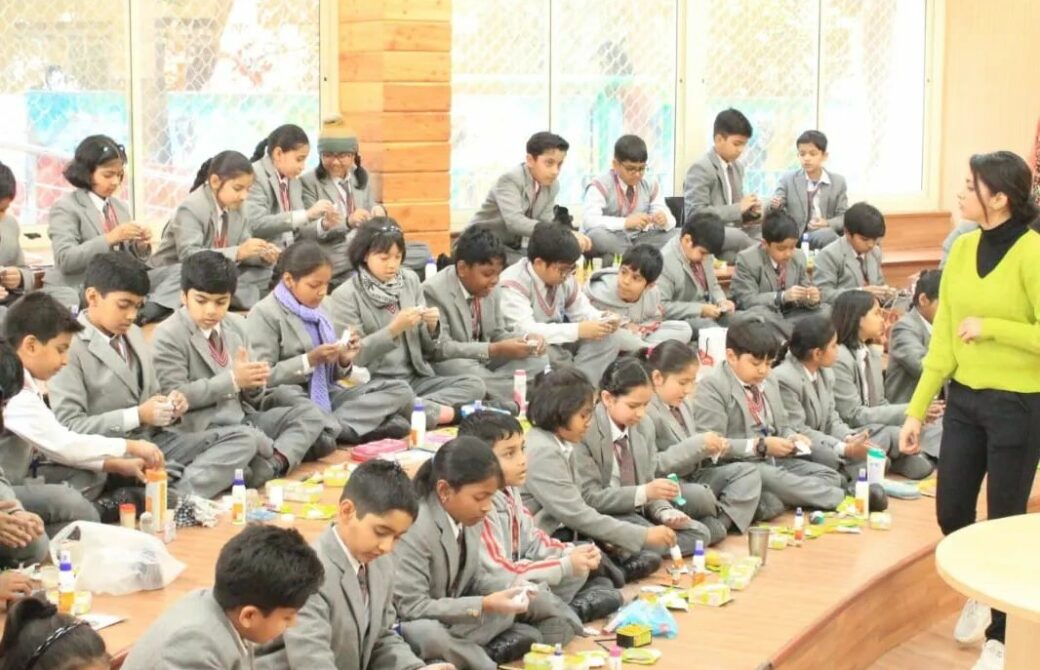
- Hands-on activities reinforce eco-conscious behavior and sustainability
- Programs include waste management, tree planting, and energy conservation
- Integration of academics and real-world projects enhances awareness
Table of Contents
- Introduction
- About Us
- Why Environmental Awareness Matters in Schools
- How Student-Led Initiatives Foster Eco-Consciousness
- Examples of Effective Student-Led Programs
- Impact of Environmental Projects on Learning and Community
- Long-Term Benefits for Students and Society
- Conclusion
- FAQs
Introduction:
Environmental awareness has become an essential aspect of modern education. At Summer Fields School Gurugram, the Good Schools in Gurgaon where in an era marked by climate change, urbanization, and resource depletion, schools play a pivotal role in shaping the next generation’s attitude towards the planet. Institutions that integrate sustainability into their learning culture empower students to become responsible citizens and proactive problem-solvers.
About Us:
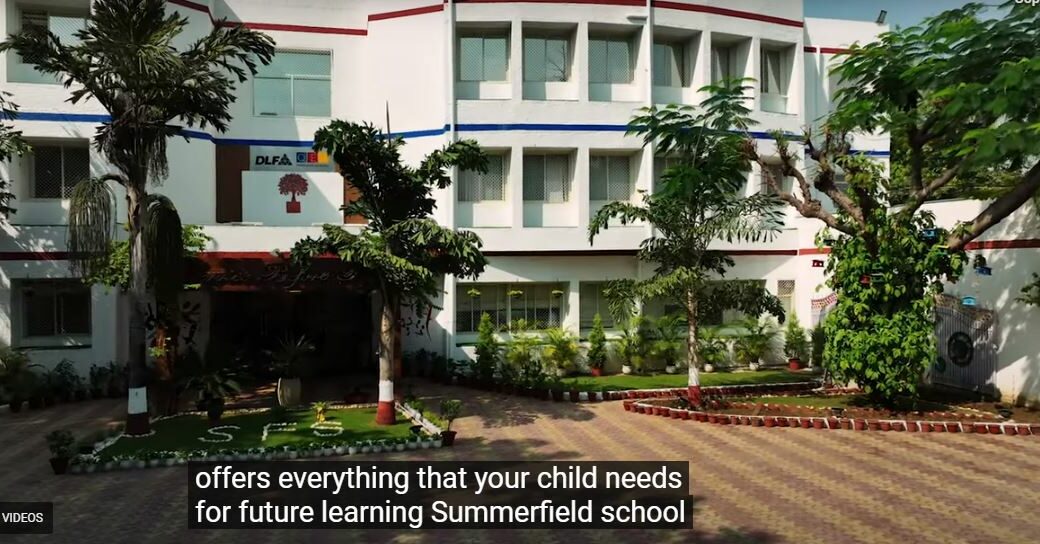
Summer Fields School is renowned for nurturing socially responsible and environmentally conscious students. Recognized among the leading schools, the institution integrates sustainability into its curriculum and extracurricular activities. Students are actively encouraged to lead green initiatives, participate in environmental clubs, and collaborate with local communities on conservation projects. The school’s holistic approach ensures that learners gain both knowledge and actionable skills, preparing them to make meaningful contributions to environmental sustainability.
Why Environmental Awareness Matters in Schools
- Instills Responsibility: Students develop a personal connection with nature and learn that their actions impact the planet.
- Supports Academic Learning: Environmental projects reinforce subjects like science, geography, and social studies.
- Cultivates Critical Thinking: Hands-on problem-solving encourages creative solutions for real-world ecological challenges.
- Promotes Community Engagement: Students inspire peers and families to adopt sustainable habits.
How Student-Led Initiatives Foster Eco-Consciousness
What Makes Student Leadership Effective in Environmental Projects?
- Ownership and Initiative: Students plan, execute, and monitor projects themselves, boosting accountability.
- Teamwork and Collaboration: Working in groups teaches negotiation, delegation, and mutual support.
- Awareness Through Action: Engaging directly with activities like tree planting or recycling drives reinforces learning.
- Integration Across Curriculum: Environmental lessons connect with science, art, and social studies, making sustainability tangible.
Real-Life Exposure
Programs often involve visits to local recycling centers, nature reserves, and sustainable farms. This exposure allows students to witness environmental processes firsthand, linking classroom knowledge to practical outcomes.
Examples of Effective Student-Led Programs
- Waste Management Drives: Students organize campaigns for segregation, composting, and reducing single-use plastics.
- Tree Planting and Gardening: Eco-clubs lead planting initiatives, maintain school gardens, and monitor biodiversity.
- Energy Conservation Projects: Monitoring electricity usage and promoting renewable energy awareness reduces the school’s carbon footprint.
- Awareness Campaigns: Students design posters, social media campaigns, and workshops to educate peers and the community.
| Initiative Type | Skills Developed | Community Impact |
| Waste Management | Responsibility, Critical Thinking | Reduced litter, cleaner campus |
| Tree Planting & Gardening | Teamwork, Planning, Patience | Enhanced greenery, biodiversity |
| Energy Conservation | Analytical Thinking, Advocacy | Lower energy consumption |
| Awareness Campaigns | Communication, Creativity | Spread eco-conscious culture |
Impact of Environmental Projects on Learning and Community
Student-led initiatives create measurable outcomes:
- Improved understanding of ecological systems and sustainability principles.
- Development of leadership, public speaking, and collaborative skills.
- Creation of a culture of responsibility, inspiring other schools and local communities.
Long-Term Benefits for Students and Society
- Enhanced Civic Engagement: Students develop a lifelong commitment to social responsibility.
- Career and Academic Advantages: Exposure to environmental projects fosters interest in STEM, policy-making, and sustainable innovation.
- Behavioral Change: Early involvement encourages eco-friendly habits such as recycling, conservation, and conscious consumption.
- Community Awareness: Students act as change agents, influencing families, neighborhoods, and peers toward sustainable practices.
Conclusion:
Promoting environmental awareness through student-led initiatives equips learners with knowledge, skills, and a sense of responsibility essential for sustainable living. Summer Fields School demonstrates that empowering students to lead eco-projects not only strengthens academic and life skills but also creates a ripple effect of environmental stewardship in the community. Parents seeking schools should prioritize institutions that combine academic excellence with hands-on sustainability programs to prepare children for a responsible, impactful future.
FAQs:
Q. 1 How does Summer Fields School encourage environmental responsibility?
Ans : Students lead tree planting, recycling drives, and sustainability campaigns.
Q. 2 Do eco-projects enhance learning at Summer Fields School?
Ans : Yes, hands-on projects reinforce science, social studies, and critical thinking.
Q. 3 Can younger students participate in sustainability initiatives?
Ans : Absolutely—age-appropriate projects build lifelong eco-conscious habits.
Q. 4 How is Summer Fields School different from other schools in environmental learning?
Ans : Its student-led approach empowers learners to take initiative and drive real change.
Q. 5 What impact do these initiatives have on the community?
Ans : Students inspire peers and families to adopt sustainable practices.
Q. 6 Why choose Summer Fields School for environmental programs?
Ans : It combines academics with actionable eco-learning for a responsible future generation.