

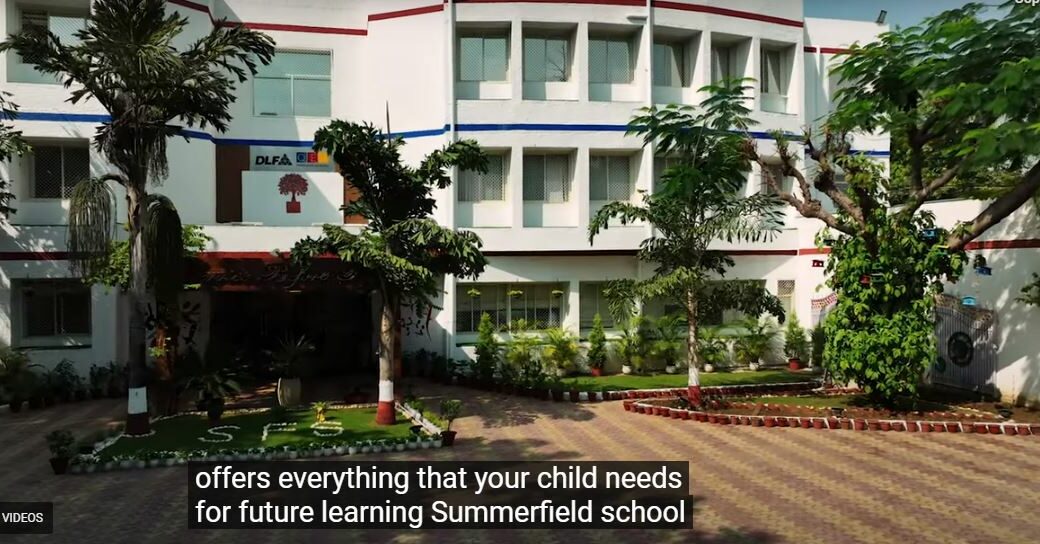






Introduction:
A child’s education is most effective when both parents and schools work together toward a common goal. While schools provide structured learning, guidance, and opportunities for growth, parents play an equally important role in reinforcing those values at home. When this partnership is strong, students are more likely to achieve academic success, develop confidence, and build essential life skills. At Summer Fields School, this is why many families searching for the Top 10 Schools in Gurugram prioritize institutions that actively encourage parent-school collaboration.
About Us:
Summer Fields School strongly believes that meaningful collaboration between parents and educators plays a vital role in a child’s overall development. Through regular parent-teacher interactions, workshops, and school events, the institution ensures transparent communication and shared responsibility in guiding students. Along with academic excellence, the school offers opportunities in sports, arts, cultural activities, and leadership programs that contribute to holistic growth. Parents are encouraged to actively engage in school initiatives, creating a strong support system that motivates students to perform better, develop positive values, and achieve success in both academics and life.
Creating a Consistent Learning Environment
One of the biggest benefits of parent-school collaboration is the consistency it creates in a child’s learning journey. When teachers and parents communicate regularly, they can ensure that students receive consistent guidance both at school and at home.
For example, if a student is learning certain study habits or values in the classroom, parents can reinforce those same practices at home. This alignment helps children understand expectations clearly and encourages them to stay focused on their academic goals.
Parents who actively engage with educators also gain a deeper understanding of their child’s strengths, interests, and areas that require improvement. This allows them to provide better support and encouragement outside the classroom.
Strengthening Academic Performance
Students perform better academically when their parents take an active interest in their education. Simple actions such as discussing school activities, monitoring assignments, and encouraging regular study habits can significantly improve a child’s motivation.
Teachers, on the other hand, can share valuable insights about the student’s progress, learning style, and classroom behavior. This exchange of information helps parents understand how they can support their child’s academic development more effectively.
Supporting Emotional and Social Development
Academic success alone is not enough for a child’s overall growth. Emotional well-being and social skills play a vital role in shaping confident and resilient individuals.
When parents and educators collaborate, they can better understand the emotional needs of students. Teachers may notice behavioral changes or challenges in the classroom, while parents may observe different aspects of the child’s personality at home.
By sharing these observations, both sides can work together to provide guidance and support. This cooperative approach helps students develop emotional resilience, empathy, and healthy relationships with peers.
Encouraging Responsibility and Discipline
A strong partnership between parents and schools also helps reinforce discipline and responsibility. When children see that both their parents and teachers are working together, they understand that their education is important and that they are accountable for their actions.
Clear communication about expectations—such as completing assignments, respecting school rules, and maintaining positive behavior—helps students develop a sense of responsibility.
Parents who stay involved in school activities and academic progress also send a powerful message to their children: education is a priority and a shared commitment.
Building a Supportive Community
Collaboration between parents and schools contributes to the creation of a supportive and inclusive educational community. School events, cultural programs, workshops, and volunteer opportunities allow families to participate actively in the learning environment.
These interactions strengthen the bond between families, teachers, and students. They create a positive atmosphere where everyone works together to support the development of young learners.
Conclusion:
Parent-school collaboration is a powerful factor in shaping a child’s academic and personal growth. When families and educators communicate openly and support one another, they create a nurturing environment where students can flourish.
Ultimately, when parents and schools work together as partners in education, they lay the foundation for lifelong learning, confidence, and success for every child.
FAQs:
Q. 1 Why is parent-school collaboration important?
Ans : It ensures consistent guidance, support, and encouragement for students.
Q. 2 How does collaboration improve academic performance?
Ans : Parents can reinforce study habits and learning strategies at home.
Q. 3 Why do Top 10 Schools in Gurugram encourage parent involvement?
Ans : Engaged parents contribute to stronger learning outcomes and student confidence.
Q. 4 What are common ways schools involve parents?
Ans : Parent-teacher meetings, workshops, school events, and academic updates.
Q. 5 How does Summer Fields School engage parents in education?
Ans : Summer Fields School encourages active participation through meetings, events, and collaborative initiatives.
Q. 6 Can parent involvement improve a child’s confidence?
Ans : Yes, students feel supported and motivated when parents stay involved.