



Introduction:
At Summer Fields School, education has evolved significantly over the years. Traditional classroom models that focused mainly on lectures and memorization are gradually being replaced by more engaging and interactive learning methods. Among these approaches, student-centered teaching has emerged as one of the most effective strategies for improving learning outcomes. This is why many parents searching for Good Schools in Gurugram prioritize institutions that adopt student-focused teaching methods to nurture curiosity, confidence, and academic excellence.
About Us:
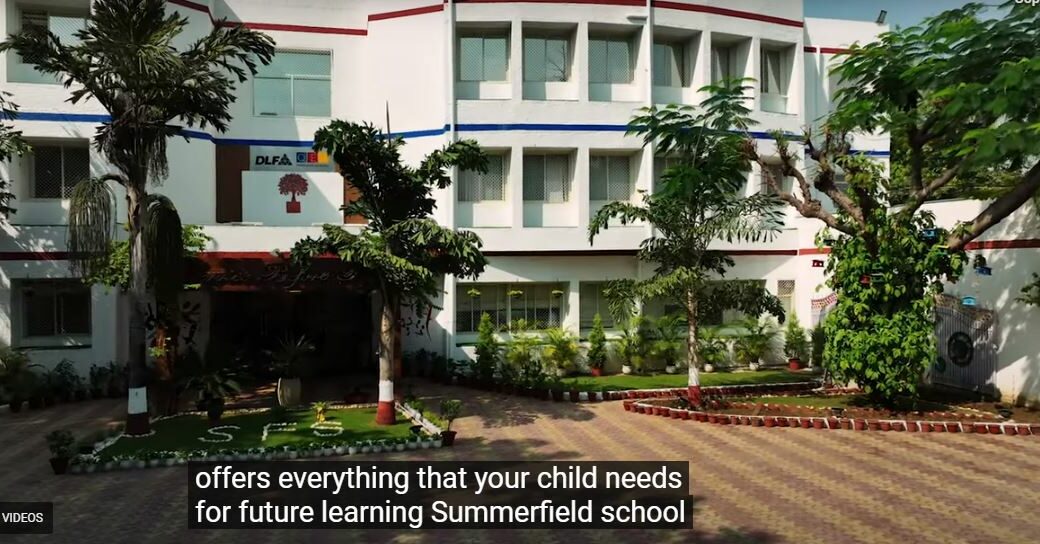
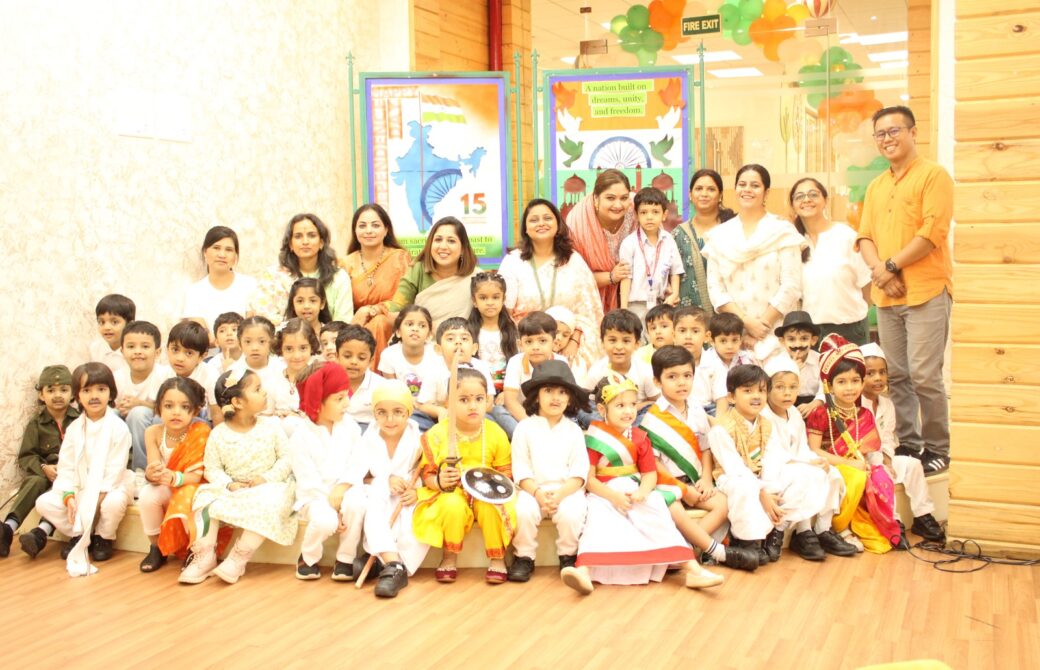
Summer Fields School believes in a student-centered approach where learning is interactive, engaging, and tailored to the needs of each learner. Teachers act as mentors who encourage inquiry, collaboration, and creative thinking through discussions, projects, and activity-based learning. The school provides modern infrastructure, including well-equipped labs, libraries, and sports facilities that support experiential education. Students are also encouraged to participate in clubs, competitions, cultural events, and sports activities that help them explore their talents and interests. This supportive environment helps learners build confidence, independence, and a strong sense of responsibility.
Encouraging Active Participation in Learning
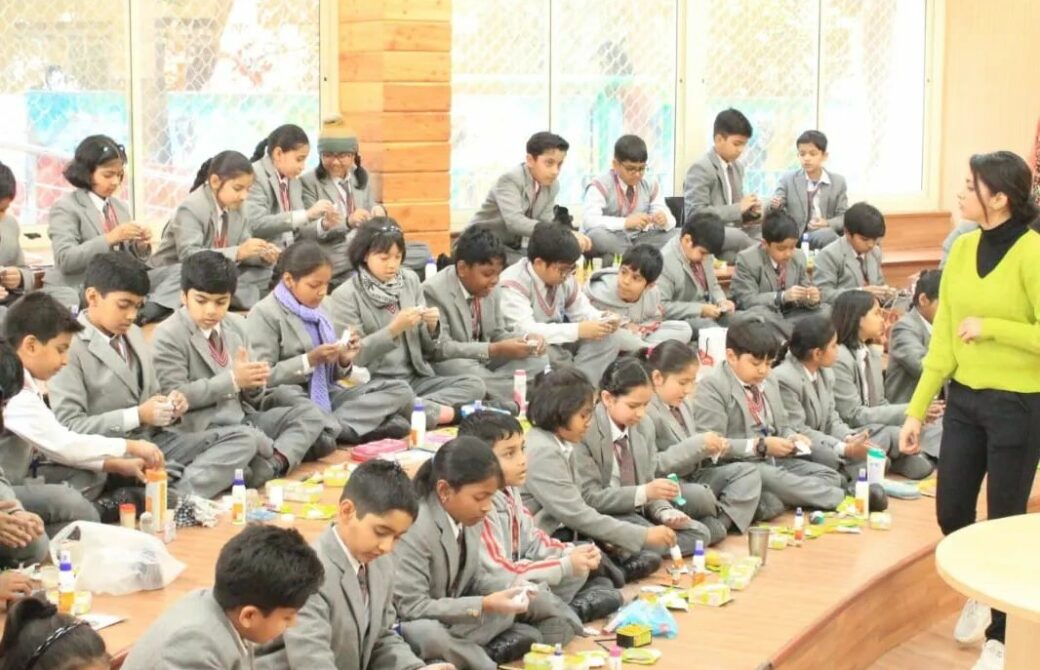
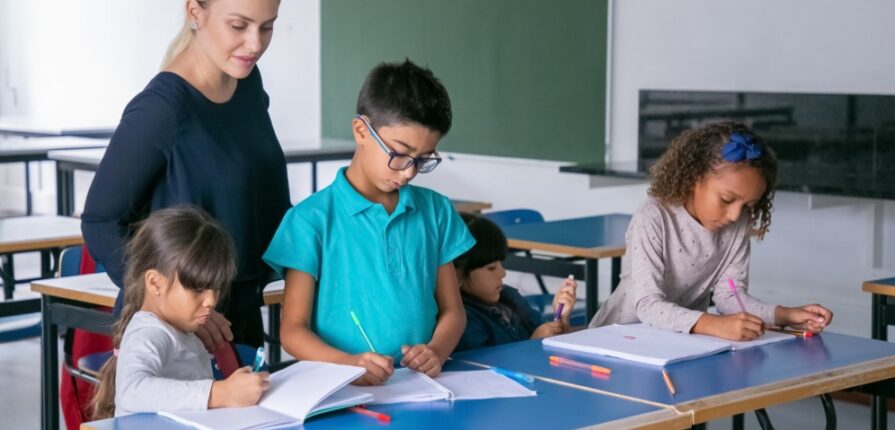
In a student-centered classroom, learning is no longer passive. Students are encouraged to ask questions, share ideas, and explore topics in greater depth. Teachers facilitate discussions, group activities, and collaborative projects that allow students to actively engage with the subject matter.
Such participation helps students develop communication skills and confidence. When children feel comfortable expressing their thoughts, they become more invested in their learning journey. This interactive approach also helps students retain information better because they are actively involved in the process rather than simply memorizing content.
Developing Critical Thinking and Problem-Solving Skills
Student-centered teaching places strong emphasis on developing analytical thinking. Instead of providing ready-made answers, teachers guide students to discover solutions on their own.
For example, classroom discussions, case studies, and real-world problem-solving activities allow students to analyze situations and think creatively. This process helps them build logical reasoning skills and learn how to approach challenges with confidence.
Such learning experiences prepare students not only for examinations but also for real-life situations where problem-solving and decision-making are essential.
Addressing Individual Learning Styles
Every student learns differently. Some children grasp concepts better through visual aids, while others prefer hands-on activities or discussions. Student-centered teaching recognizes these differences and adapts learning methods to accommodate various learning styles.
Teachers use a combination of techniques such as visual presentations, group discussions, experiments, and digital resources to make lessons more engaging and accessible. This flexible approach ensures that every student receives the support they need to succeed.
By recognizing individual strengths and challenges, educators can provide personalized guidance that helps students grow academically and personally.
Building Confidence and Independence
One of the most valuable outcomes of student-centered learning is the development of confidence. When students are encouraged to share ideas, lead projects, and take initiative, they develop a sense of responsibility for their own learning.
Activities such as presentations, collaborative projects, and leadership roles in school events help students build self-assurance and public speaking skills. Over time, they learn to express their opinions clearly and take initiative in solving problems.
These experiences foster independence, preparing students to become proactive learners who can adapt to new challenges.
Promoting Collaboration and Social Skills
Student-centered classrooms often involve teamwork and group-based learning activities. Through collaborative projects, students learn how to work effectively with others, respect different perspectives, and contribute to shared goals.
Such experiences help develop important social skills such as empathy, communication, and cooperation. Students learn how to listen to others, resolve conflicts, and support their peers in achieving common objectives.
These interpersonal skills are essential not only in school but also in future professional environments.
Conclusion:
Student-centered teaching has become a defining feature of high-performing schools. By placing students at the heart of the learning process, educators create an environment that fosters curiosity, confidence, and critical thinking.
Through interactive learning, personalized support, collaborative activities, and the integration of modern tools, this approach helps students develop both academic competence and essential life skills. As a result, student-centered education plays a crucial role in preparing young learners for success in an increasingly complex and dynamic world.
FAQs:
Q. 1 What is student-centered teaching?
Ans : It is a learning approach where students actively participate rather than passively listen.
Q. 2 Why do Good Schools in Gurugram focus on student-centered learning?
Ans : It encourages curiosity, creativity, and deeper understanding of subjects.
Q. 3 How does student-centered teaching improve learning?
Ans : Students engage in discussions, projects, and collaborative activities.
Q. 4 Does this method improve confidence in students?
Ans : Yes, students learn to express ideas, present thoughts, and lead discussions.
Q. 5 How does Summer Fields School promote student participation?
Ans : Summer Fields School encourages debates, projects, teamwork, and experiential learning.
Q. 6 Does student-centered learning improve problem-solving skills?
Ans : Yes, it trains students to analyze situations and find solutions independently.