

Your son’s weekday goes something like this: school, a quick lunch, tuition, homework, dinner, and then an hour on his phone before bed. On Saturday, you suggest an evening cycle ride around the block. He looks up, genuinely puzzled, and asks, “Why?”
It’s a familiar story in many city homes. Between traffic, tuition and towers with little open space, physical activity has quietly slipped down the list. Yet it’s one of the few things that helps a child’s body, mind and character all at once.
If you’re comparing the best schools in Gurgaon, a school’s approach to sport says a great deal about how it sees childhood. This blog post explains how much activity children actually need, why so many fall short, what CBSE requires, and how to help your child find a sport they enjoy.
How Much Activity Children Need
The World Health Organization’s 2020 guidelines are clear and simple. Children and teenagers aged 5 to 17 should get:
- At least 60 minutes a day, on average across the week, of moderate to vigorous activity, mostly aerobic
- Vigorous activity on at least three days a week, along with activities that strengthen muscles and bones
- Less time sitting, especially in front of screens for entertainment
“Moderate” means your child is breathing harder but can still talk. “Vigorous” means they can only manage a few words before needing a breath. Running, skipping, cycling, swimming and most team sports all count.
Most Children Fall Short
A WHO-led study of 1.6 million students across 146 countries found that in 2016, 81% of adolescents aged 11 to 17 were not active enough. Girls were less active than boys, with 84.7% falling short compared with 77.6% of boys.
That gap is worth noting. Girls often drift away from sport in the middle-school years, so it helps to encourage daughters early and to find activities they genuinely enjoy.
What an Active Week Can Look Like
Sixty minutes a day sounds like a lot until you see how it adds up. Here’s one example for a school-going child:
|
Day |
Activity |
|
Monday |
School PE period, plus a 20-minute cycle ride in the evening |
|
Tuesday |
Team practice, such as football or basketball |
|
Wednesday |
School PE period, plus skipping or dancing at home |
|
Thursday |
A club or coaching session, such as skating or badminton |
|
Friday |
School PE period, plus active play in the park |
|
Saturday |
A family outing: a long walk, a swim or a game together |
|
Sunday |
Free play, with extra rest if your child is tired |
Notice that vigorous activity, such as a match or a fast game of tag, appears on at least three days. Very little of it feels like a workout.
What CBSE Requires
CBSE has made Health and Physical Education compulsory for every class from 1 to 12. Schools are directed to set aside one period every day for it, and all students are expected to take part. The programme covers games and sports, health and fitness, and community work, so it’s about more than just playing.
It’s worth asking any school how this period is actually used. Is it time on the field, or does it quietly become extra study time before exams?
Finding the Right Sport
The right sport is the one your child will keep doing. Personality often offers a clue:
- Loves being part of a team: Football, basketball, volleyball or cricket
- Prefers to compete individually: Badminton, table tennis, skating or gymnastics
- Enjoys strategy and quiet focus: Chess, alongside an active sport
- Needs calm and flexibility: Yoga, combined with something more energetic
Let younger children try several sports before settling on one. Specialising too early can lead to burnout or injury, while a variety of activities builds all-round skills.
Making Room in a Busy Week
Sport needs a place in the timetable, just like tuition does. A few ideas help:
- Put it on the calendar: Treat practice as fixed, not optional.
- Move together as a family: A weekend walk, a cycle ride or a game in the park counts.
- Use short bursts: Skipping or a quick game in the evening adds up across the week.
- Swap some screen time: Even 20 minutes less on a device can mean 20 minutes more of play.
If your child already plays a sport at school, there’s no need to add an academy just to fill the week. Free, unstructured play counts too, and it’s often the part children enjoy most.
When Your Child Says “I’m Not Sporty”
Many children decide early that sport isn’t for them, often after a bad experience or a comparison with a more athletic friend. Look for activities without too much pressure, such as dance, cycling, yoga or skating, and praise effort rather than results. Confidence usually follows enjoyment, not the other way round.
What your child eats matters as much as how much they move. Our guide to healthy eating habits has simple ideas for fuelling an active day.
Frequently Asked Questions
1. Will sport take time away from studies?
In the right amount, it usually helps. Regular activity supports focus, mood and sleep, all of which matter for learning.
2. My daughter has lost interest in sport. What can I do?
Offer activities she can enjoy with friends, such as dance, skating or badminton, and ask whether the school has girls’ teams she can join. Seeing older girls play often helps, too.
3. Is yoga enough on its own?
Yoga is excellent for flexibility, balance and calm. Combine it with more vigorous activity on at least three days a week.
4. How do I know if my child is doing too much?
Watch for constant tiredness, frequent injuries, falling marks, or a child who no longer enjoys the sport. Rest is part of training too.
To Sum Up
An hour of activity a day can do more for a child than almost any extra class. When sport is planned into the week, chosen with your child’s personality in mind, and enjoyed as a family, it builds healthier bodies, calmer minds and stronger characters.
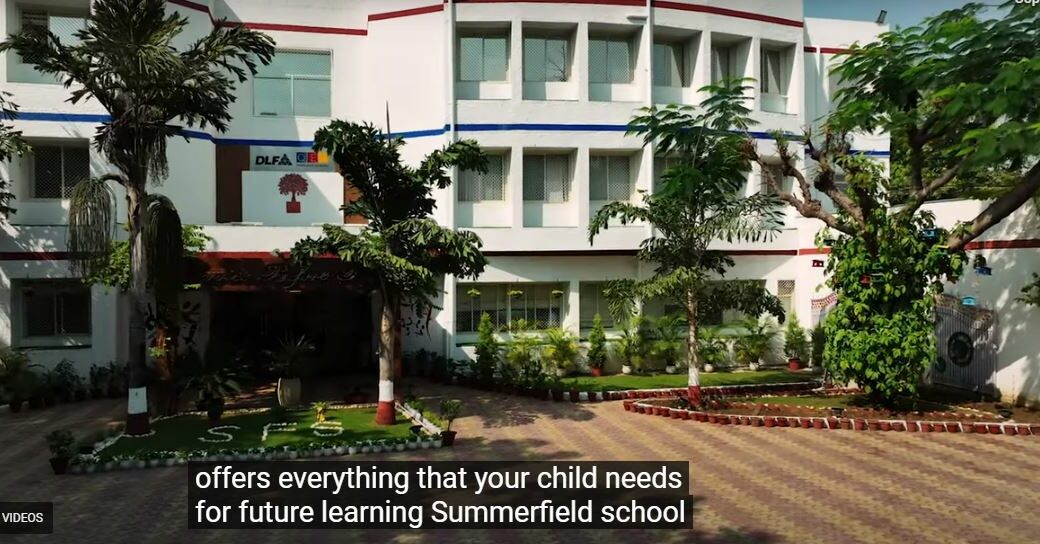
The best schools in Gurgaon treat sport as part of learning, not a break from it. At Summer Fields School, Gurugram, physical training and sport are part of a structured curriculum offered to every student daily, with gymnastics, football, volleyball, basketball, badminton, cricket, table tennis, yoga and chess on offer.
In 2026, our Under-16 boys won the Future Forward Sports 5.0 cricket tournament, and our skaters brought home gold at the 1st Inter-School Roller Skating Championship.
Discover our sports programme or call us on +91-124-2353687 to know more about our approach to sports.