





The transfer letter came through in August. Your company is moving you to Gurgaon by October, your son is in Class 9, and suddenly the house hunt is the easy part. The real question is whether he can change schools in the middle of the year, and what happens to his board registration if he does.
School transfers are far more common than most parents think. Jobs move, families relocate, and sometimes a child simply needs a different environment. In the early classes, switching is usually straightforward. In Classes 9 to 12, CBSE’s rules make it more involved, and timing matters a lot.
If you’re exploring the best CBSE schools in Gurgaon for a move, this guide explains how transfers work, what papers you’ll need, and where the tricky points lie.
Why Families Change Schools
In most cases, the reasons are practical. A job transfer or a house move is the most common. Some families want a different board, a better range of subjects in Class 11, or a school closer to home.
Others move because a child is unhappy, whether due to bullying, a poor fit with the teaching style, or a lack of support for their learning needs. None of these is unusual, and good schools see mid-way joiners every year.
Classes 1 to 8: Usually Simple
For the primary and middle years, admission rules are set by the State or UT where the school is located, rather than by CBSE. As long as a seat is available in your child’s class, a mid-year move is usually manageable.
You’ll typically need the transfer certificate (TC) from the previous school, the last report card, a birth certificate and address proof. Many schools will also have a short interaction or assessment to understand where your child stands.
Classes 9 to 12: Where It Gets More Detailed
Things change once your child enters the board years. CBSE registers students in Class 9 and Class 11, and that registration carries through to the Class 10 and Class 12 board exams. The APAAR ID, the student’s unique academic ID, now has to be linked at registration too, so keep it handy when you switch schools.
Here’s a quick overview based on CBSE’s admission and school-change rules:
Class | What to know |
Class 9 | Open to students who have passed Class 8 from a CBSE school, another recognised board or a State-recognised school |
Class 10 | Generally requires a regular Class 9 course from a CBSE school. Students from other boards are admitted mainly on family transfer or relocation |
Class 11 | Open to students who have passed Class 10 from CBSE or an equivalent recognised board |
Class 12 | Generally requires a regular Class 11 course from a CBSE school. Students from other boards need a family transfer or relocation, and the school must seek CBSE approval |
The key point is this: once a student’s name has been submitted for the board exam, moving between CBSE schools mid-session becomes very difficult and usually needs special approval from CBSE. So, if a move is likely, the earlier in the year you act, the better.
Valid Reasons for a Transfer in Board Classes
CBSE allows admissions in Classes 10 and 12 only in special circumstances, such as a parent’s transfer, medical grounds, or a family shift, and schools follow CBSE’s procedures for each case. For Classes 9 and 11, the paperwork depends on the reason for the move:
- Parent’s transfer: A written request, the official transfer order, the TC, the previous report card and your new local address
- Medical grounds: A parent’s request, the TC, report card, a government hospital medical certificate and an undertaking about the distance to both schools
- Subjects not available in Class 11: The school can decide on admission itself, following CBSE bye-laws
Always ask the new school’s admissions office what they’ll need for your specific case. They deal with these situations every year.
The Documents Checklist
Document | Why it’s needed |
Transfer certificate | Proof that your child has left the previous school |
Last report card | Shows academic standing and subjects studied |
Birth certificate | Proof of date of birth |
Address proof | Confirms residence in the new city |
APAAR ID details | Links your child’s academic record (especially for Classes 9 to 12) |
Transfer order (if relevant) | Supports admission in board classes |
If your child is coming from a different board, the TC may also need to be countersigned by that board’s authorities. Ask about this early, because countersignatures can take time.
Helping Your Child Settle In
Paperwork is only half the move. A new school can feel lonely in the first few weeks, especially for teenagers who’ve left a close group of friends behind.
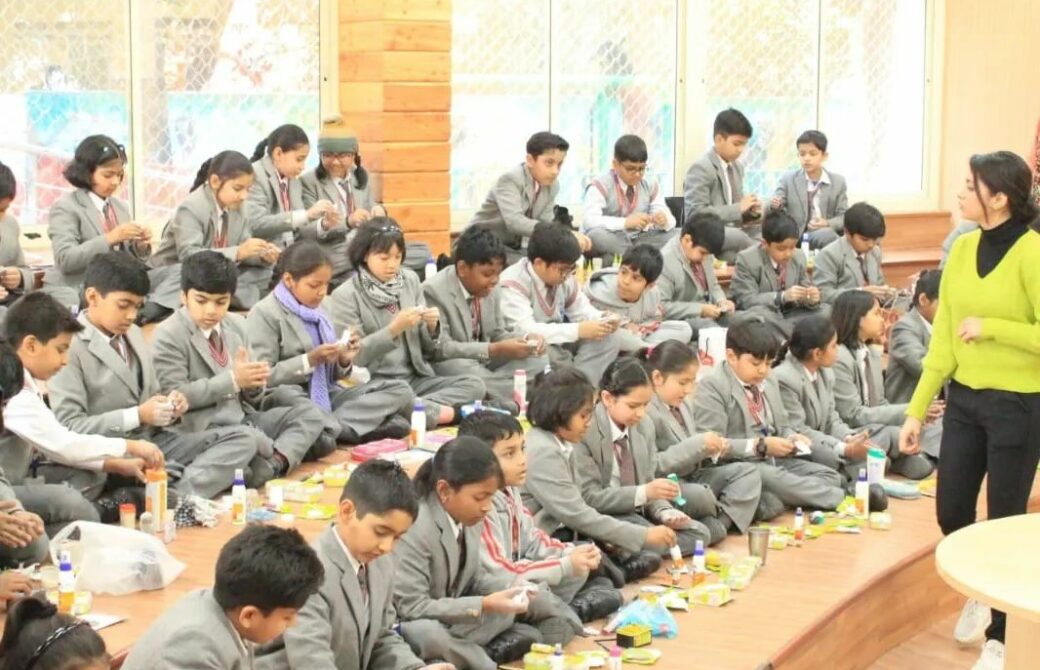
A few things help. Visit the school together before the first day if you can. Ask the class teacher whether a buddy can show your child around. Keep in touch with old friends, too. A weekend video call can make the change feel less like a loss.
If your child will be taking a school bus for the first time, the daily commute is part of settling in too. Our list of school bus safety questions [link with the relevant blog] is worth going through with the new school before the first day.
A move in Class 9 or 10 also lands right on top of board preparation, which can make an already tense year feel heavier. Our article on board exam stress [link with the relevant blog] has ideas for keeping things calm at home.
Expect some ups and downs academically as well. Different schools move through the syllabus at different speeds, so your child may have covered a chapter twice or missed one entirely. Talk to subject teachers early and agree on a short plan to fill any gaps.
Questions to Ask the New School
Ask whether there’s a seat in your child’s class and preferred subject combination, how the school helps mid-year joiners settle, and how any differences in syllabus will be handled. For Classes 9 and 11, check whether registration with CBSE is still open, or how the school will handle it.
Frequently Asked Questions
1. Can my child change CBSE schools in Class 10?
It’s possible, but only in specific circumstances such as a parent’s transfer or medical grounds. Once the list of candidates for the board exam has been submitted, a move needs special approval from CBSE.
2. Will my child need to re-register with CBSE?
Ask the new school how they’ll handle it. Changes to registration details after submission are allowed only in special cases, and a transfer is one of them.
3. Do I need a TC to move from one CBSE school to another?
Yes. A transfer certificate signed by the previous school’s head is required.
4. What if we’re moving from a State board?
Classes 9 and 11 are open to students from other recognised boards. For Classes 10 and 12, admission from another board is generally limited to cases of family transfer or relocation.
To Sum Up
Changing schools mid-way can feel overwhelming, but most of the stress comes from not knowing the rules. Act early, keep the TC, report card, and APAAR details ready, and talk openly with the new school. With the paperwork sorted, you can focus on helping your child settle in.
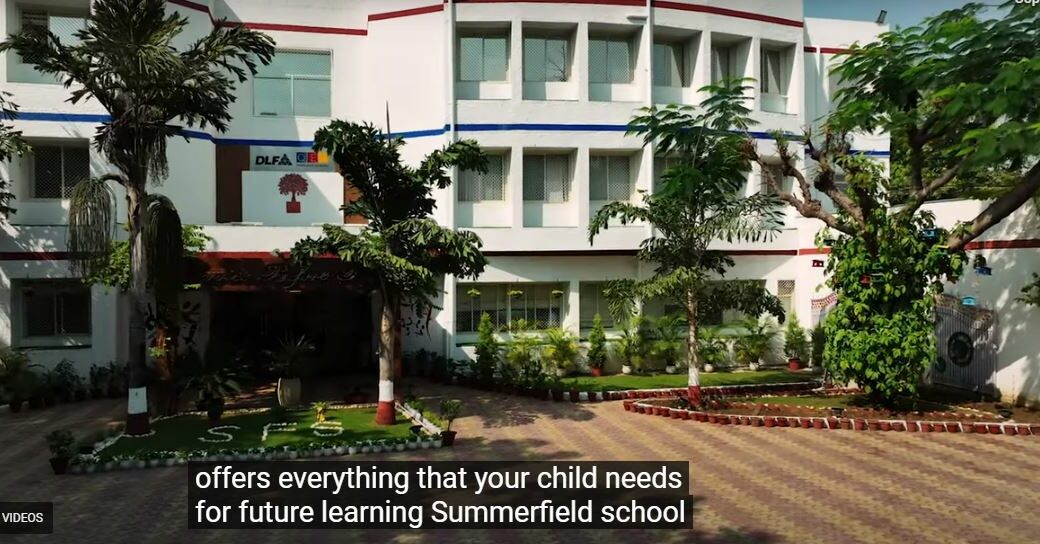
Finding a place among the best CBSE schools in Gurgaon in the middle of a move is a lot to manage, and we want to make it easier. At Summer Fields School, Gurugram, set up under DLF management in 1987 and affiliated to CBSE up to Class 12, our admissions team can help you understand exactly what’s needed for your child’s class. Read our admission guidelines or call us on +91-124-2353687, and we’ll talk you through the next steps.
Blog 4 – Keyword: top CBSE schools in Gurgaon