




Key Highlights
- Learning is more meaningful when students can connect knowledge with real-life experiences.
- Activities beyond textbooks can strengthen communication, creativity and problem-solving.
- Sports, clubs, projects and community engagement encourage confidence and responsibility.
Introduction
A classroom can introduce a child to ideas, concepts and knowledge, but learning does not end when the lesson does. Some of the most valuable lessons emerge when students are encouraged to explore, participate, observe, create and interact with the world around them.
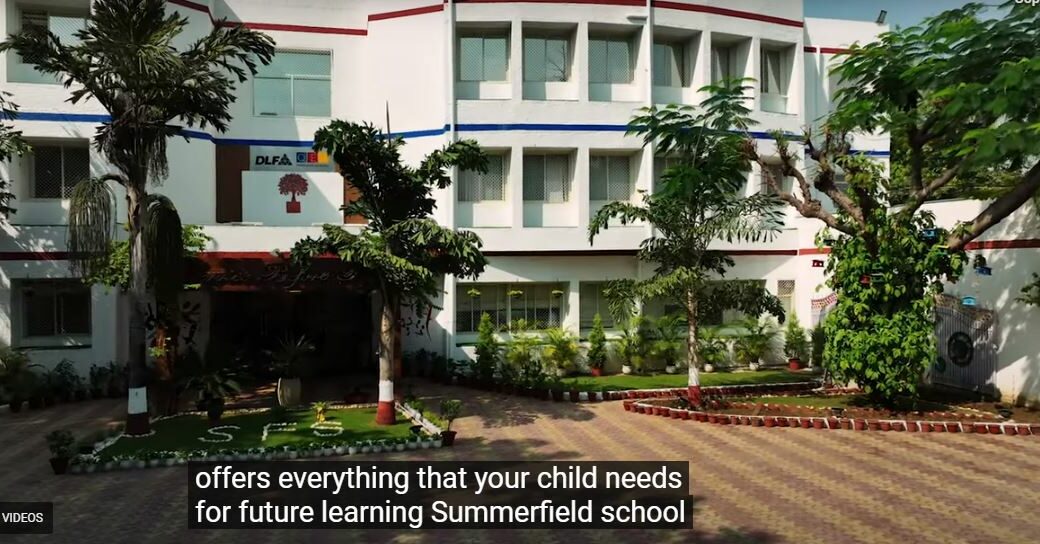
At Summer Fields School Gurugram, the education today is gradually moving beyond the traditional emphasis on textbooks and examinations. Among the Best School in Gurugram, a broader understanding of education places importance on academic learning as well as experiences that help children develop confidence, curiosity, communication and social responsibility.
What Does Learning Beyond the Classroom Really Mean?
Learning beyond the classroom does not simply mean taking students outside the school building. It refers to creating opportunities where children can learn through experience, interaction and application.
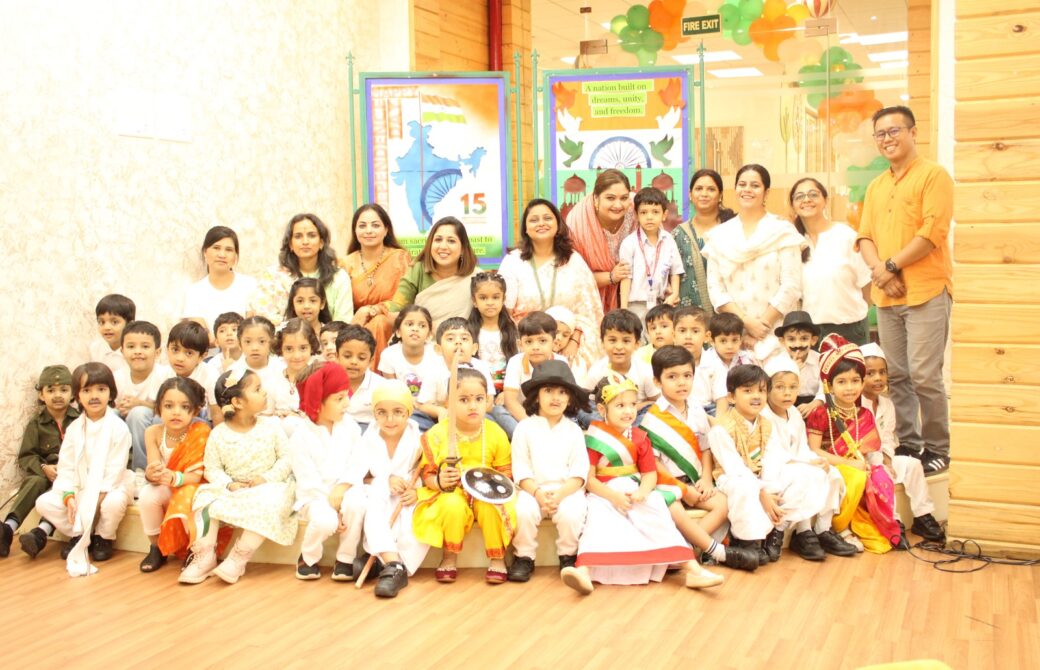
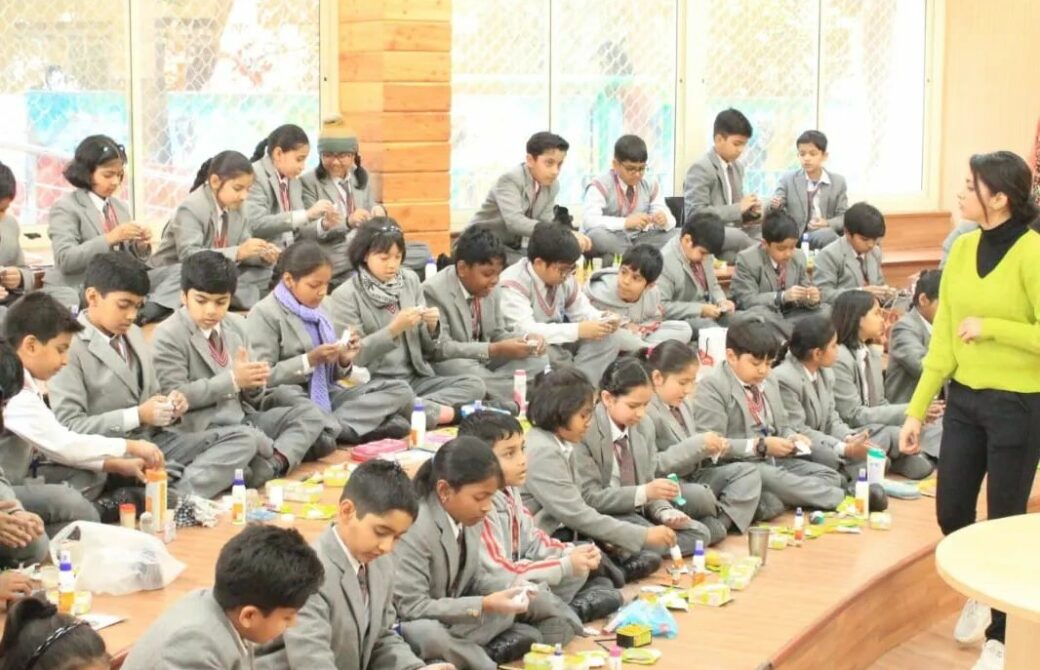
Students may learn by participating in clubs, sports, cultural activities, competitions, projects, workshops, field visits or community-oriented programmes. They may also develop skills through teamwork, presentations, creative expression and independent exploration.
Why Do Students Need Experiences Beyond Textbooks?
Is academic knowledge alone enough?
Academic knowledge remains an important part of education, but students eventually need to use that knowledge in unfamiliar situations. They need to communicate ideas, collaborate with others, manage responsibilities and respond to challenges.
Experiences outside conventional lessons can provide opportunities to practise these abilities naturally. A group activity may teach cooperation, while a presentation may improve communication. A sports competition can introduce discipline and resilience, while a community initiative can encourage empathy.
How Can Experiential Learning Build Better Understanding?
Why does doing sometimes teach more than memorising?
When students actively participate in an experience, they have opportunities to connect theoretical knowledge with practical situations. This can make learning more memorable and encourage deeper thinking.
For example, environmental concepts can become more meaningful when students observe their surroundings. Mathematical thinking can be developed through practical problem-solving, while communication skills can grow through discussions, presentations and collaborative projects.
Can Activities Outside Academics Develop Life Skills?
What can students learn outside regular lessons?
Many skills required in everyday life are developed through participation rather than instruction alone.
Students can gradually develop:
- Communication through discussions and presentations
- Teamwork through group activities and sports
- Leadership through responsibility and decision-making
- Creativity through arts and innovative projects
- Discipline through regular practice and commitment
- Empathy through community engagement
- Problem-solving through challenges and real-world tasks
- Adaptability through exposure to unfamiliar situations
These capabilities can complement academic knowledge and contribute to a more balanced development.
How Does Exposure to Different Experiences Build Confidence?
Can children discover their strengths outside academics?
Every child has different interests, abilities and ways of expressing themselves. A student who may not always stand out in conventional academic settings could discover confidence through music, sports, theatre, technology, art or public speaking.
Providing varied opportunities allows students to experiment and identify areas in which they feel comfortable and capable.
Why Should Schools Encourage Curiosity and Exploration?
How does curiosity influence learning?
Curiosity encourages students to look beyond immediate answers. When children are encouraged to ask questions, investigate ideas and explore different possibilities, learning can become more self-directed.
A strong educational environment should therefore provide space for exploration rather than making every learning experience dependent on predetermined answers.
How Does Learning Beyond Classrooms Prepare Students for the Future?
What skills will children need beyond school?
Students are growing up in a world influenced by rapid technological, social and professional changes. Their future may involve careers and situations that cannot be predicted with certainty.
Rather than preparing children only for specific outcomes, education can help them develop the ability to learn continuously and respond to change.
Experiences beyond the classroom can support this by encouraging students to:
Explore → Participate → Collaborate → Reflect → Adapt → Grow
This cycle can help children become more comfortable with uncertainty and develop the confidence to approach unfamiliar situations.
Why Should Parents Look Beyond Academic Results?
When evaluating educational opportunities, academic achievement naturally matters. However, parents can also consider how a school encourages children to learn beyond formal lessons.
Questions worth considering include:
- Are students encouraged to participate in different activities?
- Do they receive opportunities to work collaboratively?
- Is there space for creativity and independent thinking?
- Are sports and physical development given importance?
- Can students engage with technology and new ideas?
- Does the environment encourage empathy and responsibility?
- Are children given opportunities to take initiative?
These factors can provide a broader picture of the educational experience available to a child.
Conclusion
Learning does not have to remain confined to a desk, a textbook or a timetable. Some of the most lasting lessons can emerge when students are given opportunities to explore the world, interact with others, solve problems and take responsibility.
At Summer Fields School Gurugram, learning beyond classrooms can strengthen academic understanding while developing confidence, creativity, communication, leadership and empathy. For Top Schools in Gurugram, this broader approach to education can help children understand that learning is not simply something that happens for an examination—it is a continuous process that accompanies them throughout life.
FAQs
Q. 1 Why is learning beyond the classroom important?
Ans : It helps students connect academic concepts with practical experiences while developing communication, creativity, teamwork and problem-solving skills.
Q. 2 What are examples of learning beyond classrooms?
Ans : Sports, projects, clubs, educational visits, workshops, cultural activities, community initiatives and experiential learning are common examples.
Q. 3 Does learning outside the classroom support academic growth?
Ans : Yes. Practical experiences can help students understand concepts more deeply and apply their knowledge in different situations.
Q. 4 How can extracurricular activities build confidence?
Ans : They give students opportunities to explore interests, practise skills, take responsibility and experience progress outside conventional academics.
Q. 5 Why is experiential learning important for children?
Ans : It encourages active participation, curiosity, observation, reflection and application instead of relying entirely on memorisation.
Q. 6 How does holistic education prepare students for the future?
Ans : It combines academic knowledge with life skills, values, creativity, collaboration and adaptability, helping students become lifelong learners.