






Key Highlights
- Selecting the right school requires evaluating academics, learning environment, facilities, and student development opportunities.
- The best school choice focuses on long-term growth rather than only immediate academic results.
- CBSE institutions provide structured learning approaches that support future academic and career goals.
- Parents should compare schools based on teaching quality, curriculum approach, and overall learning experience.
- Exploring Top CBSE Schools helps families identify institutions that align with their child’s educational needs.
Table of Contents
- Introduction
- About Us
- How Can Parents Identify the Right School for Their Child?
- What Factors Should Be Considered While Shortlisting a CBSE School?
- How Does the Right School Support Academic and Personal Growth?
- Why Is a Balanced Learning Environment Important for Students?
- Conclusion
- FAQs
Introduction:
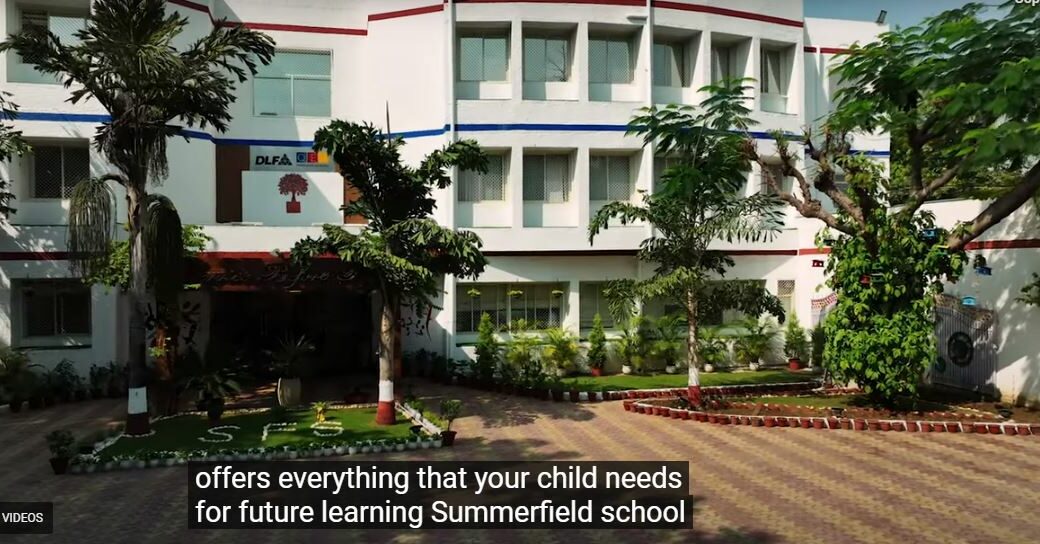
Choosing a school is one of the most important decisions parents make for their child’s future. At Summer Fields School, the Top CBSE Schools in Gurgaon where a school is not only a place where students learn subjects but also an environment where they develop confidence, values, communication skills, creativity, and problem-solving abilities. With multiple education options available today, parents need to carefully evaluate different factors before making the right choice.
About Us:
Summer Fields School focuses on providing a balanced educational experience where students can develop academically, socially, and emotionally. The institution follows a structured learning approach designed to encourage curiosity, creativity, and independent thinking among learners.
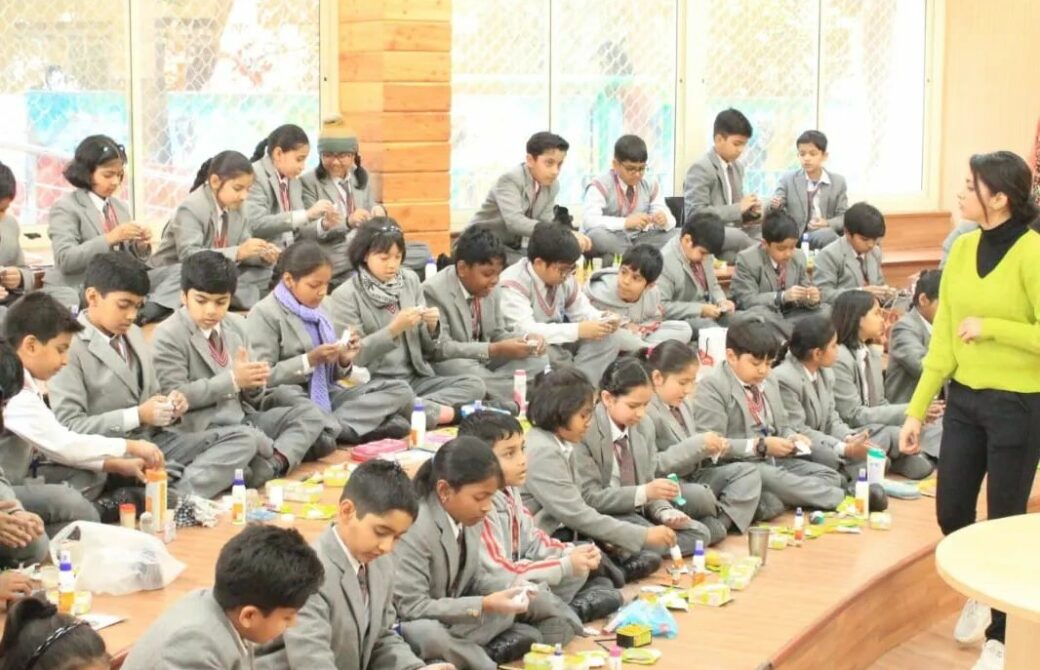
With emphasis on quality teaching, skill development, and student engagement, the school aims to create an environment where children can explore their abilities and strengthen their confidence. Along with academics, importance is given to activities that enhance communication, teamwork, leadership, and personal growth.
How Can Parents Identify the Right School for Their Child?
Shortlisting the right school requires understanding what environment best supports a child’s learning style, interests, and future goals. Every child has unique abilities, and the ideal school should provide opportunities that help them grow at their own pace.
Parents should begin their evaluation by considering:
|
Evaluation Area |
Key Questions to Ask |
|
Curriculum |
Does the academic structure support strong learning foundations? |
|
Teaching Approach |
Are students encouraged to understand concepts practically? |
|
Learning Environment |
Does the school promote confidence and curiosity? |
|
Activities |
Are students provided opportunities beyond academics? |
|
Student Support |
Does the school focus on individual learning needs? |
A thoughtful selection process helps parents choose a school that supports both academic performance and overall personality development.
What Factors Should Be Considered While Shortlisting a CBSE School?
A CBSE school should provide more than textbook-based education. Parents should evaluate multiple aspects to understand the overall value offered by an institution.
Important factors include:
● Academic Framework : A well-planned curriculum helps students develop conceptual clarity and strong subject knowledge. Schools that focus on understanding concepts prepare learners for examinations as well as future academic challenges.
● Experienced Teaching Faculty : Teachers play an important role in shaping a student’s educational journey. Skilled educators provide guidance, encourage participation, and help students improve their strengths.
● Infrastructure and Learning Resources : Modern classrooms, activity spaces, libraries, laboratories, and technology-enabled learning resources create opportunities for interactive education.
● Co-Curricular Opportunities : Activities such as sports, arts, debates, projects, and clubs allow students to discover interests and develop confidence outside academics.
● Values and Life Skills Education : Schools that focus on responsibility, teamwork, communication, and empathy help students become well-rounded individuals.
How Does the Right School Support Academic and Personal Growth?
A good school creates an ecosystem where students can develop multiple skills together. Academic achievement becomes more meaningful when combined with confidence, creativity, and emotional intelligence.
A supportive educational environment helps students develop:
- Independent Learning Skills: Encourages students to explore ideas and take ownership of their learning.
- Problem-Solving Ability: Builds analytical thinking through practical activities and projects.
- Communication Skills: Improves confidence through presentations, discussions, and teamwork.
- Leadership Qualities: Provides opportunities to take responsibility and collaborate with peers.
- Adaptability: Helps students adjust to changing academic and professional environments.
These qualities are essential for students as they progress towards higher education and future career opportunities.
Why Is a Balanced Learning Environment Important for Students?
Academic success is influenced by various factors, including emotional well-being, creativity, and social development. A balanced school environment ensures that students receive support in different areas of growth.
Parents should look for schools that provide:
|
Learning Element |
Student Development Benefit |
|
Academic Guidance |
Strong subject understanding |
|
Creative Activities |
Innovation and imagination |
|
Sports Participation |
Discipline and teamwork |
|
Group Projects |
Collaboration skills |
|
Mentorship Support |
Confidence and decision-making |
A school that balances academics with practical experiences prepares students to handle real-world situations effectively.
Institutions that demonstrate expertise through experienced educators, structured programs, and transparent communication build trust among parents. A commitment towards continuous improvement and student success reflects the reliability of an educational institution.
Conclusion:
Shortlisting the right school requires careful evaluation of academic quality, teaching methods, facilities, and opportunities for overall development. Parents should focus on finding an institution that supports their child’s interests, abilities, and long-term goals. A well-balanced education prepares learners not only for examinations but also for future academic and professional success.
FAQs:
Q. 1 What are the important factors parents should check before selecting a school?
Ans : Parents should review academics, faculty, learning environment, activities, and student development opportunities.
Q. 2 How can families identify the right educational environment?
Ans : A suitable school should encourage curiosity, confidence, creativity, and independent learning.
Q. 3 Why do parents consider Summer Fields School during their search?
Ans : The institution provides a balanced approach with academic support and holistic development opportunities.
Q. 4 Should parents focus only on school rankings while choosing?
Ans : No, learning methods, values, facilities, and student experiences are equally important.
Q. 5 How does the right school influence a child’s growth?
Ans : It helps students build knowledge, communication skills, confidence, and adaptability.
Q. 6 What makes Summer Fields School stand apart from other options?
Ans : Its student-focused approach supports academic progress along with personality development.