

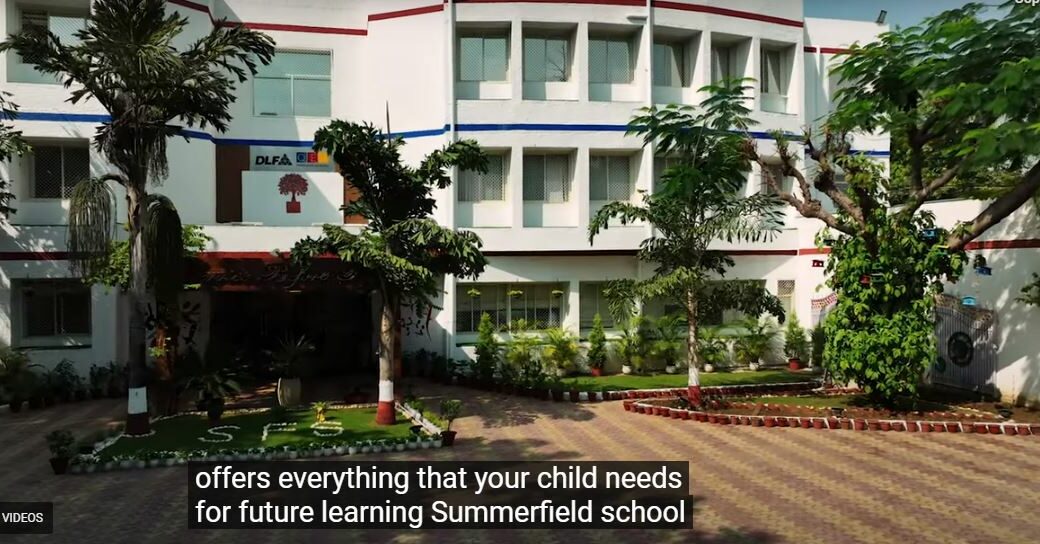






Key Highlights
- Choosing the right school requires balancing academic quality, learning opportunities, and long-term value.
- Affordable education does not mean compromising on teaching standards or student development.
- A well-rounded learning environment supports academic growth, creativity, confidence, and life skills.
- Parents should evaluate curriculum, infrastructure, teaching methods, and future readiness before making a decision.
- The right educational investment creates lasting benefits for a child’s personal and professional journey.
Table of Contents
- Introduction
- About Us
- How Can Parents Balance Quality Education and School Investment?
- What Factors Define an Affordable Yet High-Quality School?
- How Does Holistic Learning Improve a Child’s Future Readiness?
- Why Should Parents Look Beyond Fees While Selecting a School?
- Conclusion
- FAQs
Introduction:
Selecting the right school is one of the most important decisions parents make for their children. At Summer Fields School, the Best Schools in Gurgaon where education is not only about classroom learning or examination results; it is about creating a strong foundation that supports intellectual growth, confidence, creativity, communication skills, and responsible decision-making. In today’s competitive environment, parents are increasingly looking for institutions that provide quality education while also ensuring that the investment remains practical and sustainable.
About Us:
Summer Fields School focuses on creating a learning environment where students can develop strong academic foundations along with essential life skills. The institution follows a student-centric approach that encourages curiosity, discipline, creativity, and independent thinking.
With a focus on balanced education, the school aims to nurture learners through effective teaching methodologies, co-curricular opportunities, and value-based education. By combining academic excellence with character development, it supports students in becoming confident individuals prepared to face future challenges.
How Can Parents Balance Quality Education and School Investment?
Choosing a school is not simply about selecting the lowest fee structure. Parents need to evaluate the overall value provided by the institution and understand how the learning environment contributes to their child’s growth.
A balanced educational investment considers multiple factors:
| Evaluation Factor | Importance |
| Teaching Quality | Ensures strong academic understanding and personalised guidance |
| Learning Environment | Encourages curiosity, confidence, and participation |
| Skill Development | Builds communication, teamwork, and problem-solving abilities |
| Infrastructure | Supports practical and engaging learning experiences |
| Extracurricular Activities | Helps students discover interests beyond academics |
Affordable education becomes valuable when it provides meaningful outcomes rather than focusing only on cost. Schools that combine academic support with skill-based learning allow students to receive a complete educational experience.
What Factors Define an Affordable Yet High-Quality School?
Parents often associate affordability with limited facilities, but modern educational institutions are changing this perception. The right school focuses on providing maximum learning value through effective planning and student-focused initiatives.
Important factors parents should consider include:
● Strong Academic Framework
A structured curriculum helps students develop conceptual clarity rather than relying only on memorisation. Effective teaching methods encourage students to understand subjects deeply and apply knowledge practically.
● Experienced Educators
Teachers play an important role in shaping a child’s learning journey. Skilled educators identify individual strengths, provide guidance, and create engaging classroom experiences.
● Focus on Life Skills
Education extends beyond textbooks. Schools that incorporate activities related to communication, teamwork, leadership, and creativity prepare students for real-world situations.
● Supportive Learning Culture
A positive environment allows students to express ideas, ask questions, and develop confidence. Emotional support and encouragement contribute significantly to overall growth.
How Does Holistic Learning Improve a Child’s Future Readiness?
Modern education requires students to develop skills beyond academic knowledge. A holistic learning approach combines intellectual, social, emotional, and creative development.
A well-rounded education helps students develop:
- Critical Thinking: Encourages students to analyse situations and find solutions independently.
- Communication Skills: Improves confidence in expressing ideas clearly.
- Collaboration Abilities: Teaches teamwork and respect for different perspectives.
- Creativity: Allows students to explore innovative ideas through activities and projects.
- Emotional Intelligence: Helps children manage emotions and build healthy relationships.
Schools that integrate these areas create learners who are better prepared for higher education and future career opportunities.
Why Should Parents Look Beyond Fees While Selecting a School?
Educational investment should always be evaluated in terms of long-term benefits. A school with slightly higher resources and stronger development opportunities may provide greater value throughout a child’s academic journey.
Parents should compare schools based on:
| Short-Term Considerations | Long-Term Benefits |
| Fee structure | Better learning outcomes |
| Distance and accessibility | Consistent academic support |
| Facilities available | Skill development opportunities |
| Activity programs | Confidence and personality growth |
The right choice is not always the cheapest option but the one that provides meaningful growth opportunities. Parents should consider how the school prepares children for future challenges rather than focusing only on immediate expenses.
A reliable educational institution demonstrates expertise through qualified teachers, structured programs, and a commitment to student success. Transparency in communication, consistent academic practices, and a safe learning environment also reflect the trustworthiness of an institution.
Conclusion:
Choosing the right school is an investment in a child’s future. Parents need to identify institutions that offer a balance between affordability, academic excellence, and overall development. The Affordable Schools demonstrate that quality education can be accessible when schools focus on effective teaching, holistic learning, and student-centred growth.
FAQs:
Q. 1 What should parents consider before making an educational investment decision?
Ans : Parents should evaluate academic quality, teaching methods, facilities, and overall development opportunities offered by Summer Fields School.
Q. 2 How does an affordable school provide long-term value for students?
Ans : A quality institution focuses on strong foundations, skill development, and future readiness rather than only focusing on fees.
Q. 3 Why is Summer Fields School a suitable choice for balanced education?
Ans : The school combines academics with creativity, confidence-building activities, and a supportive learning environment.
Q. 4 How can parents compare different schools before admission?
Ans : Parents should assess curriculum, faculty experience, student growth opportunities, and learning outcomes.
Q. 5 Does educational investment impact a child’s future success?
Ans : Yes, the right learning environment helps children develop knowledge, skills, and confidence for future challenges.
Q. 6 What makes a school more valuable beyond academics?
Ans : A school’s focus on life skills, values, and personality development creates lasting benefits.