






Introduction
Modern parenting encompasses far more than ensuring children complete homework and achieve good grades. Today’s parents understand that academic success alone cannot guarantee a fulfilling, meaningful life. The emotional and social well-being of children has emerged as a critical priority in educational decision-making. Parents actively seek the top school in Gurugram that recognizes the profound importance of cultivating emotional resilience and strong interpersonal skills alongside traditional academics.
This shift in educational priorities reflects a fundamental understanding: children who develop robust emotional intelligence and healthy social relationships perform better academically while experiencing greater life satisfaction. They navigate challenges with confidence, maintain meaningful friendships, and contribute positively to their communities. This comprehensive guide explores why forward-thinking parents increasingly prioritize emotional and social growth when selecting educational institutions for their children.
Understanding Emotional and Social Growth
What Constitutes Emotional Development?
Emotional development encompasses the ability to recognize, understand, and manage one’s own emotions effectively. Children with strong emotional capabilities:
- Identify and name their feelings accurately
- Understand the connection between emotions and behaviors
- Develop healthy coping strategies for stress and disappointment
- Build self-confidence and positive self-perception
- Practice self-regulation in various situations
- Express emotions appropriately and respectfully
Schools prioritizing emotional growth create environments where students feel safe exploring feelings without judgment. Teachers and counselors guide students through emotional challenges, helping them develop the internal resources necessary for navigating life’s complexities.
The Foundation of Social Growth
Social development involves acquiring skills and understanding necessary for functioning effectively with others. This includes:
- Developing genuine friendships based on mutual respect
- Practicing active listening and empathetic communication
- Collaborating effectively toward shared goals
- Resolving conflicts constructively
- Understanding and respecting diverse perspectives
- Demonstrating leadership and followership
- Contributing positively to group dynamics
The top school in Gurugram recognizes that social competence is not innate; it must be deliberately taught, practiced, and reinforced. Through intentional programming and supportive relationships, schools can significantly enhance students’ social development.
The Research Behind Emotional and Social Learning
Academic Performance and Well-being Connection
Extensive educational research demonstrates a clear correlation between emotional well-being and academic achievement. Students experiencing chronic stress, anxiety, or social difficulties demonstrate:
- Lower concentration and attention span
- Reduced memory retention
- Decreased motivation and engagement
- Higher absenteeism rates
- Greater likelihood of behavioral issues
- Diminished academic performance
Conversely, students with strong emotional health and positive relationships show:
- Enhanced focus and learning capacity
- Better information retention
- Increased classroom participation
- Improved attendance
- Reduced disciplinary problems
- Superior academic results
These outcomes make emotional and social development integral to educational effectiveness, not supplementary programs competing for resources.
Long-term Life Outcomes
The benefits of emotional and social learning extend far beyond school years. Research tracking students over decades reveals that emotional intelligence and social skills predict:
- Career success and advancement
- Relationship satisfaction and stability
- Physical and mental health outcomes
- Financial security
- Community engagement and citizenship
- Overall life satisfaction and happiness
Students who develop these competencies early experience measurable advantages throughout their lives, making investment in emotional and social growth a strategic decision for long-term success.
Why Parents Increasingly Prioritize These Areas
Moving Beyond Grades and Test Scores
Previous generations often measured educational success solely through academic metrics: grades, test scores, and college placements. Today’s parents recognize these measures capture only a partial picture of educational quality.
Parents now ask critical questions:
- Is my child emotionally happy at school?
- Does she have genuine friends and supportive relationships?
- Can he manage stress and setbacks constructively?
- Does she feel confident and valued?
- Can he communicate effectively and collaborate with others?
- Does she maintain curiosity and enthusiasm for learning?
A top school in Gurugram answers these questions affirmatively while also delivering academic excellence. Parents understand that a child’s overall development matters more than any single achievement.
The Mental Health Crisis Among Youth
Rising rates of anxiety, depression, and behavioral disorders among young people have heightened parental awareness of emotional well-being’s importance. Schools addressing these issues through preventative programming significantly reduce student distress.
Comprehensive emotional and social support includes:
- Mental health screening and early intervention
- Counseling services and crisis support
- Peer support programs and buddy systems
- Stress management and mindfulness instruction
- Healthy relationship education
- Bullying prevention and intervention
Parents recognize schools offering these services protect their children’s psychological well-being while creating conditions for meaningful learning.
Professional World Demands
Parents understand the modern workplace prioritizes soft skills alongside technical competence. Employers consistently report difficulty finding employees with:
- Strong communication and presentation abilities
- Collaborative and teamwork capabilities
- Emotional intelligence and self-awareness
- Resilience and adaptability
- Leadership and initiative
- Creative problem-solving approaches
Schools developing these competencies provide genuine career advantage. Parents invest in emotional and social development as practical preparation for professional success.
Core Components of Effective Emotional and Social Programs
Social-Emotional Learning Curriculum
Quality institutions embed systematic emotional and social instruction throughout curriculum and school culture. Effective programs address:
- Self-awareness: Understanding personal strengths, weaknesses, emotions, and values
- Self-management: Managing emotions, stress, and behaviors effectively
- Social awareness: Understanding others’ perspectives, showing empathy, and appreciating diversity
- Relationship skills: Building positive relationships, communicating effectively, and collaborating
- Responsible decision-making: Making ethical choices considering personal and social consequences
These competencies are taught explicitly through classroom lessons while being reinforced throughout daily school experiences.
Supportive Relationships and Mentoring
Research consistently demonstrates that supportive adult-child relationships form the foundation of healthy emotional and social development. Effective schools ensure:
- Teachers know students as individuals
- Low student-to-teacher ratios allowing personal connection
- Consistent mentoring relationships
- Accessible counselors and support staff
- Open communication channels between home and school
- Regular check-ins about student well-being
When adults genuinely care about students’ whole-person development, children feel valued and secure, enabling optimal learning and growth.
Peer Connection and Community Building
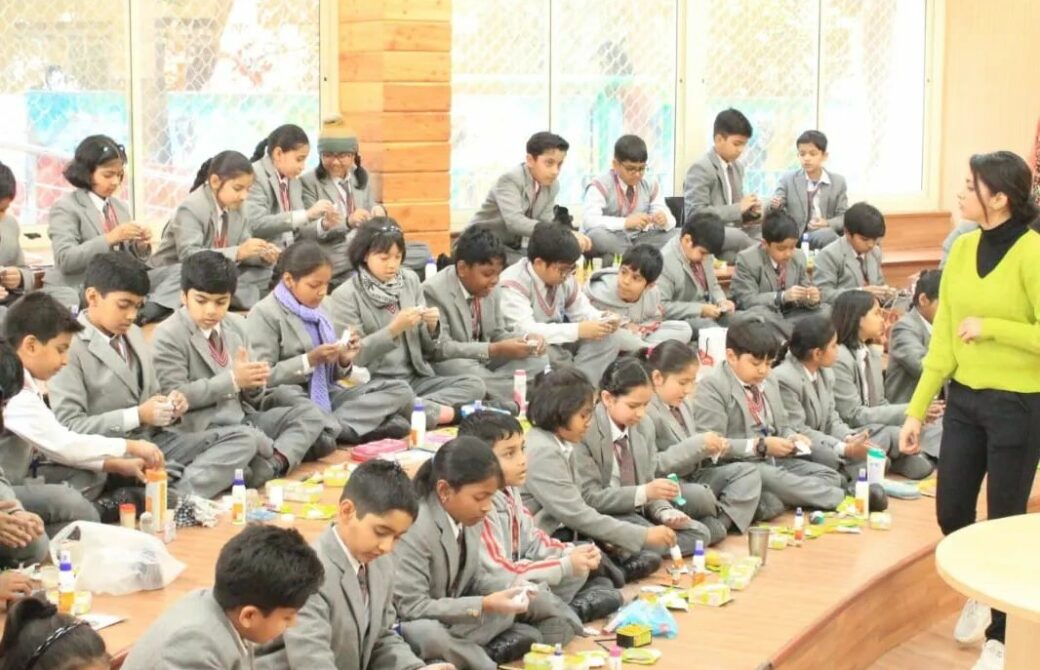
Schools intentionally foster positive peer relationships through:
- Cooperative learning structures requiring collaboration
- Mixed-ability groupings promoting inclusion
- Community service projects building shared purpose
- Celebration of diverse talents and backgrounds
- Anti-bullying initiatives and peer mediation
- Inclusive clubs and organizations
- Mixed-age interaction opportunities
Strong peer relationships provide crucial developmental benefits while creating the belonging that makes learning meaningful.
Family and Community Engagement
Emotional and social growth occurs most effectively when school efforts align with family values and support. Quality programs include:
- Regular communication about student emotional and social progress
- Parent education workshops addressing child development
- Family involvement in school community building
- Regular feedback loops and collaboration
- Cultural responsiveness and inclusion
- Connection with community resources and supports
When families understand and reinforce school values, consistency strengthens student development.
Summer Fields School, Gurugram: A Model of Comprehensive Development
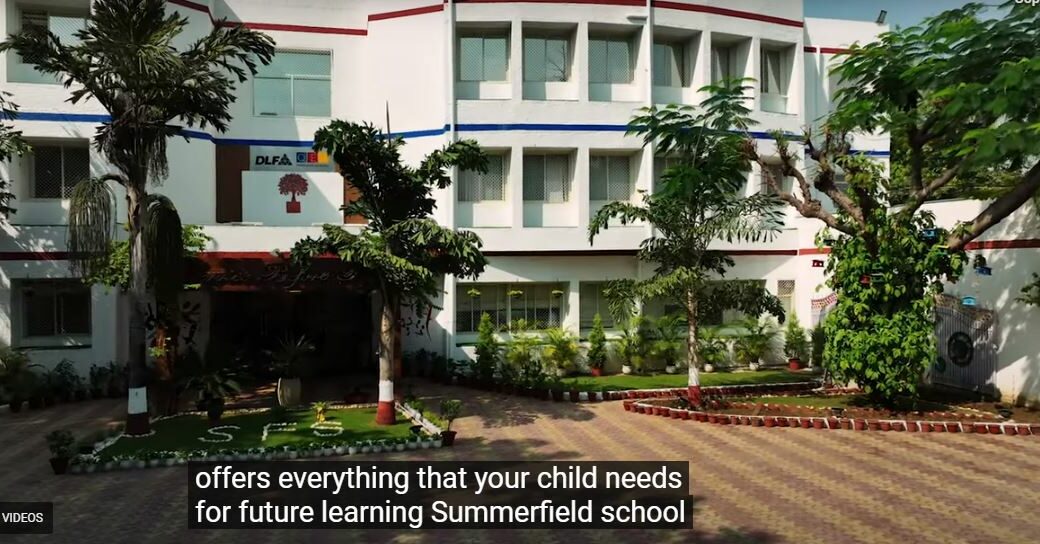
When evaluating educational options, examining specific institutional practices provides clarity about commitment to emotional and social growth. Summer Fields School, Gurugram demonstrates the characteristics of a top school in Gurugram through dedication to student well-being alongside academic excellence.
Institutions seriously committed to emotional and social development demonstrate:
- Explicit policies prioritizing student well-being
- Trained counselors and mental health professionals
- Evidence-based social-emotional curriculum
- Professional development for teachers
- Regular assessment of student emotional and social progress
- Strong anti-bullying and inclusion initiatives
- Parent partnership and communication
- Diverse opportunities for relationship building
Identifying Schools Prioritizing Emotional and Social Growth
Questions to Ask During School Selection
Evaluate potential schools by investigating:
1. Mental Health and Counseling Services
- How many counselors serve the student population?
- What qualifications do they possess?
- How accessible are services to students?
- What prevention and intervention programs exist?
2. Social-Emotional Curriculum
- What specific competencies are taught?
- How is instruction delivered?
- How frequently do students receive this instruction?
- How is progress assessed and reported?
3. School Culture and Climate
- What values does the school prioritize?
- How does the school address conflict and bullying?
- Do students feel safe and included?
- What is the student-teacher relationship quality?
4. Communication and Partnership
- How frequently do parents receive updates about student well-being?
- What mechanisms exist for parent-teacher collaboration?
- How responsive is school leadership to concerns?
- Are parents invited into school community building?
5. Diversity and Inclusion
- How does the school promote understanding of differences?
- What steps ensure all students feel valued?
- Are diverse perspectives included in curriculum?
- How are students with different abilities accommodated?
6. Student Voice and Agency
- Do students participate in decision-making?
- Are student concerns heard and addressed?
- Do students have meaningful choice in learning?
- Are leadership opportunities available broadly?
Red Flags in School Assessment
Conversely, be cautious of schools that:
- Minimize or dismiss emotional well-being as non-academic
- Lack adequate counseling or support services
- Show dismissive responses to bullying or social concerns
- Emphasize only academic outcomes in communications
- Demonstrate resistance to parent input or questions
- Appear unwelcoming or exclusive in tone
- Show limited diversity in student body or curriculum
The Balance: Academic Excellence and Emotional Growth
Debunking the False Choice
Some debate whether schools should prioritize academics or emotional growth, suggesting they compete for limited resources. Quality schools prove this is a false choice.
Research demonstrates that:
- Students with strong emotional health learn more effectively
- Social skills enhance collaborative academic projects
- Emotional regulation improves test performance
- Mental health directly affects academic engagement
- Resilience enables perseverance through academic challenges
The top school in Gurugram integrates these dimensions, recognizing they’re mutually reinforcing rather than competing priorities.
Creating Integrated Learning Environments
Effective schools demonstrate how emotional and social development enhance academics:
- Group projects requiring collaboration develop both social skills and content knowledge
- Student leadership roles build confidence while developing responsibility
- Discussion-based learning teaches both content and communication skills
- Community service combines service learning with character development
- Peer tutoring develops both academic skills and helping behaviors
This integration creates comprehensive educational experiences where growth occurs across all dimensions simultaneously.
Conclusion
The shift toward prioritizing emotional and social growth reflects parents’ sophisticated understanding of what children need for lasting success and happiness. By selecting the top school in Gurugram that genuinely prioritizes student well-being alongside academics, parents invest in their children’s complete development.
Emotional resilience, strong relationships, and social competence provide the foundation for meaningful academic learning, career success, and fulfilling lives. These qualities cannot be developed in isolation from schools; they require intentional cultivation within supportive educational communities.
As you evaluate educational options, look beyond test scores and facilities. Investigate how potential schools understand and prioritize emotional and social development. Ask to observe classrooms and interact with staff. Connect with current families about their children’s experiences. Your careful attention to these factors will guide you toward an institution that truly serves your child’s whole-person development.
Take action today. Request meetings with schools you’re considering. Ask the difficult questions about emotional and social support. Observe how staff interact with students. Trust your instincts about whether the school culture feels genuinely supportive. Your choice of school significantly influences your child’s emotional well-being and future success. Choose wisely, choose with intention, and choose an institution that values your child’s complete development.
Frequently Asked Questions
Q. 1 How do I know if my child is struggling emotionally or socially at school?
Ans : Signs include reluctance to attend school, anxiety about social situations, withdrawal from friends, changes in sleep or appetite, declining academic performance despite capability, behavioral changes, or explicit statements about feeling sad, anxious, or excluded. If you notice these signs, communicate with teachers and counselors immediately. Quality schools respond promptly to such concerns with support and intervention strategies.
Q. 2 Can schools really teach social and emotional skills, or is this parents’ responsibility
Ans : Both parents and schools play crucial roles. Parents provide foundational attachment, modeling, and support at home. Schools provide peer interaction, broader skill instruction, and additional adult relationships. The most effective approach involves coordinated parent-school partnership where both environments reinforce similar values and strategies.
Q. 3 Will focusing on emotional and social skills distract from academic learning?
Ans : Research definitively shows the opposite. Emotional well-being and social competence enhance academic learning by improving concentration, motivation, engagement, and persistence. Students with developed social-emotional skills outperform peers academically. Investing in these areas strengthens rather than detracts from academics.
Q. 4 How should schools handle bullying and social conflicts?
Ans : Quality schools employ comprehensive approaches including prevention education, clear consequences, restorative practices emphasizing understanding and repair, support for both affected students and those who engaged in harmful behavior, and parent communication. The goal extends beyond punishment to developing better social choices and repairing relationships.
Q. 5 At what age should emotional and social development become a focus?
Ans : These skills develop throughout childhood and adolescence. Early childhood programs should emphasize basic emotional vocabulary, friendship skills, and self-regulation. Elementary years build more complex emotional understanding and collaborative capabilities. Secondary schools develop sophisticated relationship navigation and leadership skills. Quality schools address age-appropriate competencies at every level.
Q6: How do schools assess emotional and social development if there are no grades?
Ans : Effective schools use multiple assessment approaches including teacher observations, student self-assessments, peer feedback, behavioral tracking, counselor notes, and family input. Rather than letter grades, schools provide descriptive feedback about student progress toward developing emotional and social competencies. This information guides instruction and intervention.
Q. 7 What if my child is introverted? Will a school emphasizing social growth pressure them to be extroverted?
Ans : Quality programs recognize diverse temperaments and personality types. They help all students develop social competence appropriate to their personality while never pressuring introverts to become extroverts. The goal is helping each student develop healthy relationships and communication skills aligned with their authentic self, not personality transformation.
Q. 8 How do schools maintain student privacy while addressing emotional concerns?
Ans : Ethical schools follow strict confidentiality protocols. Counselors maintain confidential relationships similar to medical professionals. Schools distinguish between information shared with parents (appropriate for their role) and information maintained confidentially with counselors (unless safety concerns exist). Students should understand these boundaries clearly.