


Introduction:
A truly effective learning environment acts as a subtle yet powerful influence, shaping how a child thinks, grows, behaves, interacts, and ultimately succeeds in life. At Summer Fields School, recognized among the good schools in Gurgaon, we understand that while curriculum and infrastructure often take center stage, real learning happens when the school atmosphere makes every day enjoyable, meaningful, and connected to real-world experiences. This is why parents exploring schools increasingly look beyond facilities to deeper elements—teaching quality, emotional well-being, classroom culture, core values, and overall development.
But what truly defines a “good” learning environment? How do leading institutions support children beyond textbooks? And what components help students feel safe, confident, creative, and motivated every day?
This comprehensive article examines every aspect—from physical surroundings to emotional support systems—that contributes to a rich, nurturing, and future-ready learning experience for children.
About Us:
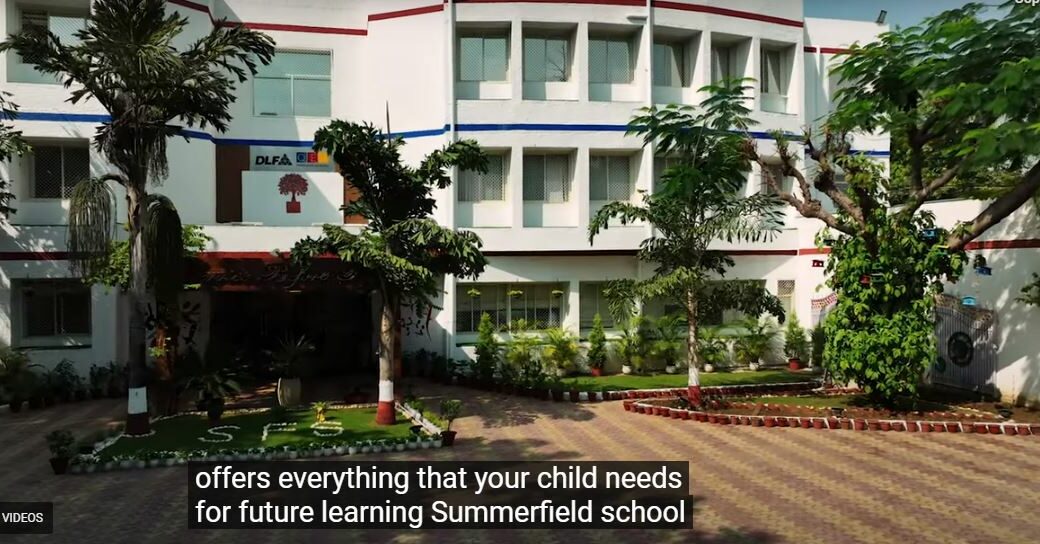
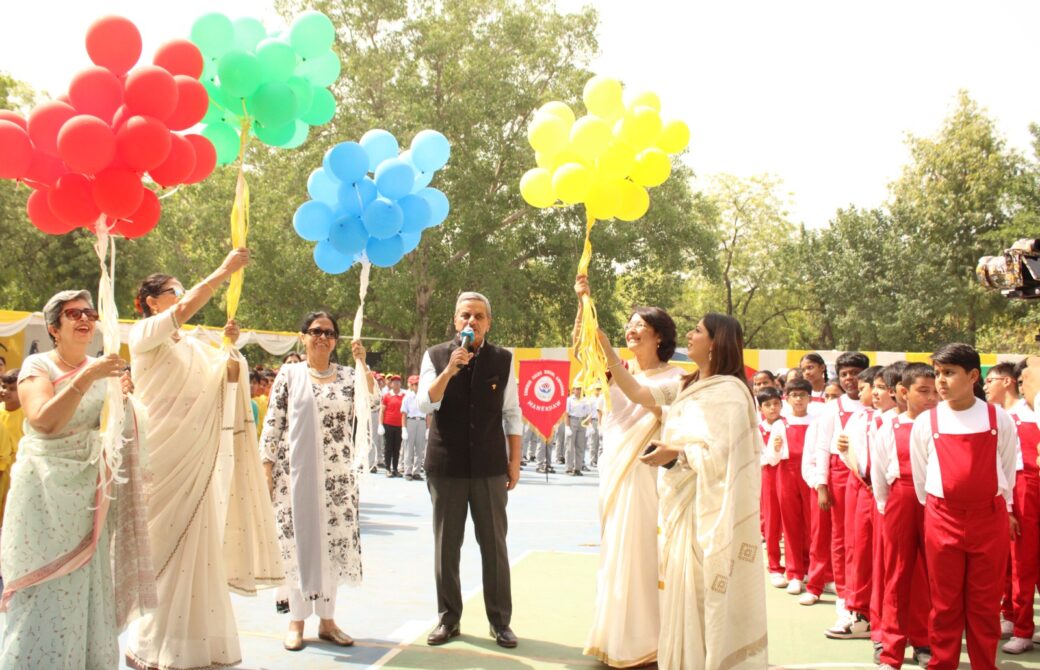
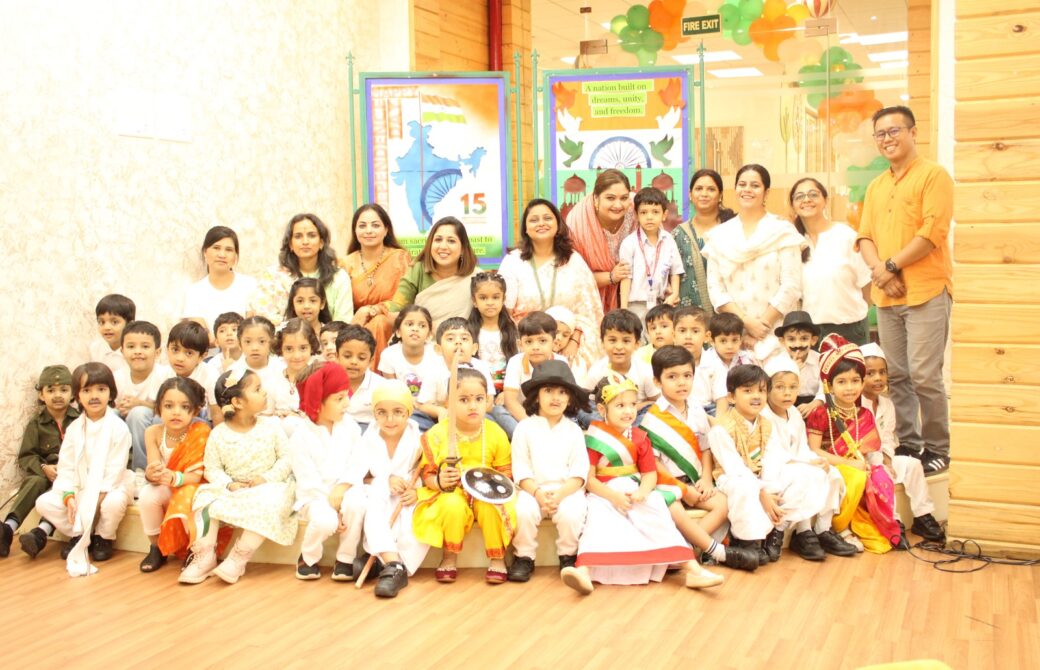
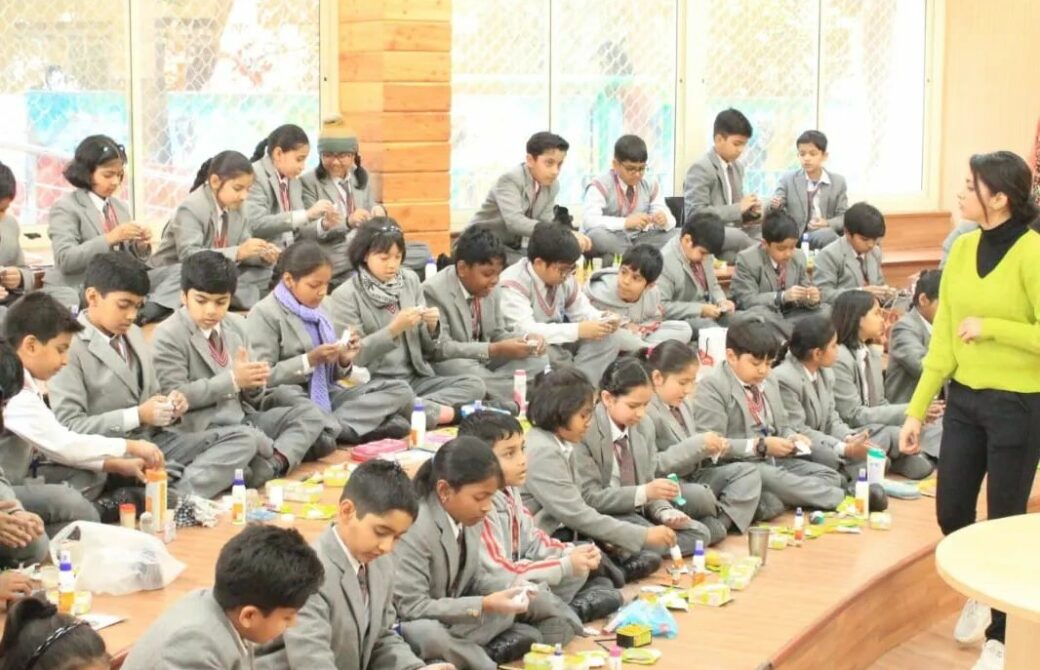
At Summer Fields Gurugram, we recognise that a great school is more than academics: it’s a place where children feel safe, supported, and inspired. Our campus offers airy, child-friendly classrooms, modern science and computer labs, colourful art and activity rooms, a well-stocked library, and ample play areas. Outside the classroom, students take part in club activities spanning arts, drama, dance, environmental awareness, music, sports, science, and cultural expression. Regular events — from annual day celebrations to science fairs, eco-drive campaigns and inter-house cultural nights — foster community, creativity, teamwork and emotional well-being. With caring teachers, personalised attention, and a holistic curriculum, we ensure every child is encouraged to discover their passions, build confidence, and grow academically, socially, and emotionally.
1. Positive Relationships: The Backbone of Quality Learning
A healthy learning environment begins with relationships—between teachers and students, peers, and even parents and educators. Children learn best when they feel cared for, supported, and seen.
1.1 Teachers Who Are More Than Instructors
In a nurturing school ecosystem, educators are guides, mentors, facilitators, and motivators. Their role goes far beyond completing lessons. They:
- Understand each child’s learning pace
- Encourage questions and curiosity
- Listen empathetically to concerns
- Provide constructive, confidence-building feedback
- Celebrate every effort, not just achievement
This kind of encouragement leads to emotional stability, a stronger sense of belonging, and higher motivation to learn.
1.2 Peer Interaction That Builds Social Confidence
A good learning environment ensures that children build meaningful friendships. Interaction in group projects, sports, and everyday classroom activities develops:
- Teamwork skills
- Communication abilities
- Conflict resolution habits
- Leadership qualities
Healthy peer relationships directly impact self-esteem and overall emotional development.
- A Safe, Secure, and Emotionally Supportive Atmosphere
Academic progress means little if a child does not feel safe or emotionally balanced. A truly good learning environment prioritizes:
- Safety inside classrooms and playgrounds
- Zero tolerance for bullying
- Respectful communication
- Mental health support
When children feel safe, they are more willing to take risks, participate actively, and express themselves freely.
2.1 Safe Spaces Equal Better Learning Outcomes
Safety is not just about physical security; emotional safety matters equally. Children must feel that:
- Their opinions matter
- They won’t be judged
- Mistakes are part of learning
This fosters a growth mindset—an essential skill for lifelong learning.
3. Stimulating Classrooms Designed for Exploration and Creativity
The physical environment plays a huge role in shaping learning experiences. Spacious, colourful, and well-organized classrooms encourage children to focus, interact, and enjoy the learning process.
3.1 Thoughtfully Designed Learning Spaces
Top institutions emphasize:
- Child-friendly seating arrangements
- Adequate natural light
- Accessibility to books, learning tools, and models
- Thematic corners like reading nooks or science corners
- Smart boards and digital tools
Such environments spark creativity and curiosity, making learning enjoyable and immersive.
3.2 Blending Traditional and Modern Learning Resources
Today’s classrooms integrate both conventional learning aids and modern technologies. These include:
- Hands-on manipulatives for maths and science
- Activity-based kits
- Digital apps and interactive screens
- Visual aids such as charts, flashcards, and models
This blend caters to diverse learning styles—auditory, visual, and kinesthetic.
4. Well-Structured Academics That Build Strong Foundations
A truly good learning environment always reflects in the way academics are designed and delivered. It is neither too stressful nor too relaxed—it strikes the right balance.
4.1 A Curriculum That Goes Beyond Textbooks
Quality schools implement a curriculum that is:
- Inquiry-driven
- Concept-based
- Real-world oriented
- Skill-development focused
Instead of memorizing facts, children learn to apply knowledge in daily life situations.
4.2 Progressive Pedagogy With Child-Centric Approaches
Effective academic programs include:
- Experiential learning
- Activity-based sessions
- Collaborative projects
- Regular assessments that track understanding, not rote learning
- Integration of STEM, arts, and technology
These methods make learning meaningful and relevant.
5. Co-Scholastic Activities That Support Holistic Growth
A child’s development does not end at academics. A good learning environment ensures that students grow emotionally, socially, physically, and creatively through a wide range of co-scholastic opportunities.
5.1 Sports as a Foundational Building Block
Sports help children learn discipline, endurance, and teamwork. Activities include:
- Football, basketball, cricket
- Athletics
- Yoga and fitness sessions
- Indoor games
These develop physical fitness and resilience.
5.2 Creative Arts That Encourage Self-Expression
Artistic programs include:
- Music and dance
- Theatre and dramatics
- Painting and craft
- Photography or digital art
These activities encourage expression, imagination, and emotional balance.
6. Values, Ethics, and Life Skills as Core Educational Pillars
Academic excellence must go hand in hand with character development. A truly good learning environment nurtures:
- Respect
- Responsibility
- Compassion
- Integrity
- Empathy
Children learn these values through daily routines, classroom interactions, celebrations, and thoughtful school programs.
6.1 Life Skills for the Real World
Modern schools integrate life skills such as:
- Financial literacy basics
- Time management
- Decision-making
- Analytical thinking
- Social etiquette
These skills prepare students for challenges beyond the classroom.
7. Inclusive Education That Supports Every Learner
No two children learn the same way. A great learning environment is inclusive, giving every child—slow learners, quick learners, gifted students, or those needing extra support—the opportunity to grow.
7.1 Individual Guidance and Remediation
Schools that prioritize inclusion ensure:
- One-on-one attention
- Additional academic support
- Differentiated teaching strategies
- Regular parent-teacher interactions
This ensures that no child feels left behind.
7.2 Encouraging High Achievers
Gifted students are supported through:
- Advanced learning modules
- Olympiad training
- Leadership opportunities
- Enrichment programs
This balance ensures holistic growth for all learners.
8. Teachers Who Are Continually Trained and Updated
A learning environment is only as good as the teachers who create it. That’s why top institutions ensure that faculty are constantly trained in:
- New teaching techniques
- Classroom management
- Technology integration
- Child psychology
- NEP-aligned methodologies
A well-trained teacher can transform even the most complex concept into a joyful learning experience.
9. Technology Integration for Future-Ready Learning
In today’s digital world, technology is not a luxury—it is a necessity. A robust learning environment integrates technology in ways that enhance rather than replace classroom teaching.
9.1 Smart Learning Tools
Students benefit from:
- Smart boards
- Digital labs
- E-learning platforms
- Coding and robotics
- Virtual simulations
Technology makes learning interactive and prepares children for technology-driven careers.
10. Parent Involvement That Strengthens Learning Outcomes
Parents are a vital part of the educational ecosystem. Strong school–parent partnerships lead to:
- Better academic performance
- Higher emotional security
- Stronger discipline and focus
- Improved behavioral habits
Schools encourage this through:
- Regular parent-teacher meetings
- Workshops
- Counselling sessions
- Digital communication platforms
When parents and schools work together, children receive consistent guidance.
11. A Culture That Celebrates Curiosity, Not Perfection
The best learning environments encourage children to ask questions, explore new ideas, and experiment with solutions. Instead of perfection, they value:
- Effort
- Creativity
- Originality
- Resilience
This gives children the confidence to take risks without fear of failure.
12. Preparing Children for the Future: Skills for the 21st Century
A good school prepares children not just for exams but for life. This includes skills such as:
- Collaboration
- Communication
- Critical thinking
- Creativity
- Emotional intelligence
- Innovation
These competencies ensure students are ready for future careers and global challenges.
Conclusion:
A genuinely effective learning environment is much more than beautiful classrooms or academic achievements—it is a holistic ecosystem where safety, encouragement, creativity, discipline, and values work together every day. More than anything, it is a place where children feel motivated to explore, empowered to express themselves, and supported in every step of their journey.
For parents searching for schools, the right choice is the one that blends academics with emotional well-being, modern tools with traditional values, and structured learning with joyful exploration. When these elements come together, children grow into learners who are confident, responsible, and ready to embrace the future with curiosity and courage.
FAQs:
Q. 1 What is the most important element of a good learning environment for children?
Ans : A safe, supportive space where kids feel valued and encouraged to explore makes the biggest difference.
Q. 2 How does classroom design impact learning?
Ans : Bright, organized, and interactive spaces keep children engaged and improve focus.
Q. 3 Why is emotional safety important for young learners?
Ans : Emotionally secure children participate more freely and develop stronger confidence.
Q. 4 Do good learning environments include activities beyond academics?
Ans : Absolutely — sports, arts, and hands-on tasks help children develop essential life skills.
Q. 5 How do teachers shape a positive learning environment?
Ans : Empathetic, well-trained teachers create warmth, trust, and meaningful learning experiences.
Q. 6 Are peer interactions important for a healthy learning space?
Ans : Yes, teamwork and friendships help build communication, empathy, and social confidence.