


Introduction:
The academic landscape for children today has transformed dramatically compared to a decade ago. With modern teaching methods, AI-powered learning tools, and multiple national and international competitive exams, students now require preparation that is comprehensive, structured, and future-focused. At Summer Fields School, recognized among the top CBSE schools in Gurgaon, many parents prefer institutions that combine strong academic planning with innovation, emotional guidance, and essential skill development.
Progressive CBSE institutions know that exam preparation goes far beyond completing the syllabus. It is about building strong conceptual clarity, encouraging critical thinking, and developing the right study habits and mindset. This article explores how such schools redefine exam readiness and ensure students grow into confident, capable, and well-rounded learners prepared for every academic challenge ahead.
About Us:
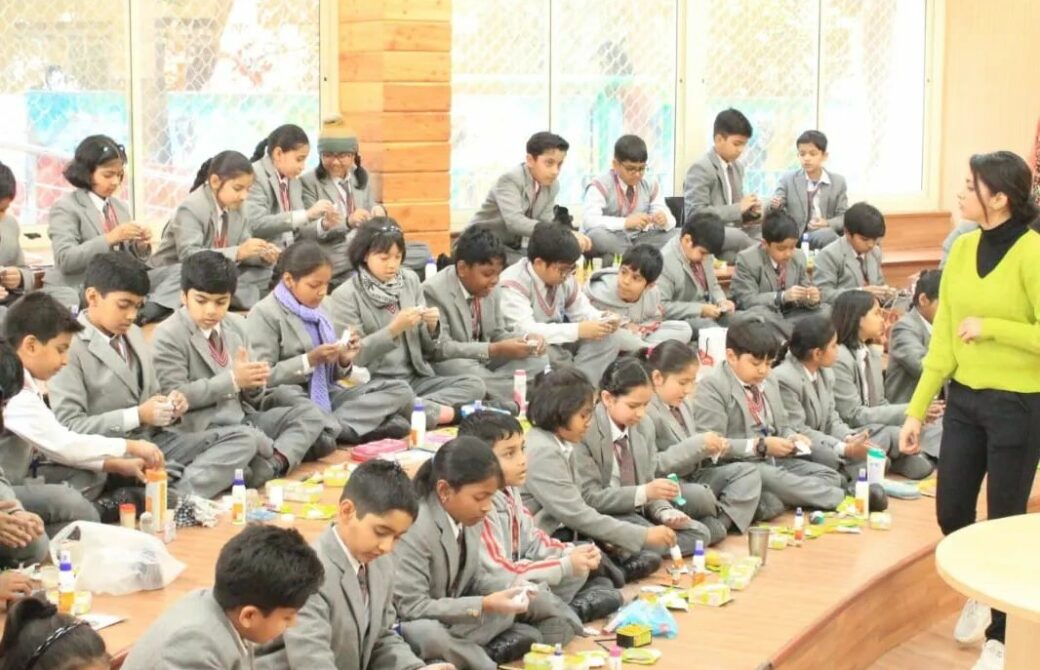
At Summer Fields Gurugram, we go beyond syllabus delivery to prepare learners for future academic challenges and real-world success. Our robust CBSE-based curriculum is complemented with smart classrooms, well-equipped labs, structured revision cycles, mock tests, and mentoring to build conceptual clarity, analytical thinking, and exam readiness. We also encourage holistic development through extracurricular programs — coding clubs, science & robotics projects, creative writing, debating, sports, music, theatre and field trips — helping students build critical thinking, resilience, creativity, and teamwork. Regular seminars, workshops, career-guidance sessions and skill-building camps help children stay future-ready and adaptive. This balanced blend of strong academics, modern pedagogy, extra-scholastic learning and emotional growth ensures our students are well-equipped to excel in higher education and beyond.
1. A Strong Foundation Focused on Conceptual Depth
The cornerstone of future exam success is conceptual clarity. CBSE institutions known for excellence prioritize understanding over memorization.
1.1 A Shift From Rote Learning to Applied Knowledge
Students today must be able to apply concepts in real-life and exam situations. To ensure this, schools focus on:
- Understanding the logic behind every topic
- Breaking down complex ideas into simpler modules
- Encouraging inquiry and curiosity
- Creating learning experiences that connect theory to practice
This approach ensures that students retain concepts longer and can apply them across various academic contexts.
1.2 Regular Reinforcement Through Practice
Concept clarity is strengthened through:
- Chapter-wise exercises
- HOTS questions
- Application-based worksheets
- Real-world case examples
These help students analyze, evaluate, and solve problems more effectively.
2. Structured Academic Planning Aligned With CBSE and Beyond
Preparation for future exams begins with meticulous planning.
2.1 Academic Roadmaps Tailored for Each Grade
Leading CBSE schools create structured academic roadmaps that include:
- Clear learning milestones
- Weekly teaching plans
- Unit-wise outcomes
- Defined assessment patterns
This helps students progress systematically and reduces the academic burden.
2.2 Integrating Competitive Exam Readiness
Future exams such as NTSE, Olympiads, JEE, NEET, CUET, and various scholarship tests require a strong analytical base. Institutions prepare students early by:
- Introducing advanced topics gradually
- Conducting aptitude and logical reasoning sessions
- Offering foundation programs from middle school
This early exposure helps them build confidence and familiarity with national-level exam patterns.
3. Expert Teachers and Continuous Faculty Training
The quality of educators is one of the biggest differentiators between average institutions and those recognized among the cbse schools.
3.1 Subject Experts With Deep Pedagogical Training
Teachers undergo continuous professional development to stay updated with:
- Latest CBSE guidelines
- New question patterns
- Bloom’s taxonomy
- NEP 2020 requirements
- Student psychology and learning styles
This ensures that teaching remains relevant, engaging, and exam-oriented.
3.2 Personalized Mentorship for Students
Subject experts monitor student progress closely and offer:
- Extra support for weaker topics
- Guidance for competitive exams
- Targeted assignments
- Doubt sessions
- Regular performance reviews
This mentorship builds student confidence and academic consistency.
4. Early Introduction to Exam Patterns and Logical Reasoning
Preparing for future exams is not confined to senior classes. Leading institutions gradually introduce students to new exam patterns from early grades.
4.1 Olympiad and Aptitude Exposure
Activities that sharpen analytical thinking include:
- Math, Science, and English Olympiads
- Logical reasoning puzzles
- Coding challenges
- Mental math exercises
These help students develop the cognitive skills required for advanced exams later in life.
4.2 Foundation Courses for Middle and Senior Classes
Structured modules help students prepare for:
- JEE and NEET concepts
- CUET subject foundations
- NTSE and KVPY skill sets
- Competitive scholarship tests
This long-term preparation is what separates high-performing students academically.
5. Technology-Aided Learning and Digital Classrooms
Modern exams increasingly rely on digital platforms, making tech-integrated learning essential.
5.1 Interactive and Immersive Classrooms
Top institutions use:
- Smart boards
- Multimedia modules
- Virtual labs
- Simulation-based learning
- AI-driven concept explainers
Such tools enhance clarity and reduce learning gaps.
5.2 AI-Based Performance Analytics
Advanced learning platforms help track:
- Strengths and weaknesses
- Speed and accuracy
- Question-solving patterns
- Revision requirements
Teachers use this data to personalize support and improve exam readiness.
6. A Multi-Layered Assessment System
Future exam success requires consistent practice and exposure to different assessment formats.
6.1 Weekly, Monthly, and Quarterly Assessments
Continuous assessments help students:
- Stay disciplined
- Revise regularly
- Improve answer presentation
- Build exam stamina
Small, consistent evaluations eliminate fear and boost confidence.
6.2 Mock Tests and Full-Length Practice Papers
Full-scale tests replicate real exam conditions and help students:
- Manage time better
- Understand question patterns
- Improve writing and analytical skills
- Identify areas needing revision
Mock exams are one of the strongest predictors of real exam performance.
7. Personalized Academic Support and Differentiated Learning
Every child learns differently. Leading CBSE institutions build systems that cater to diverse learning needs.
7.1 Remedial Support for Concept Reinforcement
Remedial programs offer:
- Small-group learning
- Step-by-step concept breakdown
- Revision of foundational topics
- Guided practice sessions
Students gain clarity and overcome hesitation regarding difficult subjects.
7.2 Enrichment Sessions for High-Achievers
Gifted learners benefit from:
- Advanced worksheets
- Concept deep-dives
- Speed-building sessions
- Competitive-level practice questions
This ensures every student grows according to their potential.
8. Reading Culture and Research-Based Learning
Future exams demand comprehension, critical thinking, and independent reasoning.
8.1 Developing Strong Reading Habits
Reading programs expose students to:
- Fiction and non-fiction literature
- Informational texts
- Newspaper editorials
- Research material
This strengthens vocabulary, comprehension, and awareness for exams like CUET and board English papers.
8.2 Encouraging Research Skills
Students participate in:
- Case studies
- Experiments
- Project-based assignments
- Group presentations
- Research papers
These activities sharpen analytical and communication skills crucial for higher studies.
9. Building Higher-Order Thinking Skills (HOTS)
Modern CBSE exams now feature a significant percentage of competency-based questions.
9.1 Enhancing Analytical Skills
Students learn to:
- Compare and evaluate information
- Look at problems from multiple angles
- Draw logical conclusions
- Apply knowledge meaningfully
Such skills play a vital role in board exams and competitions.
9.2 Promoting Creativity and Innovation
Activities like design thinking, coding, robotics, and model-making help students:
- Think independently
- Solve complex problems
- Work collaboratively
This prepares them for both academic and real-world challenges.
10. Holistic Development and Emotional Well-Being
Exam readiness is not just academic—it is emotional and psychological.
10.1 Mindfulness and Stress Management Programs
Workshops train students to manage:
- Exam anxiety
- Peer pressure
- Overthinking
- Performance stress
With healthier coping mechanisms, students perform better.
10.2 Balanced Academic Culture
Leading CBSE institutions promote:
- Healthy competition
- Positive reinforcement
- Celebration of achievements
- Time for recreation and hobbies
Balanced development ensures long-term success.
11. Parent Engagement and Transparent Communication
Parents are essential partners in a child’s learning journey.
11.1 Regular PTMs and Performance Discussions
Teachers share:
- Performance insights
- Strengths and improvement areas
- Strategies to support learning at home
This creates a 360-degree support system for the child.
11.2 Workshops for Parents
Parents learn about:
- Modern exam patterns
- Study habits
- Screen-time balance
- Motivational techniques
Parental guidance becomes aligned with institutional expectations.
12. Life Skills That Build Exam Confidence
Strong life skills enhance exam performance significantly.
12.1 Time Management and Planning
Students learn to:
- Create study timetables
- Prioritize tasks
- Maintain discipline
- Avoid procrastination
This builds consistency and focus before exams.
12.2 Effective Communication Skills
Future exams include:
- Viva evaluations
- Interviews
- Presentations
Communication training ensures students express their knowledge confidently.
13. Revision Strategies That Guarantee High Performance
Strong revision cycles are at the heart of exam preparation.
13.1 Multiple Revision Rounds
Schools ensure:
- Subject-wise revisions
- Formula recap sessions
- Quick quizzes
- Collaborative revision groups
These boost retention and confidence.
13.2 Error Analysis and Feedback Loops
Students learn from their mistakes through:
- Detailed feedback
- Concept reinforcement
- Peer-learning sessions
- Corrective practice
This continuous improvement drives higher scores.
Conclusion:
The role of leading CBSE institutions extends far beyond covering the textbook syllabus. They build academic rigor, nurture confidence, promote inquiry, encourage innovation, and equip students with lifelong learning habits. This is why parents shortlisting among the cbse schools often prioritize institutions that offer this well-rounded ecosystem.
Future exams—whether they are boards, Olympiads, or competitive entrance tests—demand a blend of knowledge, logic, and emotional strength. With the right educational environment, students grow into learners who can not only handle exams successfully but thrive in every challenge life presents.
FAQs:
Q. 1 How do top institutions begin exam preparation early?
Ans : They introduce concepts steadily, revise regularly, and follow structured learning schedules all year.
Q. 2 Why are mock tests important for CBSE preparation?
Ans : Mock exams help students understand patterns, improve timing, and reduce exam anxiety.
Q. 3 Do CBSE schools use digital tools for exam prep?
Ans : Yes, many integrate online platforms, practice apps, and smart revision modules.
Q. 4 How do teachers support struggling students during exam season?
Ans : Through personalized doubt sessions, remedial classes, and step-by-step guidance.
Q. 5 What makes exam strategies in leading CBSE institutions effective?
Ans : They combine conceptual learning, practice-based assessments, and stress-management techniques.
Q. 6 Do top schools prepare students for competitive exams as well?
Ans : Many institutions align foundation programs with Olympiads, NTSE, JEE, and NEET readiness.