



Introduction:
In today’s fast-changing world, parents are no longer looking solely for academic excellence when choosing the right school for their child. At Summer Fields School, the Best Schools in Gurugram where while strong academics remain important, a growing number of families are focusing on holistic development — the overall growth of a child in intellectual, emotional, physical, social, and ethical dimensions. Recognizing this shift is vital in understanding what truly distinguishes the schools.
Holistic education prepares children not just for examinations, but for life — equipping them with critical thinking, emotional resilience, values, creativity, and social awareness. Below, we explore the key aspects parents should prioritize when choosing a top-tier school that genuinely fosters holistic development.
About Us:
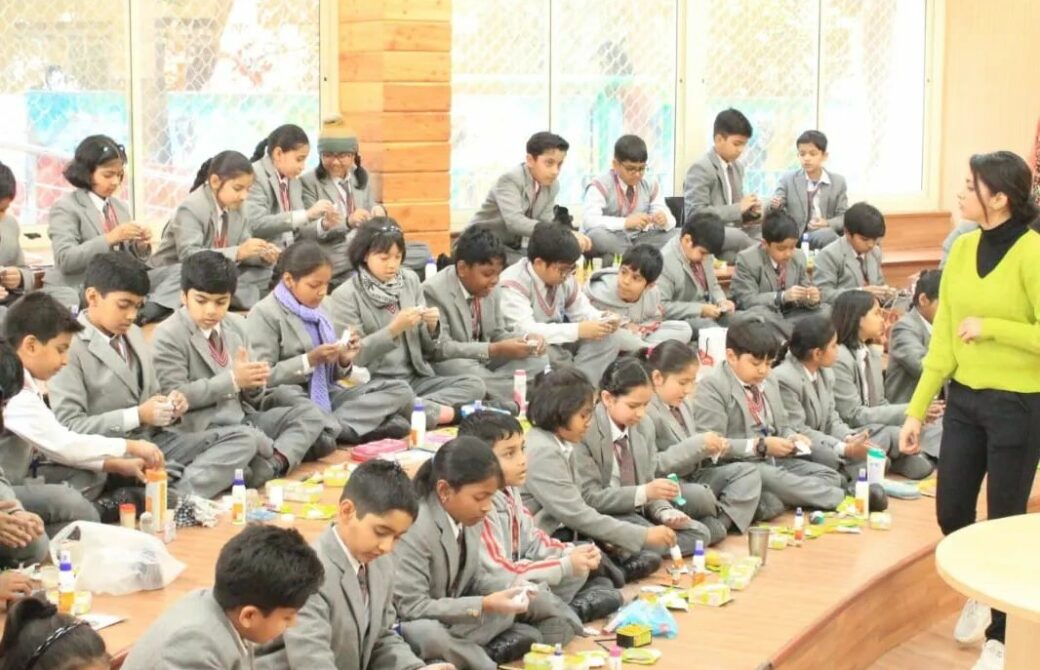
At Summer Fields School, we believe that education is not just about academic results — it’s about nurturing well-rounded individuals. Our approach to holistic development ensures students thrive intellectually, creatively, emotionally, and socially. Alongside a dynamic curriculum, we offer diverse extracurricular activities including music, drama, visual arts, martial arts, and team sports that ignite passion and build character.
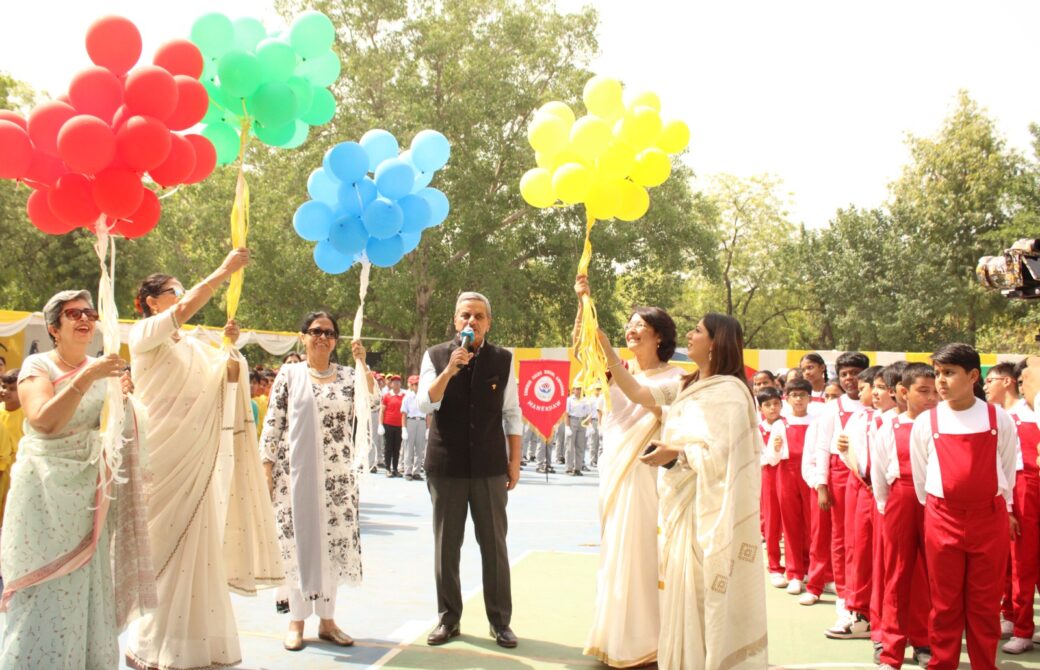
We organize regular inter-house competitions, talent showcases, community outreach programs, and wellness festivals to celebrate every child’s unique strengths. With dedicated mentors and certified coaches, students gain confidence through leadership camps, mindfulness sessions, and life-skills workshops. This balanced environment creates thinkers, innovators, and compassionate citizens.
At the heart of our vision is a commitment to developing future-ready learners who excel academically and flourish personally. We invite parents and students to explore a learning experience that fosters curiosity, resilience, and joy in education.
1. A Balanced and Progressive Curriculum
One of the most important indicators of a quality school is a curriculum that goes beyond rote learning.
- Integrated Learning Approach : Top institutions design syllabi that blend core subjects with interdisciplinary activities. This approach promotes deeper understanding, making learning relevant to real-life situations.
- Emphasis on Life Skills : Life skills such as communication, decision-making, problem-solving, and critical thinking aren’t optional extras — they’re essential. Schools committed to holistic development embed these skills into daily learning.
- Continuous Assessment : Instead of relying only on year-end exams, leading schools use formative assessments to track child progress, focus on strengths, and identify areas for improvement without inducing undue stress.
Key takeaway: Seek out schools that prioritize depth over memorization, and include activities that cultivate lifelong learning habits.
2. Strong Co-Curricular and Extracurricular Ecosystem
A school that only excels academically misses half the picture. Holistic development thrives in environments where co-curricular and extracurricular pursuits are integral.
- Arts and Culture : Participation in music, dance, painting, theatre, and creative writing fosters self-expression, emotional intelligence, and cultural appreciation.
- Sports and Physical Fitness : Regular involvement in sports builds discipline, teamwork, health awareness, stamina, and leadership skills. Look for schools with facilities for athletics, team sports, yoga, and wellness programs.
- Clubs and Societies : Clubs — from science and robotics to debate and environmental action — offer platforms where children discover interests, collaborate with peers, and develop confidence.
- Community Engagement : Service learning and social outreach instill empathy, compassion, and a sense of responsibility toward society — cornerstones of holistic maturity.
Key takeaway: A balanced school day should include academic learning AND structured opportunities for exploration, creativity, and teamwork.
3. A Supportive and Child-Centred Environment
A nurturing atmosphere is one of the defining hallmarks of schools that genuinely care about holistic development.
- Qualified and Caring Educators : Great teachers are not just subject experts — they are mentors who encourage curiosity, inspire confidence, and understand each child’s unique personality.
- Student-Teacher Ratio : Smaller class sizes allow teachers to give personalized attention, monitor individual progress, and tailor instruction to diverse learning styles.
- Emotional Well-Being Support : Mental health is just as important as intellectual growth. Access to trained counsellors, mentorship programs, mindfulness sessions, and peer support systems help children navigate emotions constructively.
- Positive School Culture : Optimistic, inclusive, and respectful environments make students feel safe and motivated. A culture that celebrates effort, diversity, and mutual respect encourages children to take risks and grow.
Key takeaway: Look beyond infrastructure to the human ecosystem — educators, counsellors, and culture — that shapes a child’s daily learning experience.
4. Focus on Values, Ethics, and Character Building
Academic knowledge without character can lead to imbalance. Leading schools imbibe values at every step.
- Principles of Integrity : Integrity and honesty are actively taught through school policies, classroom dialogues, and role modelling.
- Respect and Empathy : Interactives such as collaborative projects, community service, and peer mentoring help children internalize empathy and respect for others.
- Global and Cultural Awareness : In an interconnected world, understanding different cultures and viewpoints prepares children to become global citizens.
- Decision-Making and Ethical Thinking : Structured discussions, real-life scenarios, and reflective sessions guide children in making ethical choices.
Key takeaway: Ethical reasoning and strong values aren’t add-ons; they are woven seamlessly into the ethos of schools that excel in holistic development.
5. Innovative Teaching Methods and Technology Integration
21st-century learners need schools that embrace innovation and use technology intelligently.
- Project-Based and Inquiry-Led Learning : Experiential learning — where students explore, experiment, and create — transforms passive learning into active discovery.
- Smart Classrooms and Digital Tools : Technology should enhance learning, not distract from it. The best institutions use digital tools to promote collaboration, research, and creativity.
- Labs and Maker Spaces : Well-equipped science, design, and makers’ labs encourage experimentation and application of theoretical concepts.
- Adaptive Learning Platforms : Data-driven tools can personalize learning, helping students practice at their own pace and track progress efficiently.
Key takeaway: A school that blends traditional wisdom with modern, interactive methods nurtures adaptable and future-ready learners.
6. Parent-School Partnership and Communication
Holistic development is a shared mission between educators and families.
- Transparent Communication : Regular updates, parent-teacher meetings, progress reports, and interactive portals strengthen trust and clarity.
- Collaborative Workshops : Workshops and seminars for parents on child psychology, digital safety, and learning strategies empower families to support development at home.
- Open Feedback Culture : Parents who feel heard contribute better to their child’s journey. Schools that actively seek feedback continuously improve their practices.
Key takeaway: A connected and communicative relationship between home and school enhances consistency in a child’s growth ecosystem.
7. Safety, Infrastructure, and Well-Being Standards
A child’s holistic development is deeply influenced by their physical environment.
- Safe and Secure Campus : Safety protocols — from secure entry points to trained support staff — ensure peace of mind for parents and freedom of movement for children.
- Functional Facilities : Well-maintained classrooms, activity halls, sports arenas, libraries, art studios — these spaces should be welcoming and conducive to exploration.
- Healthy Nutrition : Balanced meal plans and dietary supervision reflect a school’s commitment to physical well-being.
- Sanitation and Hygiene : Clean and hygienic facilities are non-negotiable for healthy learning environments.
Key takeaway: Physical safety and robust infrastructure create the foundation upon which intellectual and emotional growth can flourish.
8. Assessment That Builds Confidence, Not Anxiety
Top-tier schools evaluate children in ways that inspire growth rather than fear.
- Holistic Report Cards : Beyond grades, assessments include behavioural skills, creativity, participation, and personal progress.
- Constructive Feedback : Feedback that focuses on strengths and offers clear guidance builds self-esteem and motivation.
- Growth Mindset Over Perfection : Encouraging children to learn from mistakes fosters resilience, curiosity, and confidence.
Key takeaway: Evaluation should be a tool for encouragement and growth — not comparison and pressure.
9. Preparing Children for a Global Future
In an era of globalization, top-quality schools equip learners with competencies to thrive in diverse environments.
- Foreign Language Exposure : Language learning broadens communication skills and cultural sensitivity.
- International Collaborations : Exchange programs, global projects, and inter-school partnerships expand horizons beyond local classrooms.
- Career Awareness Initiatives : Workshops, internships, and exposure to emerging fields help children make informed choices about their passions and futures.
Key takeaway: Future-ready schooling goes beyond textbooks — it opens doors to global perspectives and opportunities.
10. Celebrating Diversity and Inclusion
A truly holistic environment respects every child’s individuality.
- Inclusive Policies : Equal opportunities, disability access, anti-bullying initiatives, and respect for diverse backgrounds enrich community life.
- Encouragement for Every Voice : Children should feel safe expressing opinions, exploring identities, and contributing to group dynamics.
- Cultural Festivals and Awareness Days : Celebrating differences fosters respect, unity, and empathy.
Key takeaway: An inclusive school environment builds confident learners who appreciate diversity and contribute meaningfully to society.
Conclusion:
Choosing a school today requires deeper insight than ever before. Parents who seek schools must look beyond academics to identify institutions that propel children toward balanced, meaningful, and well-rounded lives.
Holistic development isn’t a fringe concept — it’s the future of education. It embraces intellectual acuity and emotional strength, physical vitality and ethical grounding, individual growth and community spirit.
By prioritizing the elements outlined above — from progressive curricula, rich extracurriculars, empathetic educators, and character building to safety, innovation, and global readiness — families can make informed choices that empower children to flourish academically and personally.
FAQs:
Q. 1 Why is holistic development important in school education?
Ans : Holistic development ensures children grow academically, emotionally, socially, and physically, preparing them for real-life challenges.
Q. 2 How can parents identify a school that supports all-round growth?
Ans : Look for a balance of academics, sports, arts, life skills, and emotional well-being programs.
Q. 3 Do extracurricular activities really impact learning outcomes?
Ans : Yes, they build confidence, creativity, teamwork, and leadership skills that support academic success.
Q. 4 How does a nurturing environment affect a child’s growth?
Ans : A supportive environment boosts self-esteem, curiosity, and willingness to learn without fear.
Q. 5 Are values and ethics part of holistic education?
Ans : Absolutely—values like empathy, integrity, and responsibility are key pillars of holistic development.
Q. 6 Can holistic education help in future career success?
Ans : Yes, it develops adaptability, communication, and problem-solving skills essential for long-term success.