



Introduction:
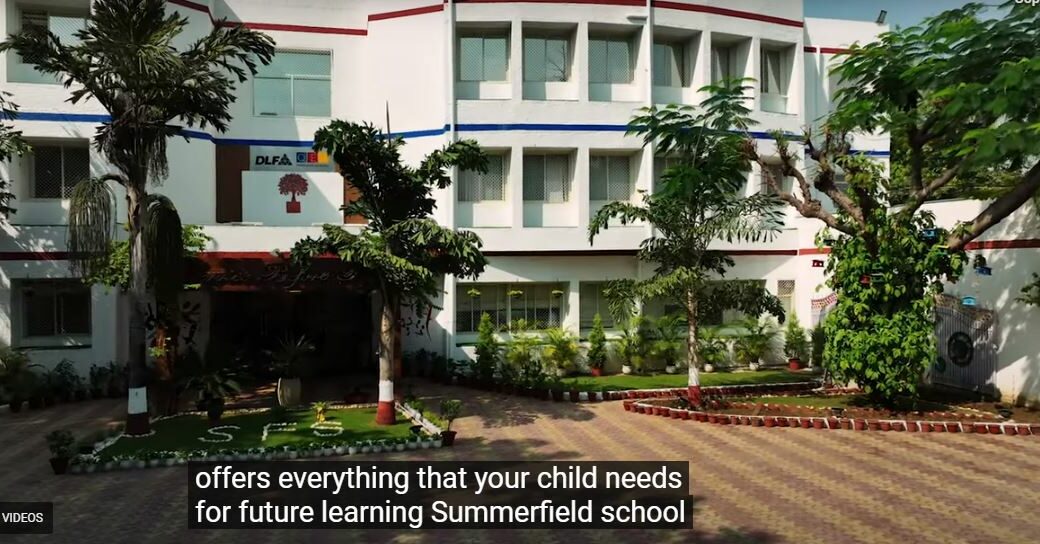
Education today is no longer confined to classrooms, textbooks, and examinations. At Summer Fields School, the Good Schools in Gurgaon where as the world evolves, so do the expectations of parents and students. Families searching for schools are increasingly looking for institutions that go beyond academic performance and focus equally on personal growth, emotional well-being, life skills, and character building.
Top-performing schools are redefining education by creating environments where academic excellence and personal development go hand in hand. They understand that success in the real world requires more than high grades—it demands confidence, adaptability, ethical values, creativity, and strong interpersonal skills. This article explores how leading schools are setting new benchmarks in nurturing both academic achievement and all-round development.
About Us:
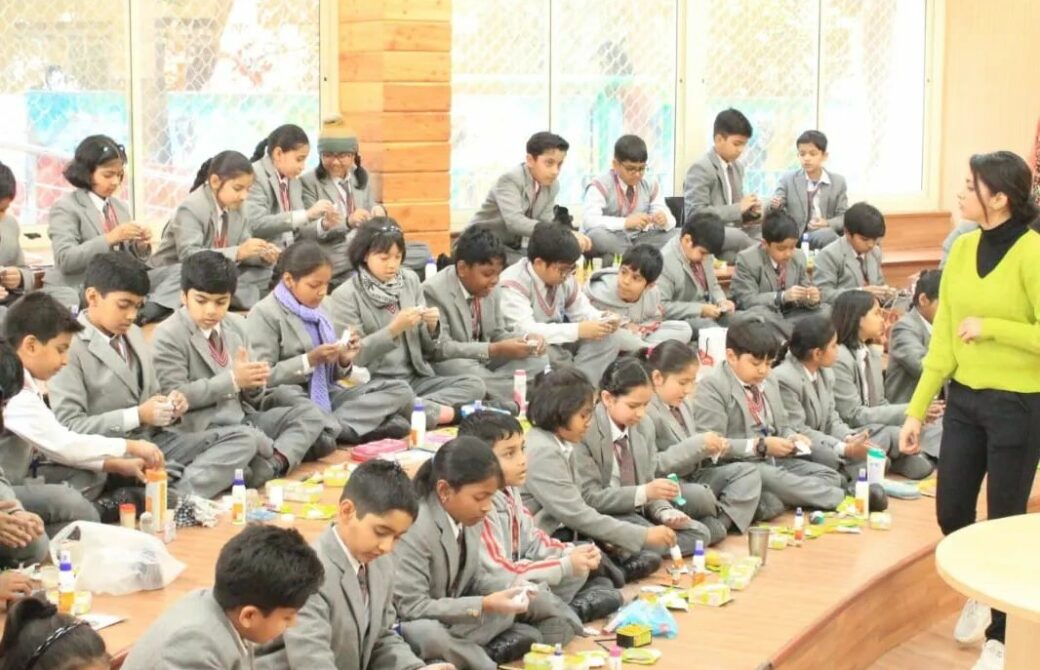
At Summer Fields School, we embrace a holistic education philosophy that integrates strong academic foundations with personal growth and well-being. We believe true success comes from nurturing the whole child — academically, socially, emotionally, and physically. Our carefully curated curriculum is complemented by vibrant extracurricular activities including sports, dance, music, theatre, and creative clubs that encourage exploration and self-expression.
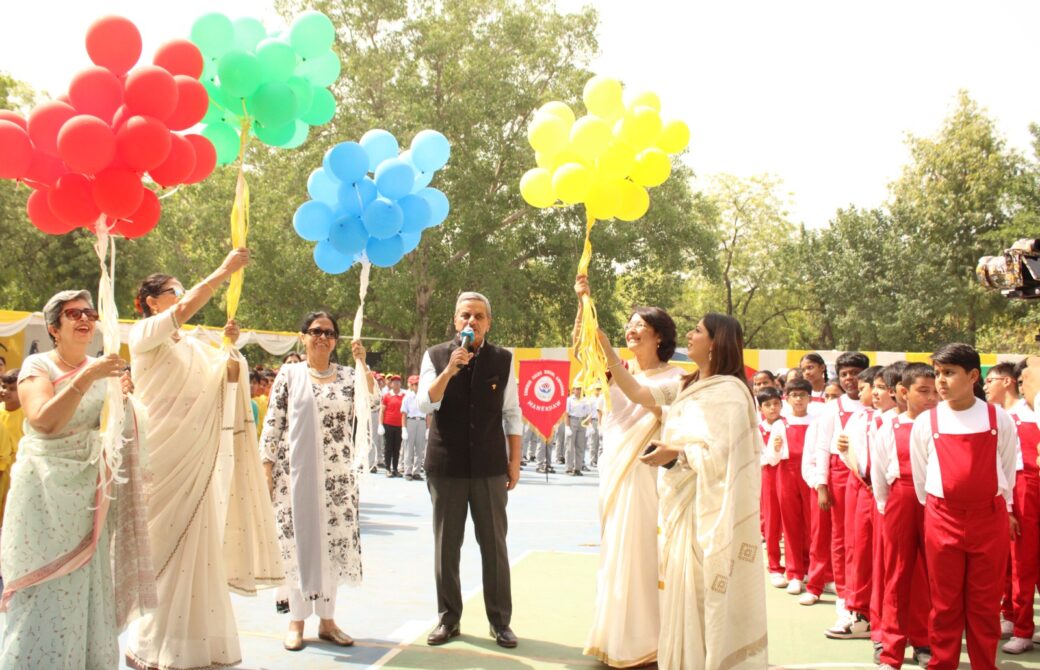
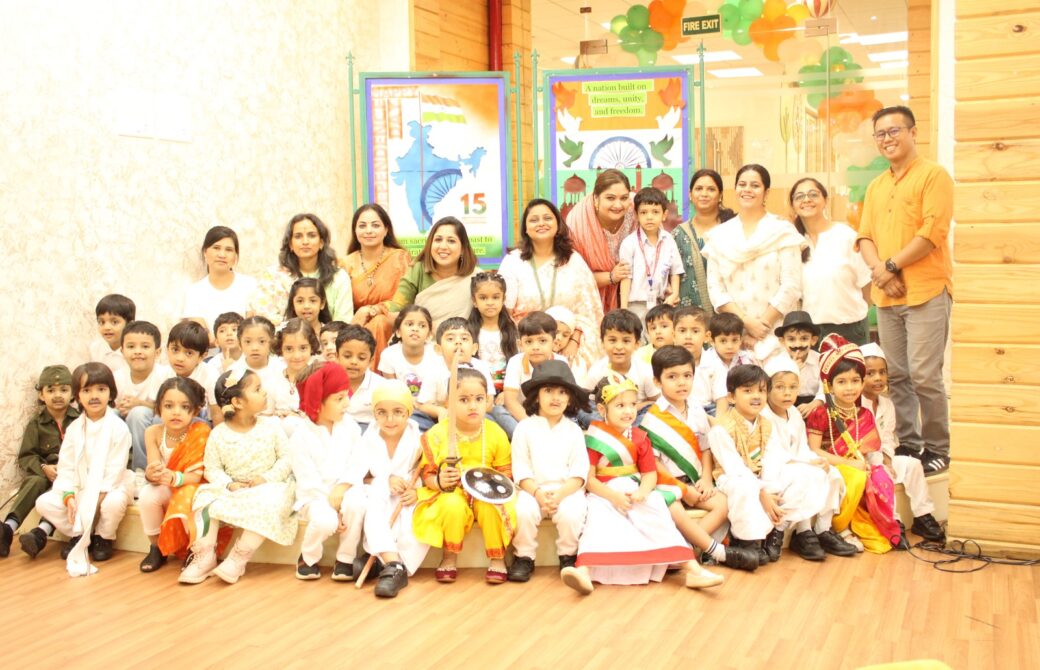
We host enriching events such as Annual Day, Inter-School Challenges, Wellness Workshops, and Leadership Seminars that help students build confidence and life skills. Our experienced faculty fosters a supportive environment where every student feels valued and motivated to achieve their best.
Beyond academics, we champion character development, resilience, teamwork, and digital fluency to prepare students for life beyond the classroom. With a focus on meaningful engagement and real-world readiness, we guide young learners to become confident, creative, and compassionate individuals.
1. Redefining Academic Excellence for the Modern Age
Academic success remains a core pillar of quality education, but its definition has expanded significantly.
- From Rote Learning to Conceptual Mastery : Top schools focus on helping students understand concepts deeply rather than memorizing information. Lessons are designed to encourage questioning, reasoning, and application, ensuring that learning is meaningful and long-lasting.
- Interdisciplinary Learning : Subjects are increasingly interconnected. Mathematics blends with technology, science with real-world problem-solving, and humanities with critical analysis. This approach helps students see knowledge as a unified whole rather than isolated topics.
- Continuous Assessment Models : Instead of relying solely on final examinations, leading institutions use a combination of projects, presentations, assignments, and class participation to evaluate progress. This reduces pressure while offering a more accurate picture of a student’s abilities.
Why it matters: Strong conceptual foundations prepare students for higher education and future careers that demand analytical thinking and adaptability.
2. Personalized Learning Pathways
One of the defining traits of top schools is their ability to recognize that every child learns differently.
- Individual Attention : Smaller class sizes and structured mentoring allow educators to understand each learner’s strengths, challenges, and interests.
- Adaptive Teaching Strategies : Teachers use varied instructional methods—visual, auditory, experiential, and collaborative—to cater to diverse learning styles.
- Academic Support and Enrichment : Students who need additional support receive targeted guidance, while high-achievers are challenged through advanced projects and enrichment programs.
Why it matters: Personalization ensures that no child feels left behind or unchallenged, fostering confidence and self-belief.
3. Integrating Personal Development into Daily Learning
What truly distinguishes the schools is how seamlessly they integrate personal development into academics.
- Life Skills Education : Skills such as communication, decision-making, problem-solving, time management, and collaboration are embedded into classroom activities and projects.
- Emotional Intelligence and Self-Awareness : Through discussions, reflective exercises, and guided interactions, students learn to understand their emotions and respond constructively to challenges.
- Confidence Building : Opportunities to present ideas, participate in debates, and lead group activities help students develop self-assurance and a strong sense of identity.
Why it matters: Personal development equips students to handle real-life situations with maturity and resilience.
4. Strong Focus on Co-Curricular and Extracurricular Programs
Academic learning is only one part of a child’s growth journey.
- Arts and Creative Expression : Music, dance, theatre, visual arts, and creative writing provide platforms for self-expression, imagination, and emotional growth.
- Sports and Physical Education : Regular sports activities promote physical fitness, discipline, teamwork, leadership, and perseverance. Many top schools emphasize both individual and team sports.
- Clubs and Special Interest Groups : Science clubs, coding groups, debate teams, environment clubs, and social service initiatives allow students to explore passions beyond the curriculum.
Why it matters: Co-curricular engagement nurtures talents, reduces stress, and contributes significantly to holistic development.
5. Values, Ethics, and Character Building
Academic excellence without strong values is incomplete.
- Value-Based Education : Leading schools consciously instill values such as honesty, empathy, respect, responsibility, and integrity through daily practices and structured programs.
- Social Responsibility : Community outreach, environmental initiatives, and service-learning projects help students develop compassion and civic awareness.
- Ethical Decision-Making : Students are encouraged to think critically about right and wrong, helping them develop moral judgment and accountability.
Why it matters: Character education shapes responsible citizens and ethical leaders for the future.
6. Role of Skilled and Committed Educators
Teachers play a central role in balancing academic and personal development.
- Continuous Professional Development : Top schools invest in ongoing teacher training to ensure educators stay updated with modern teaching practices and child psychology.
- Mentorship-Oriented Approach : Teachers act as mentors and guides, offering emotional support alongside academic instruction.
- Positive Classroom Relationships : A respectful and supportive teacher-student relationship fosters trust, motivation, and active participation.
Why it matters: Inspired teachers create learning environments where students feel encouraged to explore and grow.
7. Safe, Inclusive, and Nurturing Learning Environment
Students thrive best in environments where they feel secure and valued.
- Physical Safety and Well-Being : Robust safety measures, trained staff, and clear protocols ensure a secure campus environment.
- Emotional Safety : Anti-bullying policies, counselling services, and peer support systems promote emotional health and well-being.
- Inclusive Culture : Diversity is respected and celebrated, ensuring that every child feels accepted regardless of background or ability.
Why it matters: A nurturing environment supports confidence, self-expression, and academic focus.
8. Smart Use of Technology in Education
Technology has become an essential educational tool when used thoughtfully.
- Digital Learning Tools : Smart classrooms, online resources, and interactive platforms enhance engagement and understanding.
- Research and Innovation Skills : Students are encouraged to use technology for research, collaboration, and creative problem-solving rather than passive consumption.
- Balanced Screen Time : Leading schools ensure that technology complements traditional learning without overwhelming students.
Why it matters: Digital literacy is crucial for success in higher education and modern careers.
9. Preparing Students for Future Careers and Global Exposure
Top schools focus on long-term readiness, not just immediate academic outcomes.
- Skill Development for the Future : Critical thinking, creativity, collaboration, communication, and adaptability are core competencies emphasized across subjects.
- Career Awareness Programs : Workshops, career talks, aptitude assessments, and exposure to emerging fields help students make informed choices.
- Global Perspective : Cultural exchanges, global projects, and international awareness programs broaden horizons and encourage open-mindedness.
Why it matters: Future-ready education helps students navigate an ever-changing global landscape confidently.
10. Meaningful Parent-School Collaboration
Academic and personal development flourish when schools and families work together.
- Transparent Communication : Regular updates, progress discussions, and open channels keep parents informed and involved.
- Parent Engagement Initiatives : Workshops and interactive sessions help parents understand modern teaching methods and child development needs.
- Shared Growth Responsibility : When parents and educators collaborate, children benefit from consistent guidance and support.
Why it matters: Strong partnerships create a stable ecosystem for student success.
11. Assessment Systems That Encourage Growth
Modern assessment methods focus on progress rather than pressure.
- Holistic Evaluation : Academic results are complemented by feedback on behaviour, creativity, effort, and participation.
- Constructive Feedback : Students receive actionable insights that help them improve without fear of failure.
- Growth Mindset Culture : Mistakes are treated as learning opportunities, fostering resilience and self-confidence.
Why it matters: Growth-oriented assessment builds motivation and lifelong learning habits.
12. Continuous Improvement and Adaptability
What keeps top schools ahead is their willingness to evolve.
- Curriculum Review and Innovation : Regular updates ensure alignment with current knowledge and future requirements.
- Feedback-Driven Growth : Inputs from students, parents, and teachers help refine policies and practices.
- Resilience in Change : Adaptability during challenges ensures learning continuity and student well-being.
Why it matters: Continuous improvement sustains quality and relevance in a competitive education sector.
Conclusion:
The schools that truly stand out are those that view education as a journey of transformation rather than a race for grades. By combining academic rigor with personal development, emotional well-being, values, and future readiness, they prepare students not just to succeed in exams, but to thrive in life.
Top schools lead by:
- Building strong academic foundations
- Encouraging individuality and confidence
- Nurturing ethics, empathy, and resilience
- Preparing learners for a dynamic global future
For parents seeking an environment that supports both scholastic success and holistic growth, such institutions represent the gold standard in modern education.
FAQs:
Q. 1 How do top schools balance academics and personal growth?
Ans : They integrate life skills, emotional learning, and co-curricular activities with academics.
Q. 2 Why is personal development essential for students?
Ans : It builds confidence, resilience, and social skills needed for success beyond exams.
Q. 3 Do teaching methods affect personal development?
Ans : Yes, interactive and student-centred teaching encourages independence and critical thinking.
Q. 4 How do schools support students emotionally?
Ans : Through counselling, mentorship programs, and a positive, inclusive school culture.
Q. 5 Can personal development improve academic performance?
Ans : Absolutely—confident, emotionally balanced students perform better academically.
Q. 6 What role do teachers play in all-round development?
Ans : Teachers act as mentors, guiding students academically and emotionally.